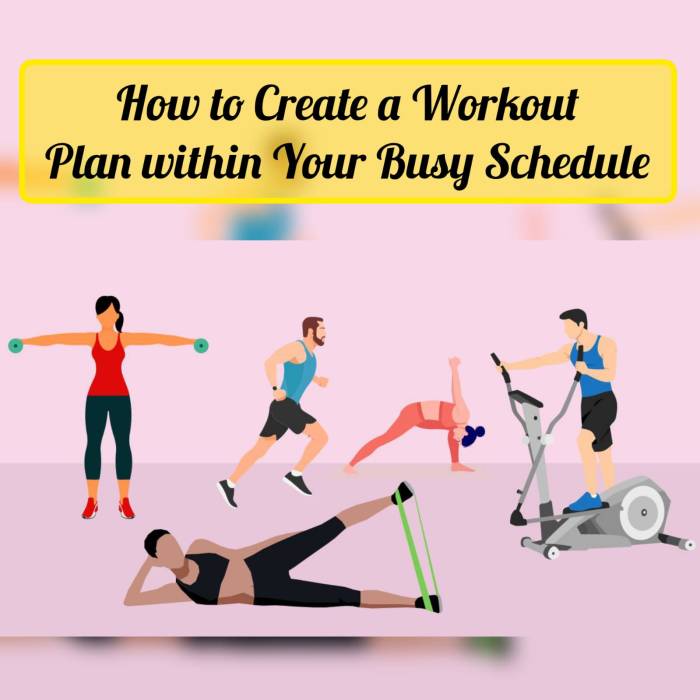
How to maintain regular exercise with a busy schedule: In today’s fast-paced world, finding time for exercise can be challenging. But fear not, as we delve into strategies that will help you stay active and healthy, even with a hectic lifestyle.
From incorporating quick workouts to managing stress effectively, this guide will equip you with practical tips to prioritize your health amidst a busy schedule.
Balanced Diet
Maintaining a balanced diet is crucial for overall health and well-being, especially when sticking to a regular exercise routine. Here are some strategies to help you incorporate nutrient-rich foods into your busy schedule and make healthy eating a priority.
Incorporating Nutrient-Rich Foods
When time is limited, focus on nutrient-dense foods that provide essential vitamins and minerals. Opt for whole grains, lean proteins, fruits, and vegetables to fuel your body efficiently.
- Prepare simple meals with a balance of carbohydrates, proteins, and fats to support your energy levels throughout the day.
- Include a variety of colorful fruits and vegetables to ensure you are getting a range of vitamins and antioxidants.
- Swap processed snacks for healthier alternatives like nuts, seeds, yogurt, or fresh fruit to keep you satisfied between meals.
Importance of Meal Prepping
Meal prepping can save you time and ensure you have nutritious meals readily available, even on your busiest days.
- Choose a day of the week to plan and prepare your meals in advance, such as cooking a batch of grains, proteins, and chopping vegetables for quick and easy assembly.
- Invest in quality food storage containers to portion out your meals and snacks for grab-and-go convenience.
- Label and organize your meals in the fridge or freezer to streamline your eating routine and prevent unhealthy food choices out of convenience.
Choosing Healthy Snacks
Snacking mindfully can help maintain your energy levels and prevent overeating during meals. Opt for nutrient-rich snacks that satisfy your cravings without derailing your healthy eating habits.
- Keep a stash of pre-portioned snacks like mixed nuts, homemade granola bars, or cut-up veggies and hummus for quick and nutritious options.
- Avoid sugary and processed snacks by opting for whole foods like Greek yogurt with berries, rice cakes with nut butter, or air-popped popcorn seasoned with herbs.
- Stay hydrated throughout the day with water, herbal teas, or infused water to curb cravings and support your body’s functions.
Mental Wellness
Regular exercise plays a crucial role in maintaining mental well-being. Physical activity has been linked to the release of endorphins, which are chemicals in the brain that act as natural painkillers and mood elevators. This can help reduce feelings of stress, anxiety, and depression, ultimately improving overall mental health.
Mindfulness Techniques
Integrating mindfulness techniques into a busy lifestyle can help promote mental wellness. Mindfulness involves focusing on the present moment without judgment, which can help reduce negative thought patterns and increase self-awareness. Simple practices such as deep breathing exercises, meditation, or mindful walking can be incorporated into daily routines to manage stress and improve mental clarity.
Benefits of Relaxation and Stress Management
Setting aside time for relaxation and stress management practices is essential for overall well-being. Engaging in activities like yoga, tai chi, or progressive muscle relaxation can help reduce tension in the body and calm the mind. Taking breaks throughout the day, practicing gratitude, or journaling can also be beneficial in managing stress levels and promoting a sense of peace and balance in a busy schedule.
Physical Fitness: How To Maintain Regular Exercise With A Busy Schedule
Regular physical activity is essential for maintaining overall health and well-being, even with a busy schedule. It not only helps in improving physical strength and endurance but also has numerous mental health benefits.
Quick and Effective Workouts
For busy individuals, incorporating quick and effective workouts into their routine can make a significant difference. Some examples include:
- High-Intensity Interval Training (HIIT): Short bursts of intense exercise followed by brief rest periods.
- Bodyweight Exercises: Squats, lunges, push-ups, and planks can be done anywhere without the need for equipment.
- Circuit Training: Moving quickly from one exercise to another with minimal rest in between.
Significance of Consistency
Consistency in physical activity is crucial for overall health as it helps in maintaining a healthy weight, improving cardiovascular health, and reducing the risk of chronic diseases. Regular exercise also boosts mood and reduces stress levels.
Finding Motivation
Finding motivation to exercise regularly can be challenging, especially with a hectic schedule. Some tips to stay motivated include:
- Setting specific and achievable goals.
- Finding a workout buddy for accountability.
- Varying workouts to prevent boredom.
- Scheduling exercise like any other important appointment.
- Rewarding yourself for meeting fitness milestones.
Adequate Hydration
To maintain optimal physical performance, adequate hydration is essential. Staying hydrated helps regulate body temperature, improve cardiovascular function, and transport nutrients efficiently throughout the body.
Importance of Drinking Water Throughout the Day
- Start your day with a glass of water to kickstart your hydration.
- Carry a reusable water bottle with you to ensure easy access to water at all times.
- Set reminders on your phone or computer to drink water regularly throughout the day.
- Opt for water-rich foods like fruits and vegetables to increase your fluid intake.
Creative Ways to Stay Hydrated
- Infuse your water with fruits, herbs, or cucumbers for added flavor.
- Drink herbal teas or sparkling water as alternatives to plain water.
- Eat water-rich snacks like watermelon or cucumber slices to stay hydrated on the go.
- Track your daily water intake using apps or journals to ensure you are meeting your hydration goals.
Regular Exercise
Regular exercise is crucial for overall health and well-being, especially when balancing a busy schedule. Making exercise a priority in a busy lifestyle offers numerous benefits, including increased energy levels, improved mood, better sleep quality, and enhanced physical fitness. It also helps reduce stress, boost productivity, and prevent chronic diseases.
Incorporating Small Bursts of Activity
To maintain regular exercise with a busy schedule, consider incorporating small bursts of activity throughout the day. This can include taking short walks during breaks at work, using the stairs instead of the elevator, doing quick bodyweight exercises like squats or lunges, or even stretching at your desk.
These small activities add up and contribute to your overall physical activity levels.
- Take a 10-minute walk during your lunch break.
- Do 5 minutes of stretching in the morning and before bed.
- Use a standing desk or take standing breaks every hour.
- Do 10 push-ups or sit-ups before showering.
Examples of Exercises in Limited Timeframes
When time is limited, focus on exercises that provide maximum benefits in a short amount of time. High-intensity interval training (HIIT) workouts, Tabata exercises, and circuit training are all great options for quick and effective workouts. These exercises help improve cardiovascular fitness, strength, and endurance in a short period.
- Tabata: 20 seconds of high-intensity exercise (e.g., jumping jacks) followed by 10 seconds of rest, repeated 8 times.
- Circuit Training: Perform a series of exercises (e.g., squats, push-ups, planks) back-to-back with minimal rest in between.
- HIIT Workout: Alternate between short bursts of intense exercise and brief rest periods to elevate heart rate and burn calories efficiently.
Healthy Lifestyle
Maintaining a healthy lifestyle goes beyond just physical fitness and nutrition. It involves a holistic approach that considers all aspects of well-being, including mental health, social connections, and stress management.
Impact of Lifestyle Choices
Our lifestyle choices have a significant impact on our overall well-being. Factors such as diet, exercise, sleep patterns, and stress levels can affect our physical health, mental wellness, and emotional stability. Making informed choices in these areas can lead to a healthier and more fulfilling life.
Finding Balance
Finding balance in work, exercise, and personal time is crucial for maintaining a healthy lifestyle. It is important to prioritize self-care and relaxation, along with professional responsibilities and fitness routines. By setting boundaries, managing time effectively, and prioritizing activities that bring joy and fulfillment, it is possible to find a healthy balance that promotes overall well-being.
Nutrient-Rich
Consuming foods rich in essential nutrients is vital for maintaining overall health and well-being. These nutrients play a crucial role in supporting various bodily functions and processes, ensuring that our bodies are able to function optimally.
Importance of Vitamins and Minerals
Vitamins and minerals are essential micronutrients that are needed in small amounts but have a big impact on our health. They help support our immune system, promote healthy skin and hair, aid in proper digestion, and contribute to overall energy levels.
Without an adequate intake of vitamins and minerals, we may be at risk of nutrient deficiencies that can lead to various health issues.
- Leafy green vegetables such as spinach and kale are rich in vitamins A, C, and K, as well as minerals like iron and calcium.
- Fatty fish like salmon and mackerel are excellent sources of omega-3 fatty acids, vitamin D, and various minerals that support heart health and brain function.
- Nuts and seeds, such as almonds, chia seeds, and flaxseeds, are packed with essential nutrients like vitamin E, magnesium, and zinc, which are important for immune function and overall well-being.
Stress Management
Managing stress is crucial for maintaining overall well-being. Stress can have detrimental effects on both physical and mental health, leading to issues such as high blood pressure, anxiety, depression, and even heart disease.
Effective Stress Management Techniques
- Practice Mindfulness: Engage in activities that keep you present in the moment, such as meditation or deep breathing exercises.
- Exercise Regularly: Physical activity releases endorphins that help reduce stress levels and improve mood.
- Set Boundaries: Learn to say no to tasks or commitments that add unnecessary stress to your life.
- Get Adequate Sleep: Prioritize a good night’s rest to help your body and mind recover from daily stressors.
- Seek Support: Talk to friends, family, or a therapist to express your feelings and gain perspective on stressful situations.
Creating a Stress-Free Environment
- Organize Your Space: A clutter-free environment can help clear your mind and reduce feelings of overwhelm.
- Establish Routine: Having a structured daily routine can provide a sense of control and stability amidst chaotic schedules.
- Take Breaks: Allow yourself short breaks throughout the day to relax and recharge, even during busy work hours.
- Practice Self-Care: Engage in activities you enjoy, whether it’s reading a book, taking a bath, or going for a walk.
Preventive Care
Regular exercise and a balanced diet are key components of a healthy lifestyle, but preventive care plays a crucial role in maintaining overall well-being. Preventive healthcare measures are essential in detecting and addressing potential health issues before they escalate, ultimately saving time, money, and even lives.
Importance of Regular Check-ups and Screenings
Regular check-ups and screenings are vital for early detection of any underlying health conditions. By scheduling routine visits to healthcare professionals, individuals can identify potential risks and take necessary actions to prevent serious illnesses. Screenings such as blood tests, mammograms, colonoscopies, and vaccinations are effective tools in ensuring optimal health outcomes.
- Annual physical exams can help monitor overall health status and identify any abnormalities.
- Regular blood pressure and cholesterol screenings can prevent cardiovascular diseases.
- Screenings for cancer, such as mammograms and colonoscopies, are crucial for early detection and treatment.
- Immunizations protect against infectious diseases and promote community health.
Tips for Staying Proactive about Health
Despite a busy schedule, it is essential to prioritize preventive care to maintain optimal health and well-being. Here are some tips to stay proactive about health:
- Schedule regular check-ups in advance and mark them on your calendar to ensure you do not miss appointments.
- Utilize telehealth services for virtual consultations and follow-ups with healthcare providers.
- Keep a health journal to track symptoms, medications, and appointments for better health management.
- Stay informed about preventive care guidelines and recommended screenings based on age, gender, and family history.
- Engage in open communication with healthcare providers and discuss any concerns or changes in health status promptly.
Proper Nutrition
Proper nutrition plays a crucial role in supporting overall health and fitness goals. By fueling our bodies with the right nutrients, we can optimize our energy levels, improve our exercise performance, and enhance our overall well-being.
Meal Planning and Healthy Choices
When it comes to meal planning, it’s essential to focus on incorporating a variety of nutrient-rich foods into your diet. Aim for a balance of carbohydrates, proteins, healthy fats, vitamins, and minerals to support your active lifestyle. Make sure to include plenty of fruits, vegetables, whole grains, lean proteins, and healthy fats in your meals.
- Start by planning your meals ahead of time to ensure you have nutritious options readily available.
- Avoid processed foods and opt for whole, unprocessed foods whenever possible.
- Read food labels to make informed choices about the nutritional content of the products you consume.
- Stay hydrated by drinking an adequate amount of water throughout the day.
- Aim for portion control to prevent overeating and maintain a healthy weight.
Balanced Meals for an Active Lifestyle
Creating balanced meals that support an active lifestyle is key to maximizing your performance and recovery. Here are some examples of meals that can fuel your body effectively:
| Breakfast: | Whole grain oatmeal topped with fresh berries and nuts, paired with a side of Greek yogurt. |
|---|---|
| Lunch: | Grilled chicken salad with mixed greens, avocado, cherry tomatoes, and a drizzle of olive oil and balsamic vinegar. |
| Dinner: | Baked salmon with quinoa and roasted vegetables, such as broccoli, bell peppers, and carrots. |
| Snacks: | Apple slices with almond butter, carrot sticks with hummus, or a handful of mixed nuts and seeds. |
Quality Sleep
Quality sleep is essential for overall well-being and plays a crucial role in the body’s recovery process. It is during sleep that our bodies repair and rejuvenate, allowing us to wake up feeling refreshed and ready to tackle the day ahead.
The Importance of Quality Sleep
Quality sleep is vital for various aspects of our health, including cognitive function, emotional well-being, and physical performance. Lack of adequate sleep can lead to fatigue, poor concentration, mood swings, and even weaken the immune system. It also affects our ability to regulate stress and manage weight effectively.
Tips for Creating a Sleep-Friendly Environment
- Avoid electronic devices before bedtime, as the blue light emitted can disrupt melatonin production.
- Keep your bedroom cool, dark, and quiet to promote a restful sleep environment.
- Establish a consistent sleep schedule by going to bed and waking up at the same time every day.
- Invest in a comfortable mattress and pillows to support a good night’s sleep.
Impact of Sleep on Exercise Performance and Productivity
Sleep plays a significant role in exercise performance and daily productivity. Getting enough quality sleep can improve reaction time, coordination, and overall physical performance. It also aids in muscle recovery and growth, making it essential for those engaging in regular exercise routines.
Additionally, adequate sleep enhances cognitive function, memory consolidation, and decision-making skills, leading to increased daily productivity and overall well-being.
Cardio Health
Regular cardiovascular exercise is essential for maintaining a healthy heart. It helps improve circulation, lower blood pressure, reduce the risk of heart disease, and boost overall cardiovascular fitness.
Benefits of Cardiovascular Exercise
- Improves heart health by strengthening the heart muscle.
- Enhances circulation and oxygen delivery throughout the body.
- Helps lower cholesterol levels and reduce the risk of plaque buildup in the arteries.
- Aids in weight management and promotes overall well-being.
Examples of Cardio Workouts
- Brisk walking or jogging during lunch breaks.
- Jump rope sessions for 10-15 minutes in the morning or evening.
- Cycling to work or using a stationary bike while watching TV.
- Dancing to your favorite music for at least 30 minutes a day.
Tips for Monitoring and Improving Cardiovascular Fitness
- Monitor your heart rate during exercise to ensure you are within the target zone for your age and fitness level.
- Gradually increase the intensity and duration of your workouts to challenge your cardiovascular system.
- Incorporate interval training to improve cardiovascular endurance and burn more calories.
- Stay consistent with your cardio routine to see long-term benefits for your heart health.
Immune Boost
Regular exercise and a balanced diet play crucial roles in supporting immune function. Physical activity helps to boost the immune system by promoting good circulation, which allows immune cells to move through the body more efficiently. Additionally, exercise can help reduce inflammation and improve immune regulation.
A balanced diet rich in nutrients like vitamins C and E, zinc, and antioxidants also plays a key role in supporting immune health by providing the necessary building blocks for immune cells to function optimally.
Tips for Boosting Immunity Through Lifestyle Choices
- Aim for a diverse and nutrient-rich diet consisting of fruits, vegetables, whole grains, lean proteins, and healthy fats to ensure you are getting essential vitamins and minerals that support immune function.
- Stay hydrated by drinking an adequate amount of water throughout the day to help flush out toxins and support overall immune health.
- Get regular exercise to boost circulation, reduce inflammation, and enhance immune regulation.
- Practice stress management techniques such as yoga, meditation, or deep breathing exercises to lower stress levels, as chronic stress can weaken the immune system.
Relationship Between Physical Activity and Immune Health
Regular physical activity has been shown to have numerous benefits for immune health. Exercise can help improve immune surveillance, which is the body’s ability to detect and respond to pathogens. It can also enhance the production of antibodies and white blood cells, which are essential components of the immune system.
However, it is important to note that excessive exercise or overtraining can have the opposite effect and suppress immune function, so it’s essential to find a balance and listen to your body’s signals.
Positive Mindset
Maintaining a positive mindset is crucial when it comes to staying consistent with exercise, especially with a busy schedule. A positive outlook can help you stay motivated, overcome obstacles, and prioritize your health and well-being.
Techniques for Cultivating a Positive Mindset
- Practice gratitude: Take a few moments each day to reflect on things you are grateful for, whether big or small. This can help shift your focus to the positive aspects of your life.
- Affirmations: Repeat positive affirmations to yourself daily, such as “I am strong and capable” or “I am deserving of self-care.” This can boost your confidence and self-belief.
- Mindfulness meditation: Engage in mindfulness practices to stay present and reduce stress. This can help you approach challenges with a clear and calm mind.
Examples of Affirmations for a Positive Mindset
-
“I am committed to taking care of my body and mind through regular exercise.”
-
“I prioritize my health and well-being, making time for self-care despite a busy schedule.”
-
“I embrace challenges as opportunities for growth and improvement.”
Clean Eating
Clean eating is a nutritional approach that focuses on consuming whole, natural foods while avoiding processed and refined ones. This concept emphasizes the importance of choosing nutrient-rich options to support overall health and well-being.
Benefits of Clean Eating
Clean eating offers numerous benefits for overall health, including:
- Adequate intake of essential nutrients for optimal functioning of the body.
- Improved digestion and better gut health.
- Enhanced energy levels and focus throughout the day.
- Weight management and reduced risk of chronic diseases.
Tips for Clean Eating
When opting for clean eating, consider the following tips to help you make healthier choices:
- Avoid processed foods high in added sugars, unhealthy fats, and artificial ingredients.
- Opt for whole, natural options such as fruits, vegetables, whole grains, lean proteins, and healthy fats.
- Read food labels carefully to identify hidden additives and make informed decisions.
- Prepare meals at home using fresh ingredients to have better control over what you consume.
Impact of Clean Eating on Well-being
Embracing a clean eating lifestyle can positively impact your energy levels, mood, and overall well-being. By nourishing your body with nutrient-dense foods, you can experience increased vitality, better mental clarity, and improved physical performance. Clean eating sets the foundation for a healthy lifestyle and supports long-term health goals.
Daily Activity
Regular daily activity is crucial for maintaining overall health and well-being, especially for individuals with busy schedules. By incorporating movement into your daily routine, you can improve your physical fitness, mental wellness, and overall quality of life. Here are some tips to help you stay active throughout the day, even when faced with long hours of work:
Incorporating Daily Movement
It is essential to find ways to incorporate daily movement into your busy schedule. Whether it’s taking short breaks during work hours or engaging in physical activities during leisure time, every bit of movement counts towards your overall health.
- Take short walks during breaks: Instead of sitting for long periods, take short walks to stretch your muscles and get some fresh air.
- Use stairs instead of elevators: Opt for the stairs whenever possible to sneak in some extra physical activity throughout the day.
- Stand while working: If you have a desk job, consider using a standing desk or taking standing breaks to reduce sedentary time.
Examples of Daily Activities
There are various activities you can incorporate into your daily routine to increase overall movement and stay active:
- Walking or cycling to work
- Taking the stairs instead of the elevator
- Doing household chores like cleaning or gardening
Staying Active Throughout the Day
Even when working long hours, it is possible to stay active by making small changes to your routine:
- Set reminders to take short breaks and stretch every hour
- Incorporate quick exercises like squats or lunges during breaks
- Join virtual fitness classes or use workout apps to stay active at home
Holistic Health
Living a holistic lifestyle involves taking care of your physical, mental, and emotional well-being to achieve overall health and wellness. This approach considers the interconnectedness of these aspects and aims to create balance and harmony in all areas of life.
Principles of Holistic Health
- Focus on prevention rather than just treating symptoms.
- Consider the whole person, including their mind, body, and spirit.
- Promote the body’s natural healing processes.
- Emphasize the importance of healthy relationships and a supportive community.
Application to Busy Lifestyles
- Practice mindfulness and stress management techniques to reduce the impact of a hectic schedule on your well-being.
- Make time for regular physical activity, even if it’s just short bursts of exercise throughout the day.
- Prioritize self-care activities like relaxation, hobbies, and social connections to nurture your emotional health.
Tips for Achieving Balance
- Set boundaries and learn to say no to activities that drain your energy.
- Eat a nutrient-rich diet to fuel your body and mind for optimal performance.
- Get enough quality sleep to support your body’s repair and rejuvenation processes.
Mindful Living
Mindful living involves being fully present and engaged in the moment, without judgment. It can help reduce stress, improve focus, and enhance overall well-being.
By incorporating mindfulness practices into your daily life, you can experience a range of benefits, such as increased self-awareness, better emotional regulation, and a greater sense of inner peace.
Benefits of Mindfulness
- Enhanced focus and concentration
- Reduced stress and anxiety levels
- Improved emotional well-being
- Increased self-awareness and acceptance
Tips for Incorporating Mindfulness into a Busy Schedule
- Start your day with a short meditation or breathing exercise
- Practice mindfulness while performing daily tasks, such as eating or walking
- Schedule short breaks throughout the day to pause and check in with your thoughts and feelings
- Use mindfulness apps or guided meditations to help stay on track
Mindfulness Exercises for Anywhere
- Deep breathing: Take a few minutes to focus on your breath, inhaling and exhaling slowly
- Body scan: Close your eyes and mentally scan your body from head to toe, noticing any areas of tension or discomfort
- Mindful walking: Pay attention to each step you take, the sensation of your feet touching the ground
- Sensory awareness: Engage your senses by noticing sights, sounds, smells, tastes, and textures around you
Emotional Balance
Emotional balance is crucial for overall well-being as it impacts our mental, emotional, and physical health. When we are emotionally balanced, we are better equipped to handle stress, make healthier choices, and maintain positive relationships.
The Importance of Emotional Balance
Emotional balance plays a significant role in our daily lives, affecting our decision-making, problem-solving skills, and overall happiness. It allows us to navigate through challenges with resilience and maintain a sense of inner peace.
Strategies for Managing Emotions During Stressful Times
- Practice mindfulness and deep breathing exercises to stay grounded and calm.
- Engage in activities you enjoy, such as hobbies or spending time in nature, to boost your mood.
- Seek support from friends, family, or a mental health professional to talk through your emotions.
- Avoid unhealthy coping mechanisms like excessive drinking or emotional eating.
The Impact of Emotional Health on Physical Health and Exercise Habits
Emotional health directly influences our physical well-being and exercise routines. When we are emotionally balanced, we are more likely to stick to our fitness goals, have higher energy levels, and experience fewer setbacks due to stress-related issues.
Health Education
Health education plays a crucial role in empowering individuals to make informed decisions about their well-being. By staying informed about health and wellness topics, you can take proactive steps towards maintaining a healthy lifestyle.
Value of Ongoing Health Education and Awareness
Continuous learning about health-related issues helps individuals understand the importance of preventive care and early intervention. It enables them to recognize symptoms, risk factors, and adopt healthy habits for disease prevention.
Resources for Staying Informed
- Medical websites and journals
- Health podcasts and webinars
- Government health agencies
- Local health organizations
Tips for Seeking Reliable Information
- Verify the credibility of the source
- Check for references and citations
- Consult healthcare professionals
- Avoid sensationalized or unverified claims
Self-Care
Self-care practices play a crucial role in maintaining overall health and well-being. It involves taking intentional actions to care for your physical, mental, and emotional needs, ultimately leading to a healthier and more balanced lifestyle.
Examples of Self-Care Routines, How to maintain regular exercise with a busy schedule
Integrating self-care routines into a busy schedule is essential for managing stress and preventing burnout. Here are some examples of self-care activities that can be incorporated into your daily routine:
- Practicing mindfulness or meditation for a few minutes each day to reduce stress and improve mental clarity.
- Scheduling regular exercise sessions, even if they are short, to boost your energy levels and improve overall fitness.
- Taking short breaks throughout the day to relax and recharge, whether it’s through deep breathing exercises or a quick walk outside.
- Setting boundaries and learning to say no when you feel overwhelmed, prioritizing your own needs and well-being.
Benefits of Prioritizing Self-Care
Prioritizing self-care amidst a hectic lifestyle brings numerous benefits that positively impact your physical and mental health. By making self-care a priority, you can:
- Reduce stress levels and improve your ability to cope with daily challenges.
- Enhance your overall sense of well-being and happiness.
- Boost your immune system and decrease the risk of illnesses and chronic conditions.
- Improve your relationships with others by taking care of yourself first.
Chronic Disease
Regular exercise and healthy habits play a crucial role in preventing chronic diseases. By incorporating physical activity, balanced diet, and stress management into your daily routine, you can significantly reduce the risk of developing conditions such as heart disease, diabetes, and hypertension.
Managing Health Conditions with a Busy Schedule
- Plan your workouts: Schedule exercise sessions like you would any other important appointment to ensure consistency.
- Opt for high-intensity interval training (HIIT): Short but intense workouts can be effective for improving cardiovascular health and managing weight.
- Prioritize sleep: Adequate rest is essential for managing chronic conditions and overall well-being.
- Utilize technology: Consider using fitness apps or wearable devices to track your progress and stay motivated.
Lifestyle Changes to Reduce Chronic Disease Risk
- Quit smoking: Smoking is a major risk factor for various chronic diseases, so quitting can significantly lower your risk.
- Limit alcohol consumption: Excessive drinking can contribute to the development of liver disease, heart problems, and other health issues.
- Eat a nutrient-rich diet: Focus on whole foods, fruits, vegetables, lean proteins, and whole grains to support overall health and reduce inflammation.
- Maintain a healthy weight: Being overweight or obese is linked to an increased risk of chronic conditions, so aim for a healthy weight through diet and exercise.
Closing Notes
In conclusion, maintaining regular exercise with a busy schedule is all about commitment and smart time management. By following the strategies Artikeld in this guide, you can ensure that staying active becomes a seamless part of your daily routine.
Top FAQs
How can I find time to exercise with a busy schedule?
Try incorporating small pockets of activity throughout your day, like taking the stairs or going for a brisk walk during lunch breaks.
What are some quick workout options for busy individuals?
You can try high-intensity interval training (HIIT) or bodyweight exercises that require minimal time but deliver effective results.
How important is consistency in physical activity?
Consistency is key for reaping the long-term benefits of exercise, so aim to make it a regular part of your routine, even if it’s just for a few minutes each day.


