
With How to handle cravings in clean eating at the forefront, this guide delves into strategies and tips for making better food choices, maintaining mental wellness, and embracing a healthy lifestyle to conquer cravings.
Exploring the importance of balanced diet, mental wellness, physical fitness, hydration, and more, this guide offers practical advice to help you navigate the challenges of clean eating and cravings.
Balanced Diet
When it comes to handling cravings in clean eating, maintaining a balanced diet is crucial. A balanced diet ensures that your body receives the necessary nutrients to function optimally, which can help reduce cravings for unhealthy foods.
Nutrient-Rich Foods to Curb Cravings
- Lean proteins such as chicken, turkey, fish, and tofu can help you feel full and satisfied, reducing the urge to snack on junk food.
- Fruits and vegetables are packed with vitamins, minerals, and fiber that can help curb cravings for sugary treats.
- Whole grains like quinoa, brown rice, and oats provide sustained energy and can prevent cravings for refined carbohydrates.
Contribution to Overall Health and Wellness
A balanced diet not only helps in managing cravings but also contributes to overall health and wellness. By consuming a variety of nutrient-dense foods, you can support your immune system, maintain a healthy weight, and reduce the risk of chronic diseases.
Mental Wellness
Maintaining mental wellness is crucial when it comes to managing cravings in clean eating. Our mindset plays a significant role in how we approach and handle food temptations. When our mental health is in check, we are better equipped to make healthier choices and resist the urge to give in to cravings.
Strategies for Maintaining a Positive Mindset
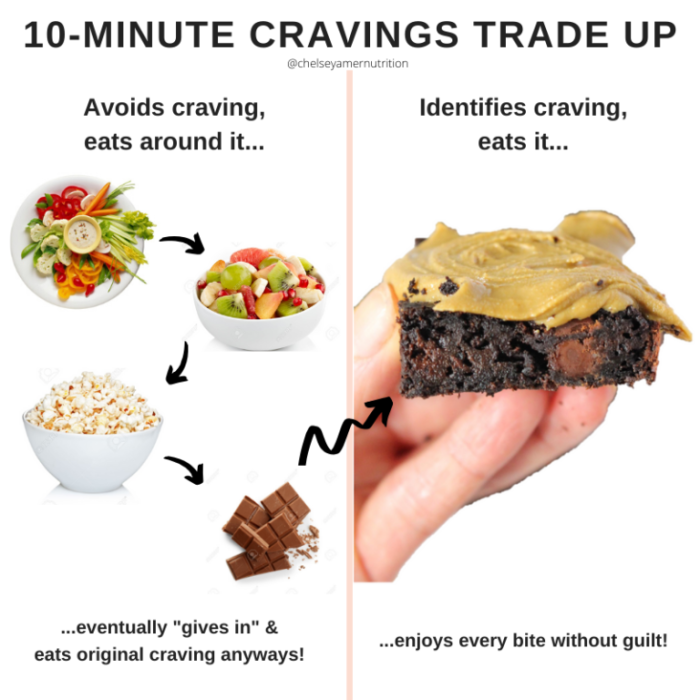
- Acknowledge your cravings without judgment. Recognize that it’s normal to experience cravings and that it’s okay to have them.
- Practice mindfulness and stay present in the moment. Focus on the nourishing foods you can enjoy rather than fixating on what you’re trying to avoid.
- Engage in activities that bring you joy and fulfillment, such as hobbies, exercise, or spending time with loved ones. A positive mindset can be a powerful tool in overcoming cravings.
- Remind yourself of your goals and the reasons why you choose to eat clean. Keeping your motivations in mind can help you stay on track and resist temptations.
Impact of Stress on Cravings and Ways to Manage Stress
Stress can have a significant impact on our cravings, often leading us to seek comfort in unhealthy foods. To manage stress effectively and support better mental health:
- Practice relaxation techniques such as deep breathing, meditation, or yoga to help reduce stress levels.
- Schedule regular exercise sessions to release endorphins and combat stress-induced cravings.
- Prioritize sleep and ensure you are getting enough rest to help regulate hormones that can influence cravings.
- Seek support from friends, family, or a professional if you’re feeling overwhelmed. Talking about your stressors can help alleviate their impact on your cravings.
Physical Fitness
Regular exercise plays a crucial role in controlling cravings and maintaining clean eating habits. Physical fitness not only helps in burning calories but also reduces stress, boosts mood, and improves overall well-being.
Examples of Physical Activities
- Cardiovascular exercises like running, cycling, or swimming can help in reducing cravings by releasing endorphins, which act as natural mood elevators.
- Strength training exercises such as weightlifting or bodyweight exercises can increase muscle mass and metabolism, leading to better appetite control.
- Yoga and Pilates are effective in reducing stress and promoting mindfulness, which can prevent emotional eating triggers.
Role of Physical Fitness in Clean Eating
Regular physical activity supports a healthy lifestyle by improving metabolism, regulating blood sugar levels, and enhancing overall energy levels. When combined with clean eating habits, exercise can help in achieving weight loss goals, maintaining muscle mass, and reducing the risk of chronic diseases.
It also promotes discipline and consistency in making healthy food choices, reinforcing a balanced approach to nutrition.
Adequate Hydration
Staying adequately hydrated is crucial in managing cravings and maintaining overall health. Dehydration can often be mistaken for hunger, leading to unnecessary snacking and overeating.
Differentiating Between Hunger and Thirst Cravings
It’s essential to be able to differentiate between hunger and thirst cravings to make healthier choices. Here are some tips to help:
- Before reaching for a snack, try drinking a glass of water and wait for a few minutes to see if the craving subsides.
- Listen to your body’s cues – if you’ve recently eaten but still feel the urge to snack, it could be a sign of dehydration.
- Pay attention to other signs of dehydration such as dry mouth, dark urine, or feeling fatigued.
Benefits of Adequate Hydration
Adequate hydration offers numerous benefits for overall health and well-being:
- Improved digestion and nutrient absorption
- Regulation of body temperature
- Increased energy levels and reduced fatigue
- Supports healthy skin and kidney function
Healthy Lifestyle
Adopting a healthy lifestyle plays a crucial role in handling cravings and promoting clean eating. By incorporating habits that prioritize overall well-being, individuals can effectively reduce cravings and maintain a balanced diet.
Habits that Promote Clean Eating and Reduce Cravings
- Meal prepping: Planning and preparing meals in advance can help avoid impulsive food choices and ensure access to nutritious options.
- Regular exercise: Physical activity not only contributes to physical fitness but also helps regulate appetite and reduce cravings.
- Mindful eating: Paying attention to hunger cues, savoring food, and eating slowly can prevent overeating and promote healthier food choices.
- Incorporating whole foods: Focusing on whole, unprocessed foods rich in nutrients can satisfy hunger and reduce cravings for unhealthy snacks.
Long-Term Benefits of Maintaining a Healthy Lifestyle
- Improved overall health: A healthy lifestyle can reduce the risk of chronic diseases such as heart disease, diabetes, and obesity.
- Enhanced mental well-being: Regular exercise and a balanced diet can boost mood, reduce stress, and improve cognitive function.
- Increased energy levels: Eating nutrient-dense foods and staying active can enhance energy levels and overall vitality.
- Longevity: By prioritizing health and wellness, individuals can increase their life expectancy and enjoy a higher quality of life as they age.
Stress Management
Stress can have a significant impact on our cravings, often leading us to reach for comfort foods high in sugar, fat, and calories. This can derail our clean eating goals and hinder our overall well-being. Therefore, managing stress effectively is crucial in maintaining a healthy diet.Experiencing stress triggers the release of cortisol, also known as the stress hormone, which can increase our cravings for unhealthy foods.
Learning how to cope with stress in a positive way can help prevent giving in to these cravings and stay on track with clean eating.
Effective Stress Management Techniques
- Practice mindfulness and meditation to calm the mind and reduce stress levels.
- Engage in regular physical activity, such as yoga or walking, to release endorphins and combat stress.
- Ensure an adequate amount of sleep to promote overall well-being and reduce stress-induced cravings.
- Utilize deep breathing exercises to alleviate stress and prevent emotional eating.
- Seek support from friends, family, or a therapist to talk through stressors and develop coping strategies.
Preventive Care
Preventive care plays a crucial role in managing cravings by focusing on early detection and intervention to prevent health issues that may trigger cravings.
Regular Check-ups and Screenings
Regular check-ups and screenings are essential components of preventive care as they help in identifying any potential health concerns before they escalate. By detecting issues early on, individuals can address them promptly, reducing the likelihood of developing cravings as a coping mechanism.
Importance of Preventive Care
Preventive care is vital in maintaining a balanced lifestyle as it allows individuals to take proactive measures to safeguard their health and well-being. By prioritizing preventive care, individuals can address any underlying health issues that may contribute to cravings and work towards a healthier lifestyle.
Proper Nutrition
Proper nutrition plays a crucial role in handling cravings effectively and maintaining a clean eating lifestyle. By fueling your body with nutrient-dense foods, you can satisfy cravings in a healthy way while providing your body with essential vitamins and minerals.
Impact of Nutrient-Dense Foods
Nutrient-dense foods such as fruits, vegetables, whole grains, lean proteins, and healthy fats not only help curb cravings but also provide a variety of nutrients that support overall health. These foods are rich in fiber, antioxidants, and other essential nutrients that can keep you feeling full and satisfied.
- Eat a variety of colorful fruits and vegetables to ensure you are getting a range of vitamins and minerals.
- Incorporate lean proteins like chicken, fish, tofu, or legumes into your meals to help you feel full and satisfied.
- Choose whole grains such as quinoa, brown rice, or oats to provide sustained energy and prevent cravings for unhealthy snacks.
- Include healthy fats from sources like avocados, nuts, and seeds to support brain function and keep cravings at bay.
Creating a Nutrition Plan
To support clean eating and manage cravings effectively, it is essential to create a well-rounded nutrition plan that focuses on whole, nutrient-dense foods. Here are some tips to help you create a nutrition plan that works for you:
- Plan your meals ahead of time to ensure you have healthy options readily available.
- Include a balance of macronutrients (carbohydrates, proteins, fats) in each meal to promote satiety and prevent cravings.
- List out healthy snack options to reach for when cravings strike, such as fresh fruit, nuts, or yogurt.
- Stay hydrated by drinking plenty of water throughout the day, as dehydration can often be mistaken for hunger.
Quality Sleep: How To Handle Cravings In Clean Eating
Quality sleep plays a crucial role in managing cravings and supporting a healthy lifestyle. Lack of adequate rest can disrupt hormonal balance, leading to increased appetite and cravings for unhealthy food choices. Here are some tips to improve sleep hygiene and prevent cravings:
Establish a Consistent Sleep Schedule
Maintaining a regular sleep routine helps regulate your body’s internal clock, promoting better sleep quality and overall well-being. Aim to go to bed and wake up at the same time every day, even on weekends.
Create a Relaxing Bedtime Routine
Engage in calming activities before bedtime, such as reading a book, taking a warm bath, or practicing relaxation techniques like deep breathing. Avoid screens and stimulating activities that can interfere with your sleep.
Optimize Your Sleep Environment
Make your bedroom conducive to sleep by keeping it dark, quiet, and cool. Invest in a comfortable mattress and pillows to support restful sleep. Consider using white noise machines or earplugs to block out any disruptive sounds.
Limit Caffeine and Alcohol Intake
Avoid consuming caffeine and alcohol close to bedtime, as they can interfere with your sleep cycle and quality. Opt for herbal tea or warm milk instead to promote relaxation.
Stay Active During the Day
Regular physical activity can help improve sleep quality and regulate your circadian rhythm. Aim for at least 30 minutes of exercise per day, but avoid vigorous workouts close to bedtime.
Manage Stress and Anxiety
Practice stress-reducing techniques such as mindfulness meditation, yoga, or journaling to calm your mind before bedtime. Address any underlying issues that may be causing sleep disturbances.By prioritizing quality sleep and implementing these tips for better sleep hygiene, you can effectively reduce cravings, support your overall health, and maintain a balanced diet more easily.
Cardio Health
Regular cardio exercises play a crucial role in promoting cardiovascular health, which can have a significant impact on managing cravings. By improving blood circulation and heart function, cardio activities can help regulate appetite and reduce unnecessary food cravings.
Examples of Cardio Exercises
- Running or jogging
- Cycling
- Swimming
- Aerobics
- Dancing
Benefits of Healthy Heart
Maintaining a healthy heart through cardio exercises not only helps in curbing cravings but also contributes to overall well-being. A strong cardiovascular system can improve energy levels, enhance mood, boost metabolism, and reduce the risk of various health conditions such as heart disease, diabetes, and obesity.
Immune Boost
Boosting the immune system plays a crucial role in managing cravings and maintaining overall health. A strong immune system can help reduce inflammation in the body, regulate hormones, and keep the body functioning optimally. This, in turn, can aid in controlling cravings for unhealthy foods and maintaining a clean eating lifestyle.
Incorporating Immune-Boosting Foods
When it comes to incorporating immune-boosting foods into your diet, focus on nutrient-dense options that are rich in vitamins, minerals, and antioxidants. Some key foods to include are:
- Colorful fruits and vegetables: Berries, citrus fruits, leafy greens, and bell peppers are excellent sources of vitamin C and other antioxidants that support immune function.
- Probiotic-rich foods: Yogurt, kefir, sauerkraut, and kimchi contain beneficial bacteria that can help support gut health and boost the immune system.
- Garlic and onions: These aromatic vegetables have antimicrobial properties and can help fight off infections, supporting overall immune function.
- Nuts and seeds: Almonds, sunflower seeds, and pumpkin seeds are packed with nutrients like vitamin E, zinc, and selenium, which are essential for a healthy immune system.
- Herbs and spices: Turmeric, ginger, and cinnamon have anti-inflammatory and antioxidant properties that can help strengthen the immune system.
By incorporating these immune-boosting foods into your diet regularly, you can support your immune system, manage cravings, and maintain a clean eating lifestyle.
Clean Eating
Clean eating refers to consuming whole, unprocessed foods in their most natural state, free from additives, preservatives, or artificial ingredients. Embracing clean eating plays a crucial role in handling cravings by providing the body with essential nutrients and promoting overall well-being.
By fueling our bodies with nutrient-dense foods, we can better regulate blood sugar levels, curb cravings, and maintain a healthy weight.
Examples of Clean Eating Principles
- Avoiding processed foods high in added sugars, unhealthy fats, and artificial ingredients.
- Opting for whole foods such as fruits, vegetables, lean proteins, whole grains, and healthy fats.
- Reading labels and choosing products with minimal ingredients and no hidden additives.
- Preparing meals at home using fresh ingredients to have better control over what goes into your food.
- Drinking plenty of water and staying hydrated throughout the day.
Benefits of Embracing a Clean Eating Lifestyle
-
Improved energy levels and overall well-being.
- Weight management and reduced risk of chronic diseases.
- Enhanced digestion and gut health.
- Boosted immune system and increased mental clarity.
- Better skin health and overall appearance.
Daily Activity
Regular physical activity plays a crucial role in managing cravings and maintaining a healthy lifestyle. By staying active throughout the day, you can prevent unnecessary food cravings and maintain a balanced approach to clean eating.
Simple Ways to Stay Active, How to handle cravings in clean eating
- Take short walks during breaks at work or school.
- Use the stairs instead of the elevator whenever possible.
- Do bodyweight exercises like squats or push-ups at home.
- Engage in active hobbies such as dancing, gardening, or cycling.
Impact of Daily Activity on Clean Eating
Regular physical activity not only helps burn calories but also boosts metabolism and improves overall well-being. When combined with a clean eating routine, daily activity can enhance the benefits of nutritious food choices and promote weight management.
Holistic Health
A holistic approach to health focuses on the interconnectedness of the mind, body, and spirit. When it comes to managing cravings, addressing all aspects of holistic health is crucial for long-term success.
Connection between Physical, Mental, and Emotional Well-being
Physical health, mental well-being, and emotional balance are all intertwined when it comes to managing cravings. For example, stress and lack of sleep can lead to hormonal imbalances that trigger cravings for unhealthy foods. By addressing these underlying issues holistically, you can better manage your cravings.
Tips for Achieving Balance and Harmony for Holistic Health
- Practice mindfulness and meditation to reduce stress levels and improve emotional well-being.
- Engage in regular physical activity to support your physical health and boost your mood.
- Eat a balanced diet rich in nutrients to nourish your body and mind.
- Cultivate healthy relationships and social connections to support your emotional well-being.
- Prioritize self-care activities that promote relaxation and stress relief.
Mindful Living
Mindful living involves being fully present and aware of your thoughts, feelings, sensations, and surroundings without judgment. In the context of handling cravings, mindfulness can help you become more in tune with your body’s signals and make conscious choices about what you eat.Exercising mindfulness techniques can be a powerful tool in reducing impulsiveness when faced with food cravings.
By practicing mindfulness, you can pause and observe your cravings without immediately acting on them. This allows you to acknowledge the craving without letting it control your actions, giving you the space to make a more intentional decision about whether to indulge or not.
Mindfulness Techniques for Reducing Food Cravings
- Practice deep breathing: Take slow, deep breaths to calm your mind and body when a craving hits.
- Engage your senses: Notice the smell, texture, and taste of your food to fully experience each bite.
- Mindful eating: Slow down and savor each bite, paying attention to the flavors and sensations in your mouth.
- Body scan meditation: Scan your body from head to toe, noticing any tension or discomfort that may be driving your cravings.
Benefits of Mindfulness for Clean Eating
- Enhanced self-awareness: Mindfulness helps you understand the root causes of your cravings and make healthier choices.
- Improved impulse control: By practicing mindfulness, you can resist the urge to give in to unhealthy cravings.
- Reduced emotional eating: Mindfulness can help you manage stress and emotions without turning to food for comfort.
- Increased satisfaction: Being present while eating can help you feel more satisfied with smaller portions, promoting clean eating habits.
Emotional Balance
Emotional balance plays a crucial role in managing cravings and promoting overall well-being. When our emotions are not in check, we are more likely to turn to food for comfort or as a coping mechanism. Learning to cultivate emotional well-being is essential for preventing emotional eating and maintaining a healthy relationship with food.
Strategies for Cultivating Emotional Well-Being
- Acknowledge and accept your emotions without judgment. Allow yourself to feel and process them instead of suppressing or ignoring them.
- Practice mindfulness and meditation to increase self-awareness and emotional regulation.
- Engage in regular physical activity to release endorphins and reduce stress levels.
- Build a strong support system of friends, family, or a therapist to talk to during challenging times.
- Establish healthy boundaries to protect your emotional well-being and prevent burnout.
Importance of Emotional Balance in Managing Cravings
Emotional balance helps us make conscious and mindful choices around food, rather than turning to it impulsively to numb or distract ourselves from our feelings.
How Emotional Balance Contributes to a Healthy Relationship with Food
- By being in tune with our emotions, we can differentiate between physical hunger and emotional hunger, leading to more intuitive eating habits.
- Emotional balance allows us to enjoy food without guilt or shame, fostering a positive and sustainable relationship with nourishing our bodies.
Health Education
Health education plays a crucial role in understanding and managing cravings. By learning about nutrition, wellness, and the impact of different foods on our bodies, we can make more informed choices and develop strategies to deal with cravings in a healthy way.
The Importance of Being Informed
Being informed about nutrition and wellness is essential for maintaining a balanced and healthy lifestyle. Understanding the nutritional value of foods, the importance of portion control, and how different foods affect our bodies can help us make better decisions when it comes to managing cravings.
Resources for Ongoing Education
- Consulting registered dietitians or nutritionists for personalized guidance on clean eating habits.
- Reading reputable health and wellness websites, books, and journals to stay updated on the latest research and recommendations.
- Attending workshops, seminars, and webinars on nutrition, wellness, and healthy eating habits.
- Participating in online forums or support groups focused on clean eating and healthy living.
Self-Care
Self-care practices play a crucial role in managing cravings as they help reduce stress and promote overall well-being. By prioritizing self-care, individuals can better cope with cravings and maintain a healthy lifestyle.
Examples of Self-Care Activities
- Engaging in regular exercise to release endorphins and boost mood.
- Practicing mindfulness and meditation to reduce stress levels.
- Getting adequate rest and relaxation to recharge the body and mind.
- Participating in hobbies or activities that bring joy and fulfillment.
- Establishing boundaries and saying no when needed to prioritize self-care.
Chronic Disease
Chronic diseases can have a significant impact on cravings and clean eating habits. Conditions such as diabetes, heart disease, and autoimmune disorders can influence the body’s nutritional needs and how it responds to certain foods. Managing cravings while dealing with chronic health conditions requires a tailored approach to clean eating to ensure that individuals are meeting their specific dietary requirements while also addressing their cravings in a healthy way.
Impact of Chronic Diseases on Cravings and Clean Eating
Chronic diseases can disrupt the body’s natural balance and metabolism, leading to cravings for unhealthy foods high in sugars, fats, and salt. These cravings can be challenging to manage, especially for individuals with conditions that require strict dietary restrictions. It is essential to understand how chronic diseases affect cravings and to make conscious choices to support overall health through clean eating.
- Individuals with diabetes may experience cravings for sugary foods due to fluctuations in blood sugar levels. It is crucial for them to focus on complex carbohydrates, lean proteins, and healthy fats to stabilize blood sugar and manage cravings effectively.
- People with heart disease may crave salty or fatty foods, which can exacerbate their condition. Choosing heart-healthy options like fruits, vegetables, whole grains, and lean proteins can help reduce the risk of complications and support cardiovascular health.
- Those with autoimmune disorders may experience cravings for inflammatory foods that can worsen their symptoms. Following an anti-inflammatory diet rich in antioxidants, omega-3 fatty acids, and probiotics can help manage cravings and reduce inflammation in the body.
Strategies for Managing Cravings with Chronic Health Conditions
It is essential for individuals with chronic diseases to develop strategies to manage cravings in a way that supports their overall health and well-being. Some effective strategies include:
- Keeping healthy snacks on hand to satisfy cravings without compromising dietary goals.
- Practicing mindful eating to become more aware of hunger cues and make conscious food choices.
- Engaging in regular physical activity to reduce stress and improve mood, which can help control cravings.
- Seeking support from healthcare professionals, nutritionists, or support groups to create a personalized plan for managing cravings and clean eating.
Importance of a Tailored Approach to Clean Eating for Individuals with Chronic Diseases
Each individual’s nutritional needs are unique, especially when managing chronic health conditions that impact cravings and clean eating habits. A tailored approach to clean eating takes into account specific dietary requirements, food sensitivities, and health goals to promote optimal wellness and manage cravings effectively.
By working with healthcare providers and nutrition experts, individuals with chronic diseases can develop a personalized nutrition plan that supports their overall health and helps them make informed choices to improve their quality of life.
Conclusive Thoughts
In conclusion, managing cravings in clean eating is not just about willpower but also about understanding your body’s needs and making conscious choices. By incorporating the tips and strategies Artikeld in this guide, you can take control of your cravings and stay on track towards a healthier you.
FAQ Guide
How can I differentiate between hunger and thirst cravings?
To differentiate between hunger and thirst cravings, try drinking a glass of water when you feel hungry. If the craving subsides, you were likely thirsty rather than hungry.
What are some effective stress management techniques to prevent giving in to cravings?
Some effective stress management techniques include deep breathing exercises, meditation, yoga, and engaging in physical activity. Find what works best for you to reduce stress and prevent cravings.
How can I incorporate immune-boosting foods into my diet to manage cravings?
You can include immune-boosting foods like citrus fruits, bell peppers, garlic, ginger, and yogurt in your diet. These foods can help strengthen your immune system and support your clean eating goals.
What role does emotional balance play in managing cravings?
Emotional balance is crucial in managing cravings as it helps prevent emotional eating. By cultivating emotional well-being through self-care practices and mindfulness, you can develop a healthier relationship with food and cravings.


