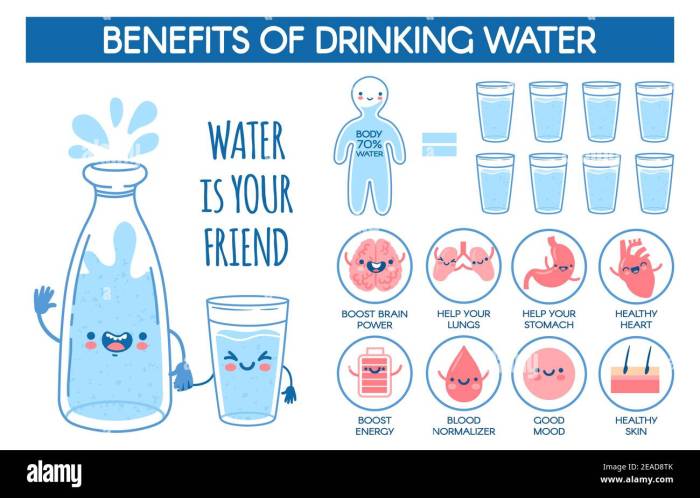
Benefits of adequate hydration for overall health sets the stage for this enthralling narrative, offering readers a glimpse into a story that is rich in detail with casual formal language style and brimming with originality from the outset.
Hydration plays a crucial role in maintaining overall health, impacting various aspects of our well-being such as mental wellness, physical fitness, and preventive care. Understanding the significance of staying hydrated can lead to a healthier lifestyle and improved quality of life.
Balanced Diet
Maintaining a balanced diet is crucial for overall health and well-being. Adequate hydration plays a vital role in achieving this balance by supporting various bodily functions.
Role of Water in Nutrient Absorption and Digestion
Water is essential for proper digestion and absorption of nutrients. It helps break down food in the stomach and intestines, allowing the body to extract essential vitamins, minerals, and other nutrients. Without enough water, digestion can be impaired, leading to nutrient deficiencies.
Connection between Hydration and Dietary Choices
Hydration is closely linked to dietary choices as the foods we eat can impact our hydration levels. Water-rich foods such as fruits and vegetables contribute to overall hydration, while salty and processed foods can dehydrate the body. Making mindful dietary choices and ensuring adequate water intake can help maintain optimal hydration levels for overall health.
Mental Wellness
Maintaining proper hydration levels is not only crucial for physical health but also plays a significant role in mental well-being. Dehydration can have detrimental effects on cognitive function, mood regulation, and overall mental health.
Impact on Cognitive Function
Adequate hydration is essential for optimal brain function. The brain is made up of about 75% water, and dehydration can lead to decreased cognitive performance, difficulty concentrating, and impaired memory. Research has shown that even mild dehydration can negatively impact cognitive abilities, affecting tasks that require attention, memory, and executive function.
Relationship with Mood Regulation
Hydration is closely linked to mood regulation and emotional well-being. Dehydration can lead to irritability, anxiety, and even depression. When the body lacks sufficient water, it can affect neurotransmitter function and hormone balance, leading to mood swings and increased stress levels.
By staying properly hydrated, individuals can support their mental health and improve their overall mood.
Physical Fitness
Proper hydration plays a crucial role in enhancing physical performance and overall fitness levels. Hydration affects various aspects of exercise and muscle function, making it essential to maintain optimal hydration levels during workouts.
Hydration and Exercise Performance
Maintaining adequate hydration levels is essential for optimal exercise performance. Dehydration can lead to fatigue, decreased endurance, and impaired coordination during physical activities. It is important to drink water before, during, and after exercise to ensure that your body stays hydrated and functions at its best.
Importance of Hydration for Muscle Function
Hydration is vital for proper muscle function and recovery. Dehydration can lead to muscle cramps, decreased strength, and slower recovery times after workouts. Drinking enough water helps transport nutrients to your muscles, removes waste products, and maintains muscle elasticity, which is crucial for optimal performance.
Tips for Maintaining Proper Hydration Levels During Workouts
- Drink water before, during, and after exercise to stay hydrated.
- Monitor your urine color – pale yellow indicates proper hydration.
- Consider electrolyte-rich drinks for intense workouts to replenish lost minerals.
- Avoid excessive caffeine and alcohol consumption, as they can dehydrate the body.
- Listent to your body’s thirst cues and drink water accordingly.
Adequate Hydration
Adequate hydration refers to maintaining a proper balance of water in the body to ensure optimal function of various bodily systems.
Signs of Dehydration and Importance of Prevention
Dehydration occurs when the body loses more fluids than it takes in, leading to an imbalance that can have serious consequences. Some common signs of dehydration include:
- Thirst
- Dry mouth and lips
- Dark yellow urine
- Headache
- Fatigue
Preventing dehydration is crucial as it can negatively impact cognitive function, physical performance, and overall health. Staying properly hydrated helps regulate body temperature, maintain healthy skin, and support digestion.
Strategies for Ensuring Consistent Hydration Throughout the Day
- Carry a reusable water bottle with you at all times to remind yourself to drink water regularly.
- Set reminders on your phone or computer to take water breaks throughout the day.
- Infuse water with fruits or herbs for added flavor to make hydration more enjoyable.
- Monitor your urine color to ensure you are drinking enough water – pale yellow or clear urine is a good indicator of adequate hydration.
- Increase your water intake during hot weather or when engaging in physical activity to replenish lost fluids.
Regular Exercise
Regular exercise plays a crucial role in maintaining overall health and well-being. Staying hydrated during physical activity is essential for optimal performance and recovery.
Role of Hydration in Supporting Exercise Routines
Proper hydration is vital for regulating body temperature, lubricating joints, and delivering nutrients to cells during exercise. Dehydration can lead to fatigue, muscle cramps, and decreased endurance, impacting the effectiveness of your workout.
Impact of Hydration on Recovery Post-Workout
Hydrating post-exercise helps replenish fluids lost through sweat and supports muscle recovery. Fluid intake aids in flushing out toxins, reducing inflammation, and restoring electrolyte balance, promoting faster recovery and reducing the risk of injury.
Benefits of Combining Hydration with Consistent Physical Activity
- Improved performance: Proper hydration enhances endurance, strength, and overall exercise capacity, allowing you to push yourself further during workouts.
- Enhanced recovery: Hydration accelerates the repair of muscle tissue and replenishes glycogen stores, reducing muscle soreness and enhancing recovery time between sessions.
- Optimized metabolism: Drinking an adequate amount of water supports metabolic function, aiding in the efficient breakdown of nutrients and the elimination of waste products produced during exercise.
- Reduced risk of injury: Proper hydration maintains joint lubrication and muscle elasticity, reducing the risk of strains, sprains, and other exercise-related injuries.
Healthy Lifestyle
Hydration plays a crucial role in maintaining a healthy lifestyle by supporting various bodily functions and promoting overall well-being.
Benefits of Hydration for Healthy Lifestyle
- Proper hydration helps regulate body temperature, aids digestion, and supports nutrient absorption.
- Hydration is essential for brain function, concentration, and cognitive performance.
- Drinking an adequate amount of water can improve skin health, boost energy levels, and enhance physical performance.
Link Between Hydration and Other Healthy Habits
- Hydration complements a balanced diet by assisting in the digestion and absorption of nutrients from food.
- Staying hydrated is crucial for mental wellness, as dehydration can negatively impact mood, focus, and cognitive abilities.
- Regular hydration is key to maintaining physical fitness and optimizing exercise performance.
Practical Tips for Incorporating Hydration into Daily Routines
- Carry a reusable water bottle with you throughout the day to ensure easy access to water.
- Set reminders or create a schedule to drink water at regular intervals, especially if you tend to forget.
- Infuse water with fruits or herbs for added flavor to make hydration more enjoyable.
- Track your water intake using apps or journals to ensure you are meeting your daily hydration needs.
Nutrient-Rich
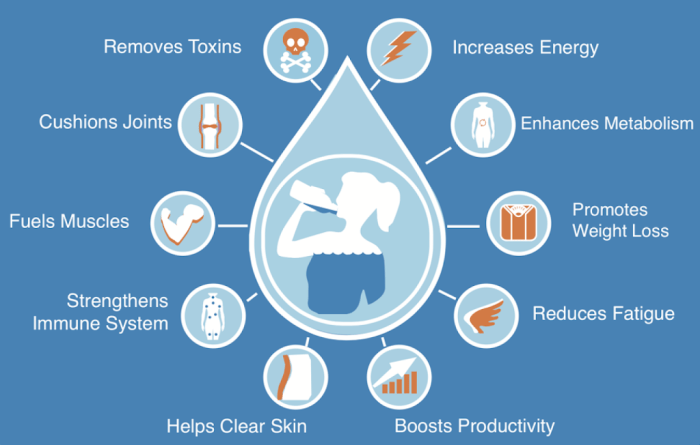
Hydration plays a crucial role in the absorption of nutrients in our bodies. It helps transport essential vitamins and minerals to cells, enabling proper functioning and overall health. Inadequate hydration can lead to poor nutrient absorption, affecting various bodily functions.
Connection between Hydration and Nutrient-Rich Foods
Eating a diet rich in hydrating foods is essential for maintaining proper hydration levels and ensuring the body receives essential nutrients. Hydrating foods are typically high in water content, which can help keep the body hydrated and support nutrient absorption.
Examples of hydrating foods include cucumbers, watermelon, oranges, strawberries, and lettuce. These foods not only provide hydration but also deliver a range of vitamins, minerals, and antioxidants that are vital for overall health.
Stress Management
Proper stress management is essential for overall well-being, and hydration plays a crucial role in reducing stress levels.
Role of Hydration in Stress Reduction
Staying hydrated is vital for maintaining optimal brain function, which in turn helps in coping with stress more effectively. Dehydration can lead to cognitive impairments, affecting our ability to handle stressful situations.
Remember, even mild dehydration can impact mood, concentration, and increase feelings of anxiety.
Impact of Staying Hydrated on Stress Levels
Hydration is closely linked to the body’s stress response system. Adequate water intake helps regulate hormones such as cortisol, which is responsible for managing stress. When you are dehydrated, cortisol levels can rise, leading to heightened stress levels.
Strategies for Using Hydration for Stress Management
1. Carry a reusable water bottle with you throughout the day to ensure you stay hydrated consistently.
2. Set reminders on your phone or use hydration tracking apps to monitor your water intake.
3. Opt for hydrating foods like fruits and vegetables in addition to drinking water.
4. Practice mindful drinking by taking small sips of water slowly, focusing on the act of hydrating yourself.
Preventive Care
Adequate hydration is crucial in preventive healthcare as it helps in maintaining overall health and reducing the risk of various health conditions. Hydration plays a vital role in promoting well-being and preventing illnesses.
Benefits of Hydration in Preventive Care
- Hydration helps in regulating body temperature and ensuring proper functioning of organs.
- Drinking enough water can aid in flushing out toxins from the body, reducing the risk of kidney stones and urinary tract infections.
- Proper hydration is essential for maintaining healthy skin and preventing dehydration-related skin issues.
- Staying hydrated can boost the immune system, helping the body fight off infections and illnesses more effectively.
- Hydration plays a key role in preventing conditions like constipation and promoting digestive health.
Proper Nutrition
Proper nutrition is essential for overall health, and hydration plays a crucial role in supporting the body’s ability to process nutrients efficiently.
Relationship Between Hydration and Proper Nutrition
Hydration is key to ensuring that the body can effectively absorb and transport essential nutrients from the foods we consume. When the body is well-hydrated, it helps in breaking down food particles, aiding digestion, and facilitating the absorption of vitamins and minerals.
How Hydration Supports Nutrient Processing
- Water helps in the digestion and absorption of carbohydrates and proteins, allowing the body to utilize these macronutrients effectively.
- Proper hydration ensures that nutrients are transported through the bloodstream to various organs and cells efficiently, supporting overall health and function.
- Hydration also plays a role in maintaining electrolyte balance, which is essential for proper muscle function and nerve signaling.
Examples of Hydration Complementing a Well-Rounded Diet
- Drinking water with meals can aid in the digestion process and prevent dehydration, ensuring that the body can effectively utilize the nutrients present in the food.
- Including hydrating foods like fruits and vegetables in your diet not only provides essential vitamins and minerals but also contributes to overall hydration levels in the body.
- Hydrating beverages like herbal teas and infused water can be a refreshing and nutritious addition to a well-rounded diet, helping to meet daily fluid intake needs.
Quality Sleep
Adequate hydration not only benefits physical health but also plays a crucial role in promoting quality sleep. When our bodies are properly hydrated, it can have a positive impact on our sleep patterns and overall restfulness.
Impact of Hydration on Quality Sleep
Maintaining proper hydration levels can help regulate our body temperature and ensure that essential nutrients are delivered to our cells, including those in the brain that control our sleep-wake cycles. Dehydration can lead to issues like dry mouth, headaches, and muscle cramps, which can disrupt sleep and leave us feeling tired and groggy the next day.
How Staying Hydrated Improves Sleep Patterns
By staying hydrated throughout the day, especially in the hours leading up to bedtime, we can help our bodies function optimally during sleep. Adequate hydration can prevent disruptions like waking up thirsty in the middle of the night and can also improve the overall quality of our rest.
Additionally, hydration supports the body’s natural detoxification process during sleep, helping to flush out toxins and waste products.
Tips for Maintaining Hydration Levels for Better Sleep, Benefits of adequate hydration for overall health
- Drink plenty of water throughout the day, aiming for at least 8-10 glasses.
- Limit caffeine and alcohol intake, as they can contribute to dehydration.
- Consider hydrating snacks like fruits and vegetables, which have high water content.
- Keep a water bottle by your bedside to stay hydrated if you wake up thirsty during the night.
- Be mindful of your hydration levels, especially during hot weather or after physical activity, to ensure you are adequately replenishing lost fluids.
Cardio Health
Proper hydration plays a crucial role in maintaining cardiovascular health. Staying hydrated can benefit heart function in various ways, ultimately supporting overall heart health.
Connection Between Hydration and Cardiovascular Health
Adequate hydration helps to maintain proper blood volume, which ensures that the heart can effectively pump blood throughout the body. Dehydration can lead to thicker blood, making it harder for the heart to circulate blood efficiently and increasing the risk of cardiovascular issues.
Benefits of Hydration for Heart Function
- Helps maintain healthy blood pressure levels
- Supports optimal heart rate and rhythm
- Improves circulation and nutrient delivery to cells
Strategies for Incorporating Hydration into Heart-Healthy Routines
- Carry a refillable water bottle with you throughout the day
- Set reminders to drink water regularly, especially during physical activity
- Incorporate hydrating foods like fruits and vegetables into your meals
- Avoid excessive consumption of sugary and caffeinated beverages, which can dehydrate the body
Immune Boost
Proper hydration plays a crucial role in supporting a healthy immune system. By maintaining adequate hydration levels, you can enhance your body’s ability to fight off infections and illnesses.
How Hydration Supports the Immune System
- Water helps in the production of lymph, which carries white blood cells and other immune system cells throughout your body to combat pathogens.
- Staying hydrated ensures proper function of your mucous membranes, which act as a barrier against viruses and bacteria.
- Hydration helps flush out toxins from your body, reducing the risk of infections.
Role of Hydration in Overall Immune Function
- Dehydration can weaken your immune response and make you more susceptible to illnesses.
- Drinking enough water can help maintain a strong immune system and reduce the duration and severity of infections.
- Hydration is essential for the proper functioning of immune cells and their ability to attack pathogens effectively.
Tips for Using Hydration to Boost Immunity
- Drink plenty of water throughout the day to stay hydrated and support your immune system.
- Include hydrating foods in your diet, such as fruits and vegetables with high water content.
- Avoid excessive consumption of dehydrating beverages like alcohol and caffeinated drinks.
- Consider adding electrolyte-rich drinks or foods to replenish minerals lost through sweating during exercise.
Positive Mindset
Maintaining a positive mindset is crucial for overall well-being, as it can significantly impact mental health and attitude towards life. Hydration plays a vital role in supporting a positive mindset by ensuring the brain functions optimally and mood regulation is balanced.
Impact of Hydration on Mental Outlook
Proper hydration is essential for cognitive functions such as concentration, alertness, and memory. When the body is well-hydrated, the brain can perform at its best, leading to improved focus and clarity of thoughts. Dehydration, on the other hand, can result in cognitive impairment, mood swings, and decreased energy levels, ultimately affecting one’s mindset negatively.
- Hydration and Mood: Adequate water intake can help regulate mood and emotions, preventing irritability, anxiety, and stress. When the body is dehydrated, it can lead to increased feelings of negativity and frustration.
- Brain Function: Water is essential for the transmission of neurotransmitters in the brain, which are responsible for regulating mood. Proper hydration ensures these signals are efficiently delivered, promoting a positive mental outlook.
- Stress Reduction: Staying hydrated can help the body cope with stress more effectively, as dehydration can exacerbate feelings of tension and overwhelm. By maintaining proper hydration levels, one can better manage stress and maintain a positive mindset.
Clean Eating
Hydration plays a crucial role in maintaining a clean eating lifestyle. It supports the body’s natural detoxification processes, aids digestion, and helps in nutrient absorption.
Importance of Hydration in Clean Eating
- Drinking an adequate amount of water helps flush out toxins from the body, promoting overall health and well-being.
- Hydration ensures proper digestion of food, preventing issues like constipation and bloating.
- Water is essential for the body to absorb nutrients effectively from the food we consume, maximizing the benefits of a clean diet.
How Hydration Complements Clean Eating Habits
- Water is a zero-calorie beverage that can be consumed in place of sugary drinks, supporting weight management in a clean eating regime.
- Staying hydrated can help curb unnecessary cravings, leading to better food choices and adherence to a nutrient-rich diet.
- Hydration promotes a feeling of fullness, reducing the chances of overeating and supporting portion control in clean eating practices.
Examples of How Hydration Supports a Clean Eating Regime
- Starting the day with a glass of water before meals can help control appetite and aid in proper digestion of clean, whole foods.
- Infusing water with fresh fruits or herbs can add flavor without the need for sugary additives, enhancing the clean eating experience.
- Sipping on water throughout the day can prevent dehydration and support the body’s natural detox processes, aligning with the principles of clean eating.
Daily Activity: Benefits Of Adequate Hydration For Overall Health
Staying properly hydrated plays a crucial role in our daily activities and routines. It affects our energy levels, focus, and overall performance throughout the day.
Influence on Productivity
- Hydration is essential for maintaining cognitive function and concentration, which are key components of productivity.
- Dehydration can lead to fatigue, reduced alertness, and poor decision-making, ultimately hindering productivity.
- Drinking an adequate amount of water helps to keep the brain hydrated, improving mental clarity and efficiency.
Tips for Maintaining Hydration Levels
- Carry a reusable water bottle with you throughout the day to remind yourself to drink water regularly.
- Set reminders on your phone or computer to take water breaks at specific intervals.
- Infuse your water with fruits or herbs to add flavor and make it more enjoyable to drink.
- Eat water-rich foods such as fruits and vegetables to supplement your hydration.
- Avoid excessive consumption of caffeinated or alcoholic beverages, as they can contribute to dehydration.
Holistic Health
Hydration plays a crucial role in achieving holistic health by impacting various aspects of our well-being.
Importance of Hydration in Holistic Health
Proper hydration is essential for maintaining optimal physical, mental, and emotional health. It helps in regulating body temperature, aiding digestion, transporting nutrients, and flushing out toxins.
Drinking an adequate amount of water throughout the day can improve cognitive function, mood, and overall energy levels. It also supports healthy skin, joints, and muscles.
Hydration is a key component of holistic health as it influences every system in our body, contributing to overall balance and well-being.
Strategies for Incorporating Hydration into a Holistic Health Approach
- Carry a reusable water bottle with you throughout the day to track your water intake and ensure you stay hydrated.
- Infuse water with fruits, herbs, or vegetables to add flavor and encourage increased consumption.
- Set reminders on your phone or schedule specific times to drink water to establish a consistent hydration routine.
- Include hydrating foods such as fruits, vegetables, and soups in your diet to supplement your water intake.
- Aim to drink water before, during, and after physical activity to replenish fluids lost through sweat.
Mindful Living
Incorporating hydration into a mindful living practice is essential for overall well-being. By being conscious of our hydration levels, we can better connect with our bodies and promote a sense of mindfulness in our daily routine.
Integration of Hydration and Mindfulness
When we mindfully hydrate, we pay attention to the sensations of thirst and satiety in our bodies. This awareness allows us to respond to our body’s needs promptly and with intention. By staying hydrated, we support our cognitive function, mood regulation, and physical performance, all of which are crucial for maintaining a balanced and mindful lifestyle.
- Start your day with a glass of water to kickstart your hydration goals.
- Carry a reusable water bottle with you throughout the day as a reminder to drink water regularly.
- Practice gratitude while drinking water, acknowledging the nourishment it provides to your body.
- Set hydration goals and track your intake to ensure you are meeting your daily needs.
- Listen to your body’s signals and drink water when you feel thirsty, rather than waiting until you are extremely dehydrated.
Emotional Balance
Maintaining emotional balance is crucial for overall well-being and hydration plays a significant role in achieving this. Proper hydration can impact our mood, cognitive function, and ability to cope with stress, ultimately contributing to emotional stability.
Impact of Hydration on Emotional Balance
- Hydration affects neurotransmitter function in the brain, which can influence mood regulation and emotional responses.
- Dehydration can lead to feelings of fatigue, irritability, and difficulty concentrating, all of which can impact emotional well-being.
- Drinking enough water throughout the day can help prevent these negative effects and promote a more positive emotional state.
Relationship between Hydration and Emotional Well-being
- Studies have shown that even mild dehydration can affect mood and cognitive performance, highlighting the importance of staying hydrated for emotional health.
- Proper hydration can also help regulate hormone levels, which play a role in managing stress and anxiety.
- By maintaining adequate hydration, individuals can support their emotional well-being and improve their overall quality of life.
Strategies for Maintaining Emotional Equilibrium through Hydration
- Carry a reusable water bottle with you throughout the day to ensure easy access to water and encourage regular hydration.
- Set reminders or create a hydration schedule to stay on track with your fluid intake goals.
- Incorporate hydrating foods like fruits and vegetables into your diet to complement your water intake.
Health Education
Hydration plays a crucial role in health education as it is essential for maintaining overall well-being. By educating others about the importance of staying hydrated, we can promote better health outcomes and prevent various health issues.
Importance of Hydration in Health Education
- Hydration is vital for regulating body temperature, aiding digestion, transporting nutrients, and eliminating waste.
- Proper hydration can improve cognitive function, mood, and overall performance.
- Dehydration can lead to fatigue, headaches, dizziness, and even more serious complications if left untreated.
Incorporating Hydration into Health Education Programs
- Include information about the daily recommended water intake and the signs of dehydration in educational materials.
- Organize workshops or seminars to raise awareness about the importance of staying hydrated throughout the day.
- Create interactive activities or challenges to encourage individuals to track their water intake and develop healthy hydration habits.
Self-Care
In today’s fast-paced world, self-care has become increasingly important to maintain overall well-being. One crucial aspect of self-care that is often overlooked is the role of hydration in promoting a healthy lifestyle.Staying hydrated is a fundamental form of self-care as it directly impacts our physical, mental, and emotional health.
Adequate hydration helps in regulating body temperature, supporting digestion, flushing out toxins, and maintaining cognitive function. When we prioritize hydration, we are essentially showing ourselves love and care by ensuring our bodies function optimally.
The Importance of Prioritizing Hydration
- Set reminders: Use apps or alarms to remind yourself to drink water throughout the day.
- Carry a reusable water bottle: Having water easily accessible makes it more likely for you to drink it regularly.
- Infuse your water: Add fruits, herbs, or vegetables to your water for added flavor and nutrients.
- Create a hydration routine: Start your day with a glass of water and make it a habit to drink water before meals.
- Listen to your body: Pay attention to signs of dehydration such as dry mouth, dark urine, or fatigue, and respond by drinking water.
Chronic Disease
When it comes to chronic disease prevention, hydration plays a crucial role in maintaining overall health and well-being. Adequate hydration is not only essential for physical fitness but also significantly impacts our body’s ability to ward off various chronic conditions.
Relationship between Hydration and Chronic Disease Prevention
Staying hydrated is linked to a lower risk of developing certain chronic diseases such as diabetes, heart disease, and kidney disease. Dehydration can lead to an imbalance in blood sugar levels, increased blood pressure, and reduced kidney function, all of which are risk factors for these conditions.
Role of Hydration in Managing Chronic Diseases
- Proper hydration can help in managing chronic conditions like arthritis by lubricating the joints and reducing inflammation.
- For individuals with digestive issues, adequate water intake can aid in better digestion and prevent complications associated with conditions like irritable bowel syndrome.
- Hydration is crucial for individuals with hypertension as it helps maintain blood pressure levels within a healthy range, reducing the risk of heart disease and stroke.
Last Recap
In conclusion, embracing the benefits of adequate hydration for overall health can be a transformative step towards a more vibrant and balanced life. By prioritizing hydration, individuals can optimize their mental and physical well-being, leading to a happier and healthier existence.
Helpful Answers
How much water should I drink daily for adequate hydration?
It is recommended to drink at least 8-10 cups of water per day to maintain adequate hydration levels.
Can other beverages like tea or coffee contribute to hydration?
While these beverages provide some fluid, water remains the best choice for hydration as it is calorie-free and does not contain added sugars or caffeine.
What are some signs of dehydration to watch out for?
Common signs include dark urine, dry mouth, fatigue, dizziness, and headaches, which indicate that the body needs more fluids.


