
Benefits of interval training for heart health sets the stage for a profound exploration into the impact of interval training on the heart. As we delve into the benefits, you’ll uncover a wealth of information that showcases the transformative power of this training method on cardiovascular well-being.
This training method isn’t just about breaking a sweat – it’s about enhancing heart health in ways you never imagined.
Benefits of Interval Training for Heart Health
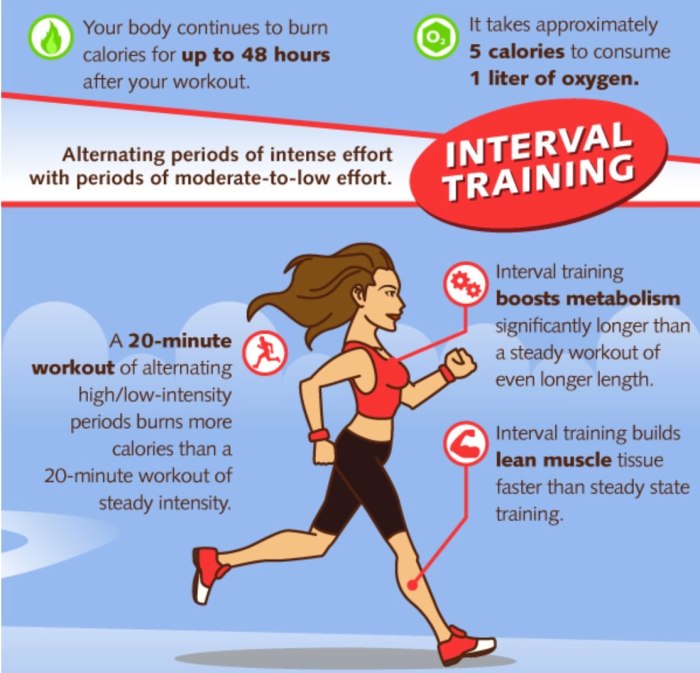
Interval training is a highly effective form of exercise that can significantly benefit heart health. Here are some key ways interval training can improve cardiovascular health:
Impact on Heart Rate Variability
Interval training has been shown to positively impact heart rate variability, which is a measure of the variation in time intervals between heartbeats. Improved heart rate variability is associated with a lower risk of heart disease and overall better cardiovascular health.
Reduced Risk of Heart Disease
Engaging in regular interval training can help reduce the risk of developing heart disease. This type of exercise has been found to improve various cardiovascular risk factors such as blood pressure, cholesterol levels, and insulin sensitivity, all of which play a crucial role in heart health.
Enhanced Overall Heart Function
Interval training can lead to improvements in overall heart function by increasing cardiac output, which is the amount of blood the heart pumps per minute. This form of exercise also strengthens the heart muscle and improves its efficiency, allowing it to work more effectively during periods of stress or physical exertion.
Balanced Diet: Benefits Of Interval Training For Heart Health
Eating a balanced diet is crucial for maintaining heart health and overall well-being. A balanced diet provides the necessary nutrients that support the proper functioning of the heart and helps prevent cardiovascular diseases.
Nutrient-rich Foods for Heart Health
Including nutrient-rich foods in your diet can significantly benefit heart health. Some examples of such foods include:
- Leafy green vegetables like spinach and kale, which are rich in vitamins, minerals, and antioxidants that support heart function.
- Fatty fish such as salmon, mackerel, and sardines, which are high in omega-3 fatty acids that help reduce inflammation and improve heart health.
- Whole grains like oats, quinoa, and brown rice, which provide fiber, vitamins, and minerals that are beneficial for heart health.
- Berries like blueberries, strawberries, and raspberries, which are packed with antioxidants that protect the heart from damage.
Role of Balanced Diet in Preventing Cardiovascular Diseases
A balanced diet plays a key role in preventing cardiovascular diseases by reducing the risk factors associated with heart health. By consuming a variety of nutrient-rich foods, you can maintain healthy cholesterol levels, blood pressure, and blood sugar levels, which are essential for heart health.
Contribution to Overall Well-being
In addition to supporting heart health, a balanced diet contributes to overall well-being by providing the necessary nutrients for optimal body function. Eating a variety of foods from different food groups ensures that your body receives all the essential vitamins, minerals, and antioxidants it needs to thrive.
Mental Wellness
Maintaining mental wellness is crucial for overall heart health. Research has shown a strong connection between mental well-being and cardiovascular health. Stress, anxiety, and depression can all have negative impacts on the heart, increasing the risk of heart disease and other cardiovascular issues.
Strategies for Positive Mindset
- Avoid negative thought patterns and practice positive self-talk.
- Engage in activities that bring joy and relaxation, such as meditation or hobbies.
- Stay connected with supportive friends and family members.
- Get regular exercise, which can help boost mood and reduce stress.
Impact of Stress Management
Stress management plays a crucial role in maintaining a healthy heart. Chronic stress can lead to elevated blood pressure, inflammation, and an increased risk of heart disease. Implementing stress-reducing techniques such as deep breathing exercises, yoga, or mindfulness can help lower stress levels and protect the heart.
Influence on Cardiovascular Well-being
Mental wellness directly influences overall cardiovascular well-being. Positive mental health can lead to lower blood pressure, reduced inflammation, and a healthier heart. By taking care of our mental health, we can positively impact our heart health and reduce the risk of heart disease in the long run.
Physical Fitness
Regular physical activity is essential for maintaining a healthy heart. Physical fitness plays a crucial role in improving heart health by strengthening the heart muscle, improving circulation, and reducing the risk of cardiovascular diseases. Engaging in regular exercise not only benefits the heart but also contributes to overall well-being.
Relationship between Physical Fitness and Heart Health
Regular exercise and physical fitness are directly linked to heart health. When you engage in physical activities such as aerobic exercises, the heart becomes stronger and more efficient at pumping blood throughout the body. This helps in lowering blood pressure, reducing cholesterol levels, and improving overall cardiovascular function.
- Examples of Exercises Benefiting the Heart:
- – Aerobic exercises like running, cycling, swimming
- – High-intensity interval training (HIIT)
- – Cardio workouts like dancing or kickboxing
Importance of Regular Exercise for Cardiovascular Health
Regular exercise is vital for maintaining cardiovascular health as it helps in reducing the risk of heart diseases, stroke, and other cardiovascular conditions. By incorporating physical activity into your routine, you can improve heart function, increase endurance, and enhance overall quality of life.
- Physical Fitness Improving Heart Function and Endurance:
- – Regular exercise strengthens the heart muscle
- – Enhances blood flow and oxygen delivery to the body
- – Increases heart rate variability, a marker of heart health
Adequate Hydration
Proper hydration plays a crucial role in maintaining heart health. Staying well-hydrated is essential for supporting various functions in the body, including cardiovascular health.
Significance of Hydration for Heart Health
- Hydration is key for regulating blood volume and maintaining adequate blood pressure levels, which are vital for a healthy heart.
- Dehydration can lead to an increase in heart rate and put added stress on the heart, potentially leading to complications.
Impact of Hydration on Cardiovascular Function
- Being properly hydrated helps in the transportation of nutrients and oxygen to the cells, supporting overall heart function.
- Water also aids in the removal of waste products from the body, preventing the buildup of toxins that can affect heart health.
Benefits of Staying Well-Hydrated for Heart Well-being
- Maintaining proper hydration levels can reduce the risk of developing conditions such as hypertension and heart disease.
- Hydration supports the body in maintaining optimal electrolyte balance, which is essential for heart rhythm regulation.
Tips for Maintaining Proper Hydration Levels
- Drink an adequate amount of water throughout the day, aiming for at least 8-10 glasses for optimal hydration.
- Include hydrating foods in your diet, such as fruits and vegetables with high water content.
- Avoid excessive consumption of dehydrating beverages like alcohol and caffeinated drinks.
- Monitor your hydration levels by checking the color of your urine – a pale yellow color indicates good hydration.
Regular Exercise
Regular exercise plays a crucial role in promoting heart health by strengthening the heart muscle, improving circulation, and lowering blood pressure and cholesterol levels. Consistency in exercise routines is key to maintaining cardiovascular well-being and reducing the risk of heart disease.
Types of Exercises Beneficial for the Heart
Regular aerobic exercises such as brisk walking, running, cycling, swimming, and dancing are excellent choices for improving heart health. These activities help increase heart rate, improve lung function, and enhance overall cardiovascular fitness.
Importance of Consistency in Exercise Routines
Consistency in exercise routines is essential for long-term heart health benefits. By sticking to a regular exercise schedule, individuals can maintain optimal cardiovascular function, reduce the risk of heart-related conditions, and improve their overall quality of life.
Recommendations for Integrating Regular Exercise
- Aim for at least 150 minutes of moderate-intensity aerobic exercise per week.
- Incorporate strength training exercises at least twice a week to improve heart health.
- Find activities you enjoy to make exercise a sustainable habit.
- Set realistic goals and track your progress to stay motivated.
Healthy Lifestyle
Adopting a healthy lifestyle can have a significant positive impact on heart health. By incorporating healthy habits into your daily routine, you can support cardiovascular well-being, improve overall health, and reduce the risk of heart disease.
Components of a Healthy Lifestyle for Heart Health
- Maintaining a balanced diet rich in fruits, vegetables, whole grains, and lean proteins can provide essential nutrients and support heart health.
- Engaging in regular exercise, including interval training, can strengthen the heart muscle, improve circulation, and lower blood pressure.
- Prioritizing mental wellness through stress management techniques, adequate sleep, and mindfulness practices can reduce the risk of heart-related issues.
- Ensuring adequate hydration by drinking plenty of water throughout the day can support overall cardiovascular function and health.
Tips for Cultivating a Healthy Lifestyle
- Start by setting achievable goals and gradually incorporating healthy habits into your daily routine.
- Seek support from friends, family, or healthcare professionals to stay motivated and accountable in your journey towards a healthier lifestyle.
- Find physical activities that you enjoy and make them a regular part of your routine to maintain consistency and long-term adherence.
Long-Term Benefits of Maintaining a Healthy Lifestyle
- Reduced risk of developing heart disease, stroke, and other cardiovascular conditions.
- Improved overall health and well-being, leading to a higher quality of life and increased longevity.
- Enhanced energy levels, mood, and cognitive function as a result of consistent healthy habits and lifestyle choices.
Nutrient-Rich
Consuming a diet rich in nutrients is crucial for maintaining heart health. Nutrient-rich foods provide the body with essential vitamins, minerals, antioxidants, and other compounds that support cardiovascular function and overall well-being.
Examples of Beneficial Nutrients
- Omega-3 fatty acids: Found in fatty fish like salmon and mackerel, omega-3s help reduce inflammation, lower triglycerides, and support heart health.
- Antioxidants: Found in fruits, vegetables, nuts, and seeds, antioxidants like vitamin C, vitamin E, and beta-carotene help protect the heart from damage caused by free radicals.
- Potassium: Found in bananas, sweet potatoes, and spinach, potassium helps regulate blood pressure and maintain proper heart function.
Impact on Cardiovascular Function
A diet rich in nutrients can have a significant impact on cardiovascular function. Nutrients like omega-3 fatty acids help lower cholesterol levels, reduce the risk of blood clots, and improve blood vessel function, all of which contribute to a healthier heart.
Contribution to Heart Well-being
Nutrient-rich foods play a key role in promoting overall heart well-being. They help maintain healthy blood pressure, reduce inflammation, support proper heart rhythm, and protect against oxidative stress, all of which are essential for a strong and resilient heart.
Stress Management
Stress management plays a crucial role in maintaining heart health and overall well-being. Chronic stress can have detrimental effects on cardiovascular function, leading to an increased risk of heart disease. By implementing effective stress management techniques, individuals can support a healthy heart and reduce the negative impact of stress on their bodies.
Strategies for Effective Stress Management
- Practice mindfulness and meditation to reduce stress levels and promote relaxation.
- Engage in regular physical exercise, such as yoga or aerobic activities, to release endorphins and combat stress.
- Establish a support system of friends and family to share feelings and receive emotional support.
- Set boundaries and learn to say no to prevent overwhelming yourself with commitments and responsibilities.
- Take breaks throughout the day to relax and recharge, whether it’s going for a walk or listening to calming music.
Preventive Care
Regular preventive care plays a crucial role in maintaining heart health. By taking proactive measures and undergoing regular check-ups and screenings, individuals can significantly reduce their risk of developing heart conditions. Early detection and intervention are key in preventing cardiovascular diseases and promoting overall well-being.
Importance of Regular Check-ups and Screenings
Regular check-ups and screenings are essential for detecting any potential heart issues at an early stage. These preventive measures can help identify risk factors such as high blood pressure, high cholesterol levels, or diabetes, which are key contributors to heart disease.
By monitoring these factors regularly, individuals can take necessary steps to manage and improve their heart health.
Tips for Proactive Prevention
- Maintain a balanced diet rich in fruits, vegetables, whole grains, and lean proteins to support heart health.
- Engage in regular physical activity, including interval training, to strengthen the heart and improve cardiovascular fitness.
- Stay hydrated and limit alcohol consumption to maintain optimal heart function.
- Manage stress through relaxation techniques, mindfulness practices, or hobbies to reduce the risk of heart disease.
- Avoid smoking and exposure to secondhand smoke to protect the heart and overall health.
Benefits of Early Detection and Intervention
Early detection of heart conditions allows for timely intervention and treatment, which can prevent the progression of cardiovascular diseases. By addressing risk factors early on, individuals can make lifestyle changes, start medication if necessary, and undergo necessary procedures to protect their heart health.
This proactive approach can lead to better outcomes and a reduced risk of heart-related complications in the long run.
Proper Nutrition
Proper nutrition plays a crucial role in maintaining heart health. A well-balanced diet can help reduce the risk of cardiovascular diseases and promote overall well-being.
Significance of Proper Nutrition for Heart Health
- Eating a diet rich in fruits, vegetables, whole grains, lean proteins, and healthy fats can provide essential nutrients that support heart function.
- Avoiding excessive intake of saturated fats, trans fats, cholesterol, and sodium is important for preventing heart-related issues.
- Proper nutrition can help regulate blood pressure, cholesterol levels, and blood sugar, which are key factors in heart health.
Recommendations for a Heart-Healthy Diet
- Include a variety of colorful fruits and vegetables in your daily meals to ensure a good intake of vitamins, minerals, and antioxidants.
- Choose whole grains like brown rice, quinoa, and oats over refined grains to increase fiber intake and promote heart health.
- Opt for lean proteins such as poultry, fish, beans, and nuts to reduce saturated fat consumption and support muscle health.
- Incorporate healthy fats like avocados, olive oil, and nuts into your diet to improve cholesterol levels and reduce inflammation.
- Limit processed foods, sugary drinks, and high-sodium snacks to lower the risk of heart diseases and maintain a healthy weight.
Impact of Balanced Nutrition on Cardiovascular Function
Proper nutrition can positively impact cardiovascular function by providing the necessary nutrients for heart health. A balanced diet can help regulate blood pressure, cholesterol levels, and blood sugar, reducing the risk of heart diseases and improving overall heart function.
How Proper Nutrition Supports Overall Heart Well-being
- Supports healthy blood pressure levels and reduces the risk of hypertension.
- Promotes healthy cholesterol levels and decreases the likelihood of plaque buildup in arteries.
- Aids in maintaining a healthy weight, which is crucial for heart health and overall well-being.
- Provides essential vitamins, minerals, and antioxidants that protect the heart from damage and support optimal function.
Quality Sleep
Quality sleep plays a crucial role in maintaining heart health and overall well-being. Adequate rest is essential for supporting cardiovascular function and reducing the risk of heart disease. In this section, we will explore the connection between quality sleep and heart health, discuss the impact of sleep on cardiovascular function, share tips for improving sleep quality, and explain the importance of adequate rest for heart health.
Connection between Quality Sleep and Heart Health
Sleep is a time when the body repairs and rejuvenates itself, including the cardiovascular system. Lack of quality sleep has been linked to an increased risk of hypertension, heart disease, and stroke. Poor sleep can also lead to inflammation, which is a key factor in heart health.
Impact of Sleep on Cardiovascular Function
- During deep sleep, the heart rate and blood pressure decrease, allowing the heart to rest and recover.
- Poor sleep can disrupt the body’s internal clock, leading to irregular heart rhythms.
- Inadequate sleep is associated with an increased risk of developing plaque buildup in the arteries, leading to atherosclerosis.
Tips for Improving Sleep Quality
- Establish a regular sleep schedule and stick to it, even on weekends.
- Create a relaxing bedtime routine to signal to your body that it’s time to wind down.
- Avoid caffeine, heavy meals, and electronics before bedtime to promote better sleep.
- Ensure your sleep environment is comfortable, quiet, and dark for optimal rest.
Importance of Adequate Rest for Heart Health
Adequate rest is essential for allowing the cardiovascular system to function optimally. Quality sleep helps regulate blood pressure, reduce stress on the heart, and promote overall heart health. By prioritizing sleep and ensuring sufficient rest, you can support your heart health and well-being.
Cardio Health
Cardiovascular health is crucial for overall well-being as it directly impacts the body’s functioning and longevity. A healthy heart ensures proper circulation of oxygen and nutrients to all organs and tissues, supporting optimal physical and mental performance.
Importance of Cardiovascular Health
Maintaining optimal cardiovascular health is essential for a strong and resilient heart. Regular exercise, a balanced diet, and stress management play key roles in keeping the heart healthy and functioning efficiently. Prioritizing heart health can significantly reduce the risk of heart diseases, strokes, and other cardiovascular complications.
Strategies for Optimal Cardiovascular Health
- Engage in regular aerobic exercises such as jogging, cycling, or swimming to strengthen the heart muscle and improve circulation.
- Adopt a heart-healthy diet rich in fruits, vegetables, whole grains, lean proteins, and healthy fats to support cardiovascular function.
- Manage stress through relaxation techniques, mindfulness, yoga, or hobbies to reduce the impact of chronic stress on heart health.
- Monitor blood pressure, cholesterol levels, and overall heart health regularly through check-ups and screenings to detect any potential issues early.
Long-Term Benefits of Prioritizing Heart Health, Benefits of interval training for heart health
By prioritizing heart health and maintaining optimal cardiovascular function, individuals can enjoy a higher quality of life, improved energy levels, better mental clarity, and reduced risk of chronic diseases. Long-term benefits include a lower likelihood of heart attacks, strokes, and heart-related issues, leading to a longer and healthier life.
Immune Boost
Maintaining heart health plays a crucial role in boosting the immune system. The relationship between heart health and immune function is closely intertwined, as a healthy heart can positively impact overall immune response. Here are some tips for supporting both heart health and immune function:
Healthy Diet
- Ensure you consume a balanced diet rich in fruits, vegetables, whole grains, lean proteins, and healthy fats.
- Limit processed foods, sugars, and saturated fats that can contribute to heart issues and weaken the immune system.
- Stay hydrated by drinking an adequate amount of water daily to support overall health and immune function.
Regular Exercise
- Engage in regular physical activity to improve heart health and boost immune function.
- Incorporate a mix of cardio, strength training, and flexibility exercises into your routine for optimal benefits.
- Aim for at least 150 minutes of moderate-intensity exercise per week for a healthy heart and immune system.
Stress Management
- Practice stress-reducing techniques such as meditation, deep breathing, yoga, or mindfulness to lower stress levels and support heart health.
- Chronic stress can weaken the immune system, so finding healthy ways to manage stress is essential for overall well-being.
- Prioritize self-care activities that promote relaxation and reduce tension to boost both heart health and immune function.
Positive Mindset
Having a positive mindset can greatly benefit heart health by reducing stress levels, promoting overall well-being, and improving resilience against cardiovascular diseases. The connection between mental outlook and cardiovascular well-being is significant, as negative emotions like stress, anxiety, and depression can contribute to the development of heart issues.
Cultivating a positive mindset is essential for maintaining a healthy heart and overall quality of life.
Strategies for Cultivating a Positive Mindset
- Acknowledge and challenge negative thoughts: Recognize negative patterns and replace them with positive affirmations.
- Practice gratitude: Focus on the things you are grateful for to shift your perspective towards positivity.
- Engage in regular physical activity: Exercise releases endorphins that boost mood and enhance positivity.
- Connect with supportive relationships: Surround yourself with people who uplift and encourage you.
- Practice mindfulness and meditation: These techniques can help manage stress and promote emotional balance.
Role of Positivity in Maintaining Heart Health
“A positive mindset can lead to healthier lifestyle choices, reduced inflammation, improved heart function, and better overall cardiovascular health.”
Maintaining a positive outlook can help in reducing the risk of heart diseases, improving heart function, and enhancing overall well-being. Positivity plays a crucial role in supporting heart health by influencing behaviors, stress levels, and overall resilience against health challenges.
Clean Eating
Clean eating is a dietary approach that focuses on consuming whole, unprocessed foods in their most natural form. This means avoiding processed foods, added sugars, artificial ingredients, and preservatives. The concept emphasizes the importance of nourishing the body with nutrient-dense foods to promote overall health and well-being.
Impact on Heart Health
Clean eating plays a crucial role in supporting heart health by providing essential nutrients that help lower the risk of cardiovascular diseases. By opting for fresh fruits, vegetables, whole grains, lean proteins, and healthy fats, individuals can reduce inflammation, regulate blood pressure, improve cholesterol levels, and maintain a healthy weight.
These factors contribute to a stronger heart and lower the likelihood of heart-related complications.
Benefits of Clean Eating for the Heart
- Rich in antioxidants that protect heart cells from damage
- High in fiber to support digestive health and lower cholesterol
- Low in added sugars and trans fats that can harm heart function
- Provides essential vitamins and minerals for optimal heart function
Tips for Incorporating Clean Eating into a Heart-Healthy Diet
- Shop the perimeter of the grocery store where fresh produce is typically located
- Read food labels and choose products with minimal ingredients and no added sugars
- Cook meals at home using whole ingredients and limit dining out at fast food restaurants
- Stay hydrated with water and limit sugary beverages that can negatively impact heart health
Long-Term Benefits of Clean Eating
Clean eating not only benefits heart health but also contributes to overall well-being in the long run. By fueling the body with nutrient-rich foods, individuals can experience increased energy levels, improved mental clarity, better digestion, enhanced immune function, and a reduced risk of chronic diseases.
Adopting clean eating habits as part of a balanced lifestyle can lead to sustained health and vitality over time.
Daily Activity
Regular physical activity plays a crucial role in maintaining heart health. Engaging in daily activities can improve cardiovascular function, reduce the risk of heart disease, and enhance overall well-being. Let’s explore the importance of daily physical activity for a healthy heart.
Importance of Daily Physical Activity for Heart Health
Consistent daily activity is essential for promoting heart health and preventing cardiovascular issues. By staying active, you can strengthen your heart muscle, improve circulation, and lower blood pressure and cholesterol levels.
- Walking: Taking brisk walks for at least 30 minutes a day can boost heart health and increase overall fitness levels.
- Cycling: Riding a bike is a great cardiovascular workout that is gentle on the joints and helps improve heart function.
- Swimming: Swimming is a full-body workout that engages the cardiovascular system, promoting heart health and endurance.
- Dancing: Engaging in dance routines not only elevates heart rate but also enhances coordination and flexibility.
Impact of Consistent Daily Activity on Cardiovascular Well-being
Regular physical activity can lead to a stronger and healthier heart. By engaging in daily activities, you can reduce the risk of heart disease, improve heart function, and enhance overall cardiovascular well-being.
- Increased Endurance: Daily activity improves stamina and endurance, allowing the heart to work more efficiently.
- Lowered Risk of Heart Disease: Regular exercise helps reduce the risk of developing heart conditions such as coronary artery disease and heart attacks.
- Improved Circulation: Physical activity promotes better blood flow, delivering essential nutrients and oxygen to the heart and other organs.
Tips for Incorporating More Movement into Daily Routines
It’s important to find ways to incorporate more movement into your daily routine to support heart health. Here are some tips to help you stay active:
- Take the stairs instead of the elevator whenever possible.
- Set a reminder to stretch or walk around every hour if you have a sedentary job.
- Join group fitness classes or sports activities to make exercise more enjoyable and social.
- Walk or bike to nearby destinations instead of driving to increase daily physical activity.
Holistic Health
Holistic health is a comprehensive approach to well-being that considers the interconnectedness of the mind, body, and spirit. When it comes to heart health, addressing various aspects of holistic health is crucial for overall well-being.
Relevance of Holistic Health to Heart Health
Embracing a holistic approach to health involves taking care of not just physical health but also mental, emotional, and spiritual well-being. Stress management, proper nutrition, regular exercise, quality sleep, and positive mindset all play a vital role in maintaining a healthy heart.
By addressing these different aspects, individuals can significantly reduce their risk of heart disease and improve their overall cardiovascular health.
Strategies for Embracing Holistic Approach
- Engage in regular physical activity such as interval training to improve cardiovascular fitness.
- Practice mindfulness and stress-reducing techniques like meditation or yoga.
- Eat a balanced diet rich in fruits, vegetables, whole grains, and lean proteins.
- Ensure adequate hydration throughout the day to support heart function.
- Prioritize quality sleep to allow the body to rest and recover properly.
- Cultivate a positive mindset through gratitude practices and positive affirmations.
Interconnectedness of Health Aspects on Heart Well-being
When it comes to heart health, no single factor operates in isolation. Physical fitness, mental wellness, nutrition, hydration, and overall lifestyle choices all influence the well-being of the heart. For example, chronic stress can lead to high blood pressure and increased risk of heart disease, highlighting the importance of addressing both mental and physical health aspects for optimal heart health.
Mindful Living
Mindful living involves being present in the moment and fully aware of your thoughts, feelings, and surroundings. This practice can have significant benefits for heart health by reducing stress and promoting overall well-being.
Benefits of Mindful Living for Heart Health
- Lowered blood pressure: Mindfulness techniques, such as deep breathing and meditation, can help lower blood pressure levels, reducing the risk of heart disease and stroke.
- Reduced inflammation: Chronic stress and anxiety can lead to inflammation in the body, which is a risk factor for heart conditions. Mindful living can help reduce inflammation and protect cardiovascular health.
- Improved heart rate variability: Mindfulness practices have been shown to improve heart rate variability, which is an indicator of heart health and resilience to stress.
Incorporating Mindfulness into Daily Routine
- Start the day with a mindful breathing exercise to set a positive tone for the day.
- Practice mindful eating by savoring each bite and paying attention to hunger cues.
- Take short mindfulness breaks throughout the day to check in with your thoughts and emotions.
Role of Mindfulness in Reducing Stress
- Mindfulness helps individuals become more aware of their stress triggers and develop healthier coping mechanisms.
- By staying present in the moment, mindfulness can prevent the escalation of stress and promote relaxation.
- Regular mindfulness practice can rewire the brain’s response to stress, leading to a calmer and more resilient mindset.
Emotional Balance
Maintaining emotional balance is crucial for supporting heart health. Our emotions can have a significant impact on cardiovascular function, making it essential to prioritize emotional well-being. Here are some strategies and tips for achieving and maintaining emotional equilibrium for optimal heart health:
Strategies for Emotional Balance
- Acknowledge and express your emotions instead of bottling them up. Talking to a trusted friend or therapist can help process feelings.
- Practice mindfulness and relaxation techniques such as meditation, deep breathing, or yoga to reduce stress and promote emotional stability.
- Engage in activities you enjoy, whether it’s hobbies, exercise, or spending time in nature, to boost mood and overall well-being.
- Set boundaries and learn to say no when feeling overwhelmed to prevent emotional exhaustion and burnout.
Impact of Emotional Well-being on Cardiovascular Health
Studies have shown that chronic stress and negative emotions can contribute to heart disease by affecting blood pressure, heart rate, and overall heart function.
Emotional balance plays a crucial role in maintaining a healthy heart, as positive emotions and reduced stress levels can improve cardiovascular outcomes.
Tips for Maintaining Emotional Balance
- Practice gratitude daily by reflecting on things you are thankful for to shift focus from negative to positive emotions.
- Stay connected with supportive relationships and seek social interactions to boost mood and emotional well-being.
- Get an adequate amount of sleep to recharge both the body and mind, promoting emotional resilience and stability.
- Aim for a balanced lifestyle with healthy habits, regular exercise, and proper nutrition to support emotional health and heart function.
Health Education
Health education plays a crucial role in promoting heart health by providing individuals with the knowledge and awareness necessary to make informed decisions for their cardiovascular well-being. By educating people on the importance of maintaining a healthy heart, they are empowered to take proactive steps to prevent heart disease and other related conditions.
Significance of Health Education for Heart Health
- Health education helps individuals understand the risk factors associated with heart disease, such as high blood pressure, high cholesterol, and obesity.
- By raising awareness about the benefits of a healthy lifestyle, including regular exercise and a balanced diet, health education encourages people to adopt heart-healthy habits.
- Education on the warning signs of heart problems enables individuals to seek medical help promptly, leading to early detection and prevention of serious cardiovascular issues.
Role of Knowledge and Awareness
- Knowledge about heart health empowers individuals to make informed choices regarding their diet, exercise routine, and overall lifestyle.
- Awareness of the impact of stress, smoking, and other unhealthy habits on heart health motivates people to make positive changes for a healthier heart.
- Understanding the importance of regular check-ups and screenings can aid in the early detection and management of heart conditions.
Resources for Ongoing Health Education
- Healthcare providers, such as doctors and nurses, can offer valuable information and resources on heart health during regular check-ups and appointments.
- Online platforms, reputable websites, and health organizations provide access to articles, videos, and guidelines for maintaining a healthy heart.
- Community events, workshops, and seminars focused on heart health can serve as educational opportunities for individuals looking to enhance their knowledge in this area.
Empowering Individuals for Heart Health
- Health education equips individuals with the tools and information needed to take control of their heart health and make positive lifestyle choices.
- By educating people on the importance of preventive care, proper nutrition, and regular exercise, health education enables them to prioritize their cardiovascular well-being.
- Empowered with knowledge, individuals can proactively manage risk factors, reduce the likelihood of heart disease, and lead healthier, more fulfilling lives.
Self-Care
Self-care practices play a crucial role in maintaining heart health and overall well-being. By incorporating self-care routines into daily life, individuals can positively impact their cardiovascular health and promote long-term wellness.
Importance of Self-Care for Heart Health
Self-care practices are essential for heart health as they help reduce stress levels, improve mental well-being, and promote relaxation. Stress management is particularly important for heart health, as high levels of stress can contribute to the development of heart disease.
Impact of Self-Care on Overall Well-Being
Self-care not only benefits the heart but also contributes to overall well-being. By practicing self-care, individuals can improve their quality of life, enhance their emotional balance, and maintain a positive mindset, all of which are important for cardiovascular health.
Tips for Incorporating Self-Care Routines
1. Prioritize relaxation techniques such as meditation or deep breathing exercises. 2. Engage in regular physical activity to boost endorphins and reduce stress. 3.
Ensure you get an adequate amount of sleep each night to support heart health. 4. Eat a balanced diet rich in nutrients to fuel your body and mind. 5. Set aside time for activities you enjoy to promote emotional well-being.
Role of Self-Care in Maintaining a Healthy Heart Long-Term
Consistent self-care practices can contribute to maintaining a healthy heart long-term by reducing the risk of heart disease, improving overall well-being, and promoting a positive lifestyle. By prioritizing self-care, individuals can take proactive steps towards protecting their heart health for the future.
Chronic Disease
The relationship between heart health and chronic diseases is crucial as many chronic conditions, such as diabetes, hypertension, and obesity, can significantly impact heart health. These conditions can increase the risk of heart disease, heart attacks, and strokes, making it essential to prioritize heart health to prevent the onset or progression of chronic diseases.
Maintaining Heart Health to Prevent Chronic Conditions
- Regular exercise, including interval training, can improve heart health and reduce the risk of developing chronic diseases.
- A balanced diet rich in nutrients and low in processed foods can help maintain a healthy heart and prevent chronic conditions like diabetes and hypertension.
- Adequate hydration and proper nutrition play a key role in supporting heart health and reducing the risk of chronic diseases.
Strategies for Managing Chronic Diseases while Prioritizing Heart Health
- Monitoring blood pressure, blood sugar levels, and cholesterol regularly can help manage chronic conditions and protect heart health.
- Engaging in stress management techniques such as meditation, yoga, or deep breathing exercises can support both heart health and overall well-being in individuals with chronic diseases.
- Working closely with healthcare providers to develop a comprehensive care plan that addresses both the chronic condition and heart health needs is essential for managing chronic diseases effectively.
Comprehensive Care for Individuals with Chronic Conditions
- Regular check-ups with healthcare providers, including cardiologists, endocrinologists, and dietitians, can ensure that individuals with chronic conditions receive the necessary support for their heart health.
- Education on lifestyle modifications, medication management, and preventive care measures can empower individuals with chronic diseases to take control of their heart health and overall well-being.
- Support from family members, caregivers, and support groups can provide emotional and practical assistance to individuals managing chronic conditions while prioritizing heart health.
Final Wrap-Up
In conclusion, the benefits of interval training for heart health are undeniable. By incorporating this dynamic approach into your fitness routine, you’re not just improving your heart health – you’re investing in a healthier, stronger future.
Query Resolution
How does interval training improve heart health?
Interval training boosts cardiovascular fitness, strengthens the heart, and enhances overall heart function.
What is the impact of interval training on heart rate variability?
Interval training can positively influence heart rate variability, promoting better heart health.
Can interval training reduce the risk of heart disease?
Yes, interval training has been shown to reduce the risk of heart disease by improving cardiovascular health.


