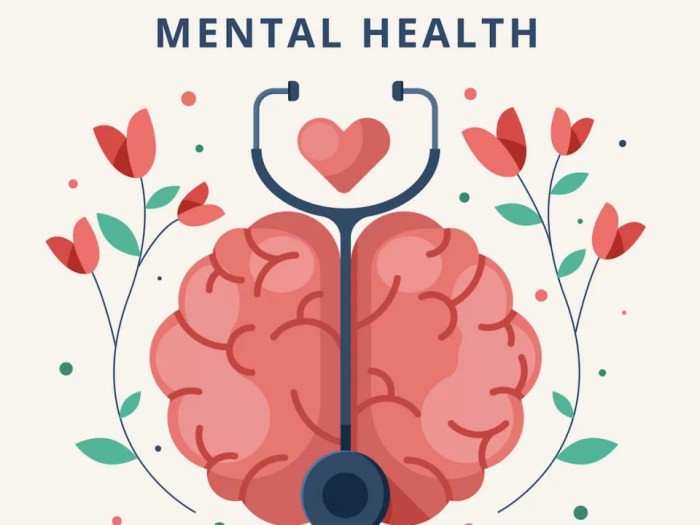
Importance of mental health in a healthy lifestyle sets the foundation for a balanced life, intertwining the mind and body in ways that impact overall well-being. Dive into the intricate relationship between mental health and a healthy lifestyle as we explore key aspects that contribute to a harmonious existence.
Balanced Diet
Eating a balanced diet is crucial for maintaining good mental health. The nutrients we consume directly impact our brain function, mood, and overall well-being. When we fuel our bodies with the right nutrients, we are better equipped to handle stress, regulate emotions, and maintain mental clarity.
Examples of Nutrient-Rich Foods for Mental Wellness:
- Fatty fish like salmon, rich in omega-3 fatty acids, can help reduce symptoms of depression and anxiety.
- Leafy greens such as spinach and kale are high in folate, which is essential for neurotransmitter function and mood regulation.
- Whole grains like quinoa and brown rice provide a steady source of energy for the brain, promoting focus and concentration.
- Nuts and seeds, such as almonds and flaxseeds, contain antioxidants and healthy fats that support brain health and cognitive function.
Contribution of a Balanced Diet to Overall Well-Being:
Eating a balanced diet not only nourishes our bodies but also plays a significant role in our emotional balance. Nutrient-dense foods provide the building blocks for neurotransmitters, the chemical messengers in the brain that regulate mood and behavior. By consuming a variety of fruits, vegetables, lean proteins, and whole grains, we can support our mental health and enhance our overall quality of life.
Mental Wellness
Maintaining mental wellness is crucial for a healthy lifestyle as it directly impacts our overall quality of life and emotional balance. Our mental health affects how we think, feel, and act on a daily basis, making it essential to prioritize mental wellness.
Strategies for Enhancing Mental Wellness
- Practice mindfulness and meditation to reduce stress and improve mental clarity.
- Engage in regular physical exercise to boost mood and increase endorphin levels.
- Connect with loved ones and build a strong support system for emotional well-being.
- Set realistic goals and prioritize self-care to prevent burnout and maintain a healthy mindset.
- Avoid negative self-talk and practice positive affirmations to promote a healthy self-image.
Impact of Mental Health on Quality of Life
Our mental health directly influences how we cope with stress, make decisions, and interact with others. Poor mental health can lead to a range of issues such as anxiety, depression, and low self-esteem, affecting our overall quality of life and emotional balance.
Physical Fitness
Regular physical activity is not only essential for maintaining a healthy body but also plays a crucial role in promoting mental well-being. Engaging in exercise can have a positive impact on various aspects of mental health, including reducing anxiety, stress, and depression, as well as improving mood and overall cognitive function.
Examples of exercises that promote physical and mental well-being:
- Yoga: Combining physical postures, breathing techniques, and meditation, yoga helps improve flexibility, strength, and mental clarity.
- Running: Aerobic exercises like running release endorphins, known as “feel-good” hormones, which can help alleviate symptoms of depression and anxiety.
- Strength training: Building muscle through weightlifting or bodyweight exercises can boost confidence, improve body image, and enhance overall mental resilience.
Benefits of regular exercise in managing stress and improving mood:
- Stress reduction: Physical activity helps lower cortisol levels, the stress hormone, leading to a calmer mind and improved ability to cope with daily challenges.
- Mood enhancement: Exercise stimulates the production of serotonin and dopamine, neurotransmitters that play a key role in regulating mood and promoting feelings of happiness and well-being.
- Cognitive benefits: Regular exercise has been linked to better cognitive function, memory retention, and overall brain health, reducing the risk of cognitive decline as we age.
Adequate Hydration
Hydration plays a crucial role in supporting mental health, as our brain relies on proper water intake to function optimally. Dehydration can lead to cognitive impairment, mood swings, and decreased focus, affecting our overall well-being.
Tips for Staying Hydrated Throughout the Day
- Carry a reusable water bottle with you wherever you go to remind yourself to drink water regularly.
- Set reminders on your phone or use apps that track your water intake to ensure you are meeting your daily hydration goals.
- Infuse your water with fruits or herbs for added flavor to make it more enjoyable to drink.
- Drink water before meals to not only stay hydrated but also help with digestion.
Impact of Hydration on Cognitive Function and Emotional Balance
Proper hydration is essential for maintaining optimal cognitive function and emotional balance. Studies have shown that even mild dehydration can impair cognitive performance, memory, and mood. When our brain is well-hydrated, it can function efficiently, leading to improved focus, concentration, and overall mental well-being.
Regular Exercise
Regular exercise plays a crucial role in maintaining good mental well-being. Physical activity has been shown to reduce symptoms of anxiety and depression, improve mood, and increase overall feelings of well-being. Exercise also helps in managing stress and boosting self-esteem.
Guidelines for Incorporating Exercise
- Set realistic goals: Start with achievable targets and gradually increase intensity.
- Find activities you enjoy: Whether it’s jogging, dancing, or swimming, choose exercises that bring you joy.
- Make it a routine: Schedule workouts at a consistent time each day to establish a habit.
- Mix it up: Include a variety of exercises like cardio, strength training, and flexibility work for overall health benefits.
- Stay hydrated: Drink plenty of water before, during, and after exercise to stay properly hydrated.
Benefits of Different Types of Physical Activity
- Cardiovascular exercises:Running, cycling, or aerobics can improve blood flow to the brain, enhancing cognitive function and reducing the risk of mental health disorders.
- Strength training:Lifting weights or using resistance bands can boost self-confidence and improve body image, leading to better mental health.
- Yoga and Pilates:These exercises focus on mindfulness, breathing techniques, and relaxation, promoting stress reduction and mental clarity.
- Dance or Zumba:Fun and energetic, dance-based workouts can elevate mood, increase serotonin levels, and reduce anxiety.
Healthy Lifestyle
A healthy lifestyle plays a crucial role in promoting positive mental health by providing a strong foundation for emotional well-being. When individuals adopt healthy habits and practices, they are better equipped to manage stress, build resilience, and improve their overall quality of life.
Habits and Practices for Promoting a Healthy Lifestyle and Emotional Balance
Adopting the following habits and practices can help individuals maintain a healthy lifestyle and achieve emotional balance:
- Practicing mindfulness and meditation to reduce stress and enhance self-awareness.
- Engaging in regular physical activity to boost mood and reduce symptoms of anxiety and depression.
- Eating a balanced diet rich in nutrients to support brain function and overall well-being.
- Prioritizing quality sleep to improve cognitive function and mood regulation.
- Cultivating social connections and seeking support from friends and family to foster a sense of belonging and reduce feelings of isolation.
Holistic Approach to Maintaining Mental Well-being Through Lifestyle Choices
Embracing a holistic approach to mental well-being involves addressing various aspects of life, including physical, emotional, social, and spiritual dimensions. By making conscious lifestyle choices that support overall health and well-being, individuals can enhance their mental resilience and emotional balance.
Nutrient-Rich
Consuming a diet rich in nutrients is essential for maintaining good mental health. Nutrients play a crucial role in supporting cognitive function, emotional well-being, and overall mental wellness.
Beneficial Nutrients for Mental Health
- Omega-3 fatty acids: Found in fatty fish, flaxseeds, and walnuts, omega-3s are known for their positive impact on brain health and mood regulation.
- Vitamin B complex: B vitamins, including B6, B12, and folate, are important for neurotransmitter function and can help reduce symptoms of depression and anxiety.
- Antioxidants: Foods rich in antioxidants, such as berries, dark chocolate, and green leafy vegetables, can help protect the brain from oxidative stress and inflammation.
- Magnesium: Magnesium plays a role in regulating neurotransmitters and can help improve mood and reduce stress levels.
Impact of Nutrient-Rich Diet on Mental Wellness
A diet rich in nutrients can have a significant impact on mental wellness. Consuming a variety of nutrient-dense foods can help improve mood, enhance cognitive function, reduce the risk of mental health disorders, and promote overall well-being. By providing the brain with the necessary building blocks and energy it needs to function optimally, a nutrient-rich diet can contribute to better mental health outcomes.
Stress Management
Effective stress management is crucial for maintaining good mental health and overall well-being. When stress levels are high and not properly managed, it can lead to various mental health issues such as anxiety and depression. Here are some strategies for managing stress in daily life and promoting emotional balance:
Mindfulness and Meditation
- Practice mindfulness by being present in the moment and focusing on your thoughts and feelings without judgment.
- Engage in meditation techniques to calm the mind, reduce stress, and promote relaxation.
- Take deep breaths and practice deep breathing exercises to center yourself during stressful situations.
Physical Activity
- Regular exercise can help reduce stress levels by releasing endorphins, the body’s natural stress relievers.
- Engage in activities you enjoy, such as yoga, walking, or dancing, to help alleviate stress and improve mood.
- Set aside time for physical activity each day to prioritize your mental well-being.
Healthy Lifestyle Choices
- Eat a balanced diet rich in nutrients to fuel your body and mind, which can help combat stress and promote emotional well-being.
- Get an adequate amount of sleep each night to allow your body to rest and recharge, reducing stress levels and improving mental clarity.
- Avoid unhealthy coping mechanisms such as excessive alcohol consumption or smoking, as they can increase stress levels in the long run.
Social Support and Connection
- Seek support from friends, family, or a therapist to talk about your feelings and experiences, which can help reduce stress and improve mental health.
- Connect with others through social activities, hobbies, or volunteering to build a strong support system and foster positive relationships.
- Engage in meaningful conversations and interactions to feel connected and supported, reducing feelings of isolation and stress.
Preventive Care
Maintaining good mental health requires a proactive approach, and preventive care plays a crucial role in achieving this goal. By focusing on early intervention and regular check-ups, individuals can address potential mental health issues before they escalate.
Importance of Early Intervention
Early intervention is key to preventing mental health concerns from worsening. By seeking help at the first signs of distress, individuals can receive timely support and guidance to manage their mental well-being effectively.
- Regularly consulting with a mental health professional can help identify any underlying issues and develop a personalized treatment plan.
- Engaging in therapy or counseling sessions can provide valuable coping strategies and techniques to address stressors and challenges.
- Participating in support groups or peer-led discussions can create a sense of community and connection, reducing feelings of isolation.
Incorporating Preventive Care Practices
To incorporate preventive care practices into a healthy lifestyle, individuals can adopt various strategies to prioritize their mental well-being on a daily basis.
- Establishing a routine for self-care activities such as meditation, mindfulness, or relaxation exercises can promote emotional resilience and reduce anxiety.
- Engaging in regular physical activity, such as yoga, walking, or dancing, can boost mood and alleviate symptoms of depression.
- Maintaining a balanced diet rich in nutrients and vitamins can support brain health and cognitive function, contributing to overall mental wellness.
Proper Nutrition
Proper nutrition plays a crucial role in maintaining good mental health. The food we eat provides essential nutrients that support brain function, emotional well-being, and cognitive health.
Foods for Brain Function and Emotional Well-being
- Fatty fish such as salmon, sardines, and mackerel are rich in omega-3 fatty acids, which are essential for brain health and can help improve mood.
- Dark leafy greens like spinach and kale contain antioxidants and vitamins that protect the brain from oxidative stress and inflammation.
- Berries such as blueberries, strawberries, and blackberries are high in antioxidants that may help reduce stress and improve cognitive function.
- Nuts and seeds like walnuts, almonds, and flaxseeds are good sources of healthy fats, vitamins, and minerals that support brain health.
Impact of a Well-balanced Diet on Cognitive Health
A well-balanced diet that includes a variety of fruits, vegetables, whole grains, lean proteins, and healthy fats can provide the necessary nutrients for optimal brain function and cognitive performance.
By consuming a nutrient-rich diet, individuals can enhance their memory, focus, concentration, and overall mental well-being. Nutrients like vitamins B, C, E, and minerals like zinc, magnesium, and iron play a vital role in supporting cognitive health.
Quality Sleep
Quality sleep plays a crucial role in maintaining good mental wellness. It is during sleep that our bodies repair and regenerate, and our brains process information and emotions. Lack of quality sleep can lead to mood swings, cognitive impairment, and increased stress levels.
Tips for Improving Sleep Hygiene
- Establish a consistent sleep schedule by going to bed and waking up at the same time every day, even on weekends.
- Create a relaxing bedtime routine to signal to your body that it’s time to wind down, such as taking a warm bath or reading a book.
- Avoid electronic devices and screens at least an hour before bed, as the blue light can disrupt your body’s natural sleep-wake cycle.
- Keep your bedroom cool, dark, and quiet to create an optimal sleep environment.
- Avoid caffeine and heavy meals close to bedtime, as they can interfere with your ability to fall asleep.
Relationship Between Sleep Patterns and Emotional Balance
Quality sleep is closely linked to emotional balance. When we are well-rested, we are better equipped to handle stress, regulate our emotions, and make sound decisions. On the other hand, chronic sleep deprivation can lead to irritability, mood swings, and heightened emotional reactivity.
By prioritizing quality sleep, we can support our mental wellness and overall well-being.
Cardio Health
Cardiovascular health plays a crucial role in maintaining overall well-being, including mental health. The connection between cardio health and mental wellness is significant, as regular cardiovascular exercise can have positive effects on emotional balance and stress reduction.
Benefits of Cardiovascular Exercises
- Improved blood circulation: Cardio exercises like running, swimming, or cycling can enhance blood flow to the brain, promoting mental clarity and cognitive function.
- Release of endorphins: Engaging in activities such as brisk walking or aerobics can trigger the release of endorphins, also known as “feel-good” hormones, which can help reduce feelings of anxiety and depression.
- Stress reduction: Cardio workouts can act as a natural stress reliever by lowering cortisol levels and promoting relaxation, leading to better emotional balance.
Immune Boost
Boosting the immune system plays a crucial role in promoting mental health. A strong immune system can help reduce inflammation in the body, which has been linked to mental health conditions like depression and anxiety. By supporting our immune health, we can positively impact our emotional well-being and overall mental wellness.
Practices and Habits for Immune Health and Emotional Well-being
- Adequate nutrition: Consuming a balanced diet rich in fruits, vegetables, whole grains, lean proteins, and healthy fats can provide essential nutrients to support immune function.
- Regular exercise: Engaging in physical activity can help strengthen the immune system and improve mood by releasing endorphins, the body’s natural feel-good chemicals.
- Stress management: Chronic stress can weaken the immune system and negatively impact mental health. Practices like mindfulness, meditation, and deep breathing exercises can help reduce stress levels.
- Quality sleep: Prioritizing restful sleep is vital for immune function and emotional well-being. Aim for 7-9 hours of sleep per night to support overall health.
Link Between Strong Immune System and Mental Wellness
- Reduced inflammation: A robust immune system can help lower inflammation levels in the body, which is associated with improved mental health outcomes.
- Enhanced mood: When the immune system is functioning well, it can positively impact neurotransmitters in the brain, leading to better mood regulation and emotional balance.
- Improved resilience: A strong immune system can help the body better cope with stress and adversity, contributing to greater mental resilience and well-being.
Positive Mindset
Maintaining a positive mindset is crucial for overall mental health and well-being. It involves cultivating a hopeful and optimistic outlook on life, even in the face of challenges and setbacks. A positive mindset can help reduce stress, improve emotional balance, and enhance resilience.
Strategies for Cultivating a Positive Outlook
- Practice gratitude: Regularly take time to appreciate the good things in your life.
- Avoid negative self-talk: Replace self-criticism with self-compassion and positive affirmations.
- Surround yourself with positive influences: Spend time with supportive and uplifting people.
- Engage in activities that bring you joy: Pursue hobbies and interests that make you happy.
- Practice mindfulness and meditation: Stay present in the moment and focus on the positive aspects of your life.
Benefits of a Positive Mindset
- Improved mental health: A positive mindset can reduce symptoms of anxiety and depression.
- Enhanced resilience: Positive individuals are better able to bounce back from adversity.
- Better relationships: Optimism and positivity can strengthen connections with others.
- Increased motivation: A positive outlook can fuel motivation and drive towards goals.
- Physical health benefits: Studies have shown that a positive mindset can lead to better physical health outcomes.
- Improved Cognitive Function: Clean eating provides essential nutrients that support brain health, enhancing cognitive function and mental clarity.
- Enhanced Emotional Well-being: Nutrient-rich foods can positively impact mood and emotional well-being, contributing to a more stable mental state.
- Reduced Inflammation: Clean eating can help reduce inflammation in the body, which is linked to various mental health conditions.
- Consuming a variety of fruits and vegetables daily to ensure a wide range of vitamins and minerals.
- Incorporating lean proteins such as poultry, fish, and legumes into meals for sustained energy levels.
- Opting for whole grains like quinoa, brown rice, and oats to provide fiber and essential nutrients.
- Avoiding processed foods high in added sugars, unhealthy fats, and artificial ingredients.
- Regular physical activity releases endorphins, also known as “feel-good” hormones, which can help alleviate symptoms of anxiety and depression.
- Engaging in daily activities provides a sense of accomplishment and purpose, leading to increased feelings of satisfaction and happiness.
- Maintaining an active lifestyle can improve sleep quality, reduce fatigue, and enhance cognitive abilities, such as concentration and memory.
- Walking or jogging in the park
- Yoga or meditation sessions
- Gardening or engaging in a hobby
- Dancing or participating in a group exercise class
- Yoga and meditation: These practices promote relaxation, reduce stress, and enhance self-awareness, contributing to emotional balance.
- Aromatherapy: The use of essential oils can help improve mood, reduce anxiety, and create a sense of calmness.
- Acupuncture: This traditional Chinese medicine technique can help balance energy flow in the body, leading to emotional harmony.
- Integrative therapy: Combining conventional and alternative therapies such as counseling, mindfulness, and nutrition to address mental health issues comprehensively.
- Herbal remedies: Natural herbs like St. John’s Wort and Valerian root can support emotional well-being and alleviate symptoms of anxiety and depression.
- Energy healing: Practices like Reiki or crystal healing can help restore balance to the body’s energy centers, promoting mental clarity and emotional stability.
- Start your day with a few minutes of deep breathing or meditation to center yourself.
- Practice mindful eating by savoring each bite, paying attention to flavors and textures.
- Engage in activities like yoga or tai chi that emphasize mindfulness and body awareness.
- Take short breaks throughout the day to focus on your breathing and bring yourself back to the present moment.
- Improved focus and concentration, leading to better productivity.
- Reduced symptoms of depression and anxiety by promoting a sense of calm.
- Enhanced self-awareness and emotional regulation for better relationships.
- Increased resilience to stress and challenging situations.
- Practice mindfulness and self-awareness to identify and understand your emotions.
- Engage in activities that bring you joy and relaxation, such as hobbies or spending time in nature.
- Develop healthy coping mechanisms for stress, such as deep breathing exercises or journaling.
- Seek support from loved ones or a mental health professional when needed.
- Acknowledge and accept your feelings without judgment, allowing yourself to experience emotions fully.
- Health education programs in schools and communities can teach individuals about the importance of mental wellness and how to maintain a healthy mind.
- Workshops and seminars focusing on stress management, mindfulness, and emotional balance can help individuals develop coping strategies and resilience.
- Online resources and campaigns can raise awareness about mental health issues, provide information on available services, and encourage seeking help when needed.
- Peer support groups that offer a safe space for individuals to share experiences and learn from one another.
- Mental health first aid training programs that teach participants how to recognize and respond to mental health crises.
- Public awareness campaigns that aim to reduce stigma and increase understanding of mental health conditions.
- By educating individuals about mental health, we can create a more informed and empathetic society that supports those struggling with mental health challenges.
- Early intervention and prevention efforts can be enhanced through education, leading to better outcomes for individuals experiencing mental health issues.
- Increased awareness and knowledge about mental health can help reduce discrimination and promote a culture of acceptance and support for all individuals.
- Engage in activities that bring you joy, such as hobbies or spending time with loved ones.
- Practice mindfulness and meditation to reduce stress and anxiety.
- Ensure you are getting enough rest and relaxation to recharge your mind and body.
- Set boundaries and learn to say no to activities or commitments that drain your energy.
- Diabetes: Managing blood sugar levels and potential complications can be overwhelming, leading to increased stress and anxiety.
- Heart Disease: Dealing with lifestyle changes, medication regimes, and the fear of heart-related events can impact emotional well-being.
- Arthritis: Chronic pain, limited mobility, and the need for assistance with daily activities can contribute to feelings of depression and anxiety.
Clean Eating
Eating clean involves consuming whole, unprocessed foods that are nutrient-dense and free from additives or artificial ingredients. This approach to nutrition emphasizes the importance of fueling our bodies with high-quality foods to support overall health and well-being.
Benefits of Clean Eating
Examples of Clean Eating Practices, Importance of mental health in a healthy lifestyle
Impact on Mental Wellness
A clean diet can have a profound impact on mental wellness by providing the necessary nutrients for optimal brain function and emotional balance.
By prioritizing clean eating, individuals may experience improved focus, reduced stress levels, and better overall mental health.
Daily Activity
Engaging in daily activities plays a crucial role in promoting mental well-being. These activities help reduce stress, improve mood, boost self-esteem, and enhance overall cognitive function.
Benefits of Daily Activity for Mental Health
Examples of Daily Activities for Emotional Balance
Importance of Staying Active for Mental Health
Staying active is essential for maintaining good mental health as it helps regulate mood, reduce feelings of stress and anxiety, and improve overall quality of life. By incorporating daily activities into your routine, you can effectively manage your mental well-being and lead a healthier, happier life.
Holistic Health: Importance Of Mental Health In A Healthy Lifestyle
Holistic health focuses on the interconnectedness of the mind, body, and spirit to achieve overall well-being. In relation to mental wellness, holistic health principles emphasize the importance of addressing emotional, physical, and spiritual aspects to maintain a healthy mind.
Holistic Practices for Emotional Balance
Holistic Approach to Mental Health Care
Mindful Living
Mindful living involves being fully present in the moment, paying attention to your thoughts and feelings without judgment. This practice can have a significant impact on mental health by reducing stress, anxiety, and negative emotions.
Techniques for Practicing Mindfulness
Benefits of Mindfulness
Emotional Balance
Maintaining emotional balance is crucial for good mental health as it allows individuals to navigate through life’s challenges with resilience and positivity. When emotions are managed effectively, it can lead to improved overall well-being and a sense of inner peace.
Strategies for Achieving Emotional Balance
Impact of Emotional Well-being on Mental Wellness
Emotional well-being plays a significant role in overall mental wellness by influencing how individuals perceive and respond to the world around them. When emotions are balanced, it can lead to better decision-making, healthier relationships, and a more positive outlook on life.
Prioritizing emotional balance can contribute to long-term mental health and overall quality of life.
Health Education
Health education plays a crucial role in promoting mental health awareness by providing individuals with knowledge and skills to understand, manage, and improve their mental well-being. Through education, people can learn to recognize signs of mental health issues, access resources for support, and reduce stigma surrounding mental illness.
Role of Health Education in Promoting Mental Health Awareness
Examples of Health Education Initiatives for Mental Wellness
Importance of Educating Individuals about Mental Health
Self-Care
Self-care plays a crucial role in maintaining good mental health. It involves taking deliberate actions to care for your physical, emotional, and psychological well-being. By incorporating self-care practices into your daily routine, you can improve your overall quality of life and reduce stress levels.
Significance of Self-Care for Mental Well-Being
Self-care practices are essential for promoting emotional balance and mental wellness. By engaging in activities that prioritize self-care, individuals can better manage stress, improve their mood, and enhance their resilience to life’s challenges. Taking time for yourself and engaging in activities that bring you joy and relaxation can have a profound impact on your mental health.
Impact of Self-Care on Maintaining Good Mental Health
Self-care is essential for maintaining good mental health as it allows individuals to prioritize their well-being and address their emotional needs. By incorporating self-care practices into your routine, you can reduce feelings of burnout, improve your overall mood, and enhance your ability to cope with daily stressors.
Taking care of yourself is not selfish but rather a necessary step in maintaining a healthy and balanced lifestyle.
Chronic Disease
Chronic diseases are long-term conditions that require ongoing management and care. These health issues can have a significant impact on mental health, as they often come with physical symptoms, limitations, and emotional challenges.
Relationship between Chronic Disease and Mental Health
Chronic diseases can lead to feelings of stress, anxiety, depression, and isolation. The constant management of symptoms, doctor visits, and lifestyle adjustments can take a toll on emotional well-being. Additionally, the fear of worsening health, financial strain, and social stigma associated with certain conditions can further exacerbate mental health issues.
Importance of Managing Chronic Diseases for Mental Wellness
Proper management of chronic diseases is crucial for overall mental wellness. By effectively controlling symptoms, following treatment plans, and making healthy lifestyle choices, individuals can experience improved emotional balance and quality of life. Seeking support from healthcare providers, counselors, and support groups can also play a significant role in managing the emotional aspects of chronic conditions.
Ultimate Conclusion
In conclusion, prioritizing mental health within a healthy lifestyle is a transformative journey that leads to improved quality of life and emotional equilibrium. By embracing the significance of mental well-being, individuals can pave the way for a fulfilling and vibrant existence.
FAQ Corner
How does mental wellness impact overall quality of life?
Mental wellness plays a crucial role in enhancing the quality of life by promoting emotional balance and resilience in the face of challenges.
What are some effective strategies for managing stress through a healthy lifestyle?
Strategies such as regular exercise, mindfulness practices, and proper nutrition can help manage stress levels and improve mental well-being.


