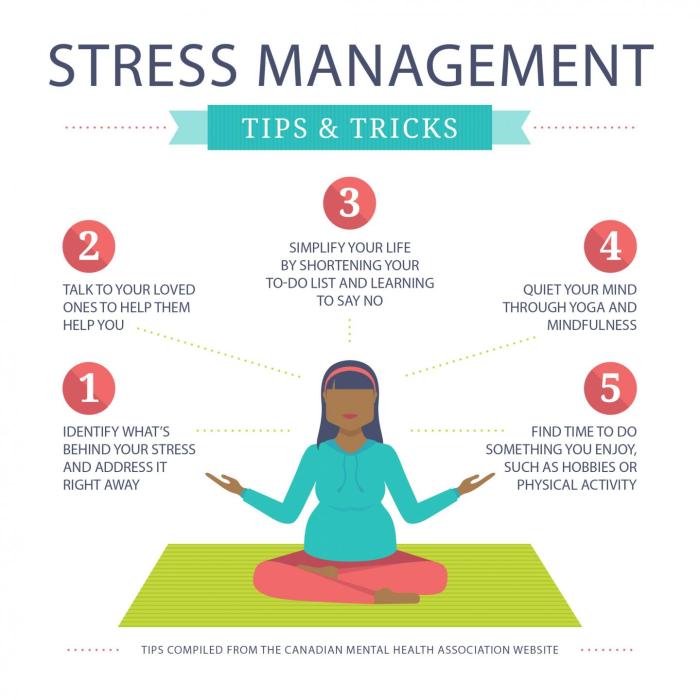
Kicking off with Stress management tips for parents with young children, this guide offers valuable insights on maintaining a healthy lifestyle while navigating the challenges of parenting. From balanced diets to mental wellness strategies, discover effective ways to reduce stress and enhance overall well-being.
Balanced Diet
Maintaining a balanced diet is crucial for parents with young children as it not only impacts their own health but also sets a good example for their kids. A nutritious diet can help in managing stress levels and improving overall well-being.
Nutrient-Rich Foods to Include
- Leafy greens such as spinach and kale are packed with vitamins and minerals that can boost energy levels and improve mood.
- Lean proteins like chicken, fish, and tofu provide essential amino acids that support brain function and help in coping with stress.
- Whole grains such as quinoa, brown rice, and oats are rich in fiber and can help stabilize blood sugar levels, preventing energy crashes.
- Fruits like berries, oranges, and bananas are loaded with antioxidants and vitamins that strengthen the immune system and combat stress.
- Healthy fats from sources like avocados, nuts, and seeds support brain health and can aid in reducing anxiety.
Impact of Diet on Stress Levels
A diet rich in nutrient-dense foods can have a direct impact on stress levels. Consuming a variety of fruits, vegetables, lean proteins, and whole grains can provide the body with essential nutrients that support mental and physical well-being. On the other hand, a diet high in processed foods, sugar, and unhealthy fats can lead to inflammation, fatigue, and increased stress levels.
Mental Wellness
Parenting young children can be overwhelming, leading to increased stress and anxiety. Maintaining mental wellness is crucial for parents to navigate these challenges effectively.Incorporating mindfulness practices into daily routines can significantly help in managing stress and promoting mental well-being. Here are some tips for parents to incorporate mindfulness into their busy schedules:
Mindfulness Practices for Parents
- Start the day with a few minutes of deep breathing or meditation to set a positive tone for the day.
- Practice being present in the moment while engaging with your children, focusing on the sights, sounds, and interactions around you.
- Take short breaks throughout the day to check in with yourself and practice self-awareness.
- Engage in activities that bring you joy and relaxation, such as reading a book, going for a walk, or listening to music.
- Practice gratitude by reflecting on the positive aspects of your day and expressing appreciation for the little moments of joy.
By incorporating these mindfulness practices into daily routines, parents can improve their mental well-being, reduce stress levels, and enhance their overall quality of life. Remember, taking care of your mental health is essential for effective parenting and creating a harmonious family environment.
Physical Fitness: Stress Management Tips For Parents With Young Children
Physical fitness plays a crucial role in reducing stress levels for parents with young children. Engaging in regular exercise not only benefits physical health but also has a positive impact on mental well-being.
Easy Exercises at Home
- Family Dance Party: Put on some music and dance around the living room with your children. It’s a fun way to get moving and release stress.
- Yoga for All: Practice simple yoga poses together with your kids. It can help improve flexibility, strength, and relaxation.
- Obstacle Course: Set up a mini obstacle course in your backyard or living room. This activity promotes physical activity and bonding time with your children.
Connection between Physical Activity and Stress Levels
Regular physical activity has been shown to reduce stress, anxiety, and depression. Exercise releases endorphins, which are known as “feel-good” hormones that can help elevate mood and combat stress. By incorporating exercise into your routine, you can better manage the daily stresses of parenting and improve your overall well-being.
Adequate Hydration
Staying hydrated is essential for managing stress, as dehydration can exacerbate feelings of anxiety and tension. It is crucial for parents to prioritize adequate hydration to support their overall well-being and ability to cope with daily challenges.
Importance of Hydration
- Water plays a vital role in regulating body temperature and maintaining bodily functions.
- Proper hydration can help improve cognitive function and concentration, reducing feelings of fatigue and irritability.
- Drinking enough water can enhance mood and reduce the impact of stress on the body.
Tips for Ensuring Adequate Hydration
- Carry a reusable water bottle with you throughout the day to remind yourself to drink water regularly.
- Set specific goals for water intake, such as drinking a certain amount by lunchtime and the end of the workday.
- Infuse water with fruits or herbs for added flavor to make it more enjoyable to drink.
- Include hydrating foods in your diet, such as fruits and vegetables with high water content.
Impact on Overall Health
- Proper hydration supports digestion, nutrient absorption, and detoxification processes in the body.
- Drinking enough water can help prevent headaches, muscle cramps, and fatigue.
- Hydration is crucial for maintaining healthy skin, joints, and organs, promoting overall wellness.
Regular Exercise
Regular exercise plays a crucial role in reducing stress levels for parents with young children. Not only does it benefit physical health, but it also has a positive impact on mental well-being.
Benefits of Regular Exercise
Regular exercise helps to reduce the production of stress hormones such as cortisol, while promoting the release of endorphins, which are known as “feel-good” hormones. This leads to a decrease in feelings of anxiety and depression, ultimately improving overall mood and reducing stress levels significantly.
Creative Ways to Incorporate Exercise
- Take family walks or bike rides in the evening to unwind and spend quality time together.
- Join a parent-child exercise class or group to make working out a fun and social activity.
- Utilize workout videos or apps that offer quick and effective workouts that can be done at home while the kids are napping or playing.
- Turn household chores into a workout by adding some extra movement or intensity to tasks like vacuuming, gardening, or cleaning.
- Include the kids in your exercise routine by playing active games like tag, hide and seek, or dancing together.
Positive Effects of Exercise on Physical and Mental Health
Regular exercise not only helps in maintaining a healthy weight and improving cardiovascular health but also boosts energy levels, enhances sleep quality, and increases overall feelings of well-being. From a mental health perspective, exercise can improve cognitive function, reduce symptoms of anxiety and depression, and enhance self-esteem and confidence.
By incorporating regular physical activity into their routine, parents can better manage stress and feel more equipped to handle the challenges of parenting.
Healthy Lifestyle
Living a healthy lifestyle as a parent with young children involves making conscious choices that prioritize physical, mental, and emotional well-being for both you and your family. By incorporating positive habits into your daily routine, you can create a nurturing environment that promotes overall health and reduces stress levels.
Habits for a Healthy Lifestyle
- Establishing a consistent sleep schedule for yourself and your children to ensure adequate rest and rejuvenation.
- Preparing nutritious meals and snacks that are balanced and provide essential nutrients for optimal health.
- Incorporating regular physical activity into your routine, such as family walks, bike rides, or playtime at the park.
- Practicing mindfulness and relaxation techniques to manage stress and promote emotional well-being.
- Maintaining open communication with your partner and children to foster strong relationships and a supportive family dynamic.
Benefits of a Healthy Lifestyle in Stress Management
By adopting a healthy lifestyle, parents can effectively manage stress and improve their overall well-being. Prioritizing self-care and wellness not only sets a positive example for your children but also equips you with the resilience and energy needed to navigate the challenges of parenting.
When you take care of your physical, mental, and emotional health, you are better equipped to handle the demands of daily life and respond to stressors in a more balanced and effective manner.
Nutrient-Rich
It is crucial for parents to consume a diet rich in nutrients to effectively manage stress and maintain overall well-being. Nutrient-rich foods provide the necessary vitamins, minerals, and antioxidants that help the body cope with stress and boost the immune system.
Examples of Nutrient-Rich Foods
Here are some examples of nutrient-rich foods that can be beneficial for parents in managing stress:
- Fatty fish like salmon and mackerel, which are rich in omega-3 fatty acids that help reduce stress and anxiety.
- Leafy greens such as spinach and kale, which are packed with magnesium that helps regulate cortisol levels.
- Nuts and seeds like almonds and pumpkin seeds, which are high in vitamin E and B vitamins that aid in stress reduction.
- Whole grains like quinoa and brown rice, which are rich in complex carbohydrates that can boost serotonin levels and promote relaxation.
- Berries such as blueberries and strawberries, which are loaded with antioxidants that protect the body from stress-induced damage.
Role of Vitamins and Minerals
Vitamins and minerals play a crucial role in stress management as they support various bodily functions and help combat the negative effects of stress. Some key vitamins and minerals include:
- Vitamin C:Helps reduce cortisol levels and strengthens the immune system.
- Vitamin B Complex:Supports energy production and aids in the regulation of mood.
- Magnesium:Helps relax muscles and calm the nervous system, reducing stress and anxiety.
- Zinc:Supports the immune system and helps combat the effects of stress on the body.
Stress Management
Effective stress management is crucial for parents with young children to maintain their well-being and provide a positive environment for their family. By implementing strategies to identify and cope with stressors, parents can improve their overall health and quality of life.
Strategies for Effective Stress Management
- Practice mindfulness and relaxation techniques such as deep breathing, meditation, or yoga to reduce stress levels.
- Set boundaries and prioritize tasks to avoid feeling overwhelmed by daily responsibilities.
- Engage in hobbies or activities that bring joy and relaxation, providing a break from parental duties.
- Seek support from friends, family, or a therapist to discuss emotions and concerns openly.
Identifying and Coping with Stressors
- Recognize signs of stress, such as irritability, fatigue, or changes in sleep patterns, to address issues promptly.
- Communicate openly with your partner or co-parent about shared responsibilities and concerns to prevent conflicts.
- Establish a routine for self-care, including adequate sleep, healthy eating, and regular exercise to boost resilience against stress.
- Acknowledge limitations and seek help when needed, delegating tasks or asking for assistance from others when feeling overwhelmed.
Long-Term Benefits of Stress Management
- Improved mental health and emotional well-being, leading to a more positive outlook on parenting and life in general.
- Enhanced physical health by reducing the risk of chronic conditions associated with prolonged stress, such as heart disease or hypertension.
- Stronger relationships with children and family members, fostering a supportive and harmonious home environment.
- Increased productivity and effectiveness in daily tasks, benefiting both parents and children in their daily routines.
Preventive Care
Preventive care plays a crucial role in reducing stress levels for parents with young children. By taking proactive steps to maintain good health, parents can prevent potential health issues that may contribute to stress.
Regular Check-ups and Screenings
Regular check-ups and screenings are essential for parents to stay on top of their health status. These preventive measures can help detect any potential health concerns early on, allowing for timely intervention and treatment.
- Make sure to schedule annual check-ups with your healthcare provider to monitor your overall health and well-being.
- Follow recommended screening guidelines for conditions such as high blood pressure, cholesterol, and diabetes to catch any issues before they escalate.
- Don’t forget about preventive screenings such as mammograms, Pap smears, and colonoscopies, which are vital for early detection of serious illnesses.
Proactive Health Management
Being proactive in managing your health is key to preventing stress-related issues. By adopting healthy habits and lifestyle choices, parents can reduce the risk of developing health problems that may lead to stress.
- Focus on maintaining a balanced diet rich in nutrient-dense foods to support overall health and well-being.
- Prioritize mental wellness through activities like meditation, yoga, or therapy to manage stress and promote emotional well-being.
- Stay physically active by incorporating regular exercise into your routine to boost energy levels and reduce stress.
- Ensure adequate hydration by drinking plenty of water throughout the day to support proper bodily functions and overall health.
Proper Nutrition
Proper nutrition plays a crucial role in managing stress levels, especially for parents with young children. A well-balanced meal plan can provide the necessary nutrients to support overall health and well-being, contributing to a better ability to cope with daily stressors.
Impact of Proper Nutrition on Stress Levels
Maintaining a diet rich in essential nutrients such as vitamins, minerals, and antioxidants can help regulate hormones and neurotransmitters involved in stress response. For example, foods high in omega-3 fatty acids, like salmon and walnuts, have been linked to lower levels of cortisol, a stress hormone.
Additionally, consuming complex carbohydrates found in whole grains can boost serotonin levels, promoting a sense of calm and relaxation.
Creating a Well-Balanced Meal Plan for Parents
- Include a variety of fruits and vegetables to ensure a diverse range of vitamins and minerals.
- Incorporate lean proteins such as poultry, fish, beans, and nuts for sustained energy levels.
- Opt for whole grains like brown rice, quinoa, and oats to support brain function and mood regulation.
- Limit processed foods high in sugar and unhealthy fats, as they can contribute to mood swings and energy crashes.
Link Between Nutritional Deficiencies and Increased Stress
Nutritional deficiencies can exacerbate stress levels by impairing the body’s ability to cope with daily demands. For instance, inadequate intake of vitamin B complex, magnesium, and vitamin C has been associated with heightened anxiety and fatigue. By addressing these deficiencies through a balanced diet and possibly supplementation, parents can better equip themselves to manage stress effectively.
Quality Sleep
Quality sleep is crucial for parents with young children as it plays a vital role in overall health and well-being. Adequate rest is essential for managing stress levels, improving cognitive function, and maintaining a healthy immune system. Parents need to prioritize getting enough quality sleep to effectively navigate the demands of parenting.
Tips for Improving Sleep Hygiene
- Establish a bedtime routine: Create a relaxing pre-sleep routine to signal to your body that it’s time to wind down.
- Create a comfortable sleep environment: Invest in a good mattress, pillows, and bedding to ensure a restful night’s sleep.
- Avoid screens before bedtime: Blue light from screens can disrupt your body’s natural sleep-wake cycle, so aim to disconnect at least an hour before bed.
- Limit caffeine and heavy meals: Avoid consuming caffeine and heavy meals close to bedtime as they can interfere with your ability to fall asleep.
- Practice relaxation techniques: Engage in activities like meditation, deep breathing, or gentle yoga to relax your mind and body before sleep.
Effects of Sleep Deprivation
-
Sleep deprivation can lead to increased stress levels, irritability, and difficulty concentrating, making it harder to cope with the demands of parenting.
-
Chronic sleep deprivation has been linked to a variety of health issues, including obesity, heart disease, and weakened immune function.
-
Getting quality sleep is essential for parents to recharge, stay mentally sharp, and maintain a positive outlook when caring for their young children.
Cardio Health
Regular cardiovascular exercise plays a crucial role in stress management for parents with young children. Not only does it help release endorphins, the body’s natural mood lifters, but it also promotes better blood circulation, reduces anxiety, and improves overall mental well-being.
Benefits of Cardiovascular Exercise for Stress Management
- Cardiovascular exercise helps reduce stress hormones like cortisol and adrenaline, leading to a decrease in anxiety and tension.
- It promotes better sleep quality, which is essential for managing stress levels effectively.
- Regular cardio workouts can improve cognitive function and focus, helping parents stay calm and composed in challenging situations.
Cardio Workouts for Busy Parents
- High-Intensity Interval Training (HIIT) sessions lasting 20-30 minutes can be effective for burning calories and improving cardiovascular health in a short amount of time.
- Brisk walking or jogging around the neighborhood while pushing a stroller can be a convenient way to incorporate cardio into daily routines.
- Dancing to upbeat music with your children can be a fun and engaging cardio workout that the whole family can enjoy together.
Contribution of Cardio Health to Overall Well-being
- Improved cardiovascular health through regular exercise reduces the risk of heart disease, stroke, and other chronic illnesses.
- Enhanced endurance and stamina from cardio workouts can help parents keep up with the demands of parenting and daily life more effectively.
- Overall, maintaining good cardio health through exercise contributes to a healthier, happier, and more resilient mindset when facing the challenges of parenthood.
Immune Boost
Having a strong immune system is crucial for parents, especially when dealing with the daily stresses of parenting. A healthy immune system can help parents manage stress better by reducing the risk of getting sick and improving overall well-being.
Immune-Boosting Foods and Habits
It is important for parents to incorporate immune-boosting foods and habits into their daily routine to support their immune system. Some of these include:
- Eating a diet rich in fruits, vegetables, whole grains, and lean proteins.
- Getting regular exercise to strengthen the immune system.
- Practicing good hygiene, such as washing hands frequently.
- Getting plenty of sleep to allow the body to rest and repair.
Relationship Between Immunity and Stress Resilience
Research has shown that there is a strong connection between immunity and stress resilience. Chronic stress can weaken the immune system, making individuals more susceptible to illness. By maintaining a healthy immune system, parents can improve their ability to cope with stress and stay healthy.
Positive Mindset
Having a positive mindset as a parent can significantly impact your stress levels and how you navigate the challenges of parenting. Cultivating positivity not only benefits your own mental well-being but also sets a positive example for your children. Here are some tips for maintaining a positive outlook during stressful times:
Techniques for Cultivating Positivity
- Acknowledge your emotions: It’s okay to feel stressed or overwhelmed, but try to shift your focus towards finding solutions rather than dwelling on the problems.
- Practice gratitude: Take time each day to reflect on the things you are grateful for, no matter how small. This can help shift your perspective towards positivity.
- Surround yourself with positivity: Spend time with supportive friends and family members who uplift you and avoid negative influences.
- Engage in self-care: Prioritize activities that bring you joy and relaxation, whether it’s reading a book, going for a walk, or practicing mindfulness.
- Challenge negative thoughts: When negative thoughts arise, try to reframe them in a more positive light. Focus on what you can control and let go of what is beyond your power.
Clean Eating
Clean eating refers to consuming whole, unprocessed foods in their natural state while avoiding artificial ingredients, preservatives, and added sugars. This approach to nutrition focuses on nourishing the body with nutrient-dense foods that support overall health and well-being.
Benefits of Clean Eating for Parents
Adopting a clean eating lifestyle can offer numerous benefits for parents, especially in terms of stress management. By fueling your body with wholesome foods, you can improve your energy levels, enhance your mood, and reduce feelings of anxiety and overwhelm.
- Including plenty of fruits, vegetables, whole grains, and lean proteins in your diet can provide essential vitamins and minerals that support your body’s ability to cope with stress.
- Avoiding processed foods high in sugar and unhealthy fats can help stabilize blood sugar levels and prevent energy crashes that contribute to stress.
- Opting for organic and locally sourced ingredients can reduce exposure to pesticides and other harmful chemicals, promoting better overall health.
Examples of Clean Eating Habits for Stress Management
Here are some practical clean eating habits that parents can incorporate into their daily routine to promote stress management:
- Meal prepping nutritious snacks and meals in advance to avoid reaching for unhealthy options when time is limited.
- Drinking an adequate amount of water throughout the day to stay hydrated and support optimal bodily functions.
- Choosing whole foods over processed alternatives to ensure you’re getting the most nutrients from your meals.
Contribution to Overall Health and Well-being
Clean eating plays a crucial role in enhancing overall health and well-being by providing the body with essential nutrients, supporting immune function, and improving digestion. By prioritizing whole, unprocessed foods, parents can better manage stress, boost their energy levels, and set a positive example for their children when it comes to making healthy food choices.
Daily Activity
Regular physical activity is crucial for parents with young children as it not only helps in maintaining good health but also plays a significant role in managing stress levels and boosting energy. Incorporating daily physical activity into a parent’s routine can bring about a positive impact on both their physical and mental well-being.
Simple Activities for Parents and Children
Here are some simple activities that parents can do with their children to stay active and healthy:
- Take a walk or bike ride together in the neighborhood
- Play tag or hide-and-seek in the backyard or park
- Dance to music in the living room
- Do yoga or stretching exercises as a family
- Engage in sports like soccer, basketball, or frisbee
Benefits of Daily Activity
Engaging in daily physical activity can have several benefits for parents, including:
- Reduced stress levels and improved mood
- Increased energy and stamina to keep up with children
- Enhanced physical fitness and overall health
- Quality bonding time with children through shared activities
Holistic Health
Holistic health is an approach that considers the whole person
- mind, body, and spirit
- in the quest for optimal wellness. For parents, embracing holistic health means addressing all aspects of their well-being to achieve a balanced and healthy lifestyle.
Physical Health
- Engage in regular physical activity such as yoga, walking, or dancing to keep your body strong and flexible.
- Follow a balanced diet rich in nutrients to fuel your body and support overall health.
- Get enough rest and quality sleep to allow your body to recharge and recover.
Mental Health
- Practice mindfulness and meditation to reduce stress and improve mental clarity.
- Seek support from friends, family, or a therapist to address any emotional challenges you may be facing.
- Engage in activities that bring you joy and relaxation to boost your mental well-being.
Emotional Health
- Cultivate positive relationships and connections with loved ones to foster emotional support and resilience.
- Express your emotions in a healthy way through journaling, art, or talking with a trusted confidant.
- Set boundaries to protect your emotional energy and prioritize self-care to nurture your emotional health.
Mindful Living
Incorporating mindfulness into everyday life as a parent can be a powerful tool for reducing stress and promoting overall well-being. By practicing mindfulness, you can cultivate a greater sense of awareness, presence, and gratitude in your daily life.
Benefits of Mindful Living
- Reduces stress and anxiety levels
- Improves focus and concentration
- Enhances emotional regulation
- Promotes a sense of calm and inner peace
Mindfulness Techniques for Parents with Young Children
- Practice deep breathing exercises together
- Engage in mindful eating by savoring each bite of food
- Take nature walks and encourage your child to notice the sights, sounds, and smells around them
- Set aside dedicated time for quiet reflection or meditation as a family
Emotional Balance
Emotional balance plays a crucial role in managing stress as a parent. It involves being aware of and regulating your emotions effectively to cope with the demands of parenting and daily life. When parents are emotionally balanced, they are better equipped to handle challenges, make sound decisions, and nurture positive relationships with their children.
Strategies for Regulating Emotions
- Practice mindfulness: Engage in activities that help you stay present and aware of your thoughts and emotions, such as meditation or deep breathing exercises.
- Seek support: Talk to a trusted friend, family member, or therapist when you need to express your feelings and gain perspective on challenging situations.
- Set boundaries: Establish clear boundaries with your children and other family members to maintain a healthy balance between your needs and theirs.
- Engage in self-care: Prioritize activities that bring you joy and relaxation, whether it’s reading a book, taking a bath, or going for a walk.
Impact on Parenting and Stress Resilience
Emotional balance not only benefits your own well-being but also influences your parenting style and stress resilience. When you are emotionally stable, you can respond to your child’s needs with empathy, patience, and understanding. This, in turn, fosters a secure attachment and promotes positive behavior in your children.
Additionally, maintaining emotional balance enhances your ability to adapt to stressors, bounce back from setbacks, and model healthy coping strategies for your children to emulate.
Health Education
Health education plays a crucial role in helping parents manage stress by providing them with the knowledge and tools necessary to make informed decisions about their family’s well-being. By understanding the importance of maintaining a healthy lifestyle and practicing good habits, parents can better cope with the challenges of raising young children.
Resources and Tools for Parents
Here are some resources and tools that parents can utilize to learn more about health and wellness:
- Online articles and websites dedicated to parenting and health topics
- Parenting classes or workshops focused on stress management and self-care
- Books and publications on nutrition, exercise, and mental well-being
- Consultation with healthcare professionals for personalized advice and guidance
Benefits of Being Well-Informed
Being well-informed about health-related topics can bring numerous benefits to parents, such as:
- Empowering parents to make healthy choices for themselves and their children
- Reducing anxiety and stress by understanding the factors that contribute to overall well-being
- Promoting a proactive approach to preventive care and early intervention
- Building confidence in managing health-related issues that may arise within the family
Self-Care
Self-care is essential for parents with young children to prevent burnout and effectively manage stress. Taking care of yourself allows you to be the best parent you can be for your children. Here are some self-care tips tailored for parents:
Establish Boundaries
- Set aside time for yourself each day, even if it’s just a few minutes.
- Communicate your needs to your partner, family members, or friends to ensure you have time for self-care.
- Learn to say no to extra commitments or tasks that might overwhelm you.
Practice Mindfulness
- Take a few moments each day to practice deep breathing or meditation to center yourself.
- Focus on the present moment and let go of worries about the past or future.
- Engage in activities that bring you joy and help you relax, such as reading, listening to music, or going for a walk.
Prioritize Sleep and Nutrition
- Ensure you are getting enough restful sleep each night to recharge your body and mind.
- Eat a balanced diet with plenty of fruits, vegetables, lean proteins, and whole grains to fuel your body and mind.
- Stay hydrated throughout the day to maintain your energy levels and overall health.
Chronic Disease
Chronic diseases are long-term health conditions that can significantly impact a person’s quality of life. Stress plays a crucial role in the development and progression of chronic illnesses, as it can weaken the immune system, increase inflammation in the body, and contribute to unhealthy lifestyle choices.
Preventive Measures for Parents, Stress management tips for parents with young children
- Encourage a balanced diet rich in fruits, vegetables, whole grains, and lean proteins to support overall health and reduce the risk of chronic diseases.
- Promote regular exercise and physical activity to maintain a healthy weight, improve cardiovascular health, and boost immunity.
- Emphasize the importance of adequate hydration to support organ function and overall well-being.
- Teach stress management techniques such as deep breathing, mindfulness, and relaxation exercises to help parents cope with daily stressors.
- Advocate for preventive care measures such as regular health check-ups, screenings, and vaccinations to detect and address potential health issues early.
Importance of Stress Management
Stress management is essential for parents to maintain their overall health and well-being while also preventing the onset of chronic conditions. By effectively managing stress, parents can reduce their risk of developing conditions such as hypertension, diabetes, heart disease, and obesity.
Prioritizing self-care, practicing mindfulness, and seeking support when needed are key strategies in preventing the negative impact of stress on long-term health.
End of Discussion
In conclusion, implementing these stress management tips can make a significant difference in the lives of parents with young children. By prioritizing self-care and adopting healthy habits, parents can better handle the demands of parenting while staying physically and mentally strong.
Quick FAQs
How important is a balanced diet for parents with young children?
A balanced diet is crucial for parents as it provides the necessary nutrients to manage stress and maintain overall health while juggling parenting responsibilities.
What are some easy exercises parents can do at home with young children?
Simple exercises like yoga, dancing, or playing active games with children can help parents stay fit and reduce stress levels.
How does quality sleep impact stress levels for parents?
Quality sleep is essential for parents as it rejuvenates the body and mind, leading to reduced stress and improved overall health.
What is the significance of preventive care in stress management for parents?
Preventive care plays a vital role in managing stress by addressing health issues early on and promoting overall well-being for parents with young children.
How does a positive mindset help parents in managing stress?
A positive mindset enables parents to approach challenges with resilience and optimism, reducing stress levels and enhancing their ability to cope with parenting stressors.


