
Delving into Best nutrient-rich snacks for weight loss, this introduction immerses readers in a unique and compelling narrative, with a focus on the importance of choosing the right snacks to support weight loss goals. From tasty options to smart choices, this guide covers it all.
Balanced Diet
Eating a balanced diet is crucial for weight loss as it provides the necessary nutrients for the body to function optimally while supporting weight management. A balanced diet includes a variety of foods in the right proportions to ensure that the body receives essential vitamins, minerals, and macronutrients.
Examples of Nutrient-Rich Foods
Including nutrient-rich foods in your diet can help you achieve weight loss goals while supporting overall health and wellness. Some examples of nutrient-rich foods that should be included in a balanced diet are:
- Fruits and vegetables: Packed with vitamins, minerals, and antioxidants, these foods are low in calories and high in fiber, making them ideal for weight loss.
- Lean proteins: Foods like chicken, fish, tofu, and legumes provide essential amino acids for muscle growth and repair, helping to support metabolism and weight loss.
- Whole grains: Choosing whole grains like quinoa, brown rice, and oats over refined grains can help regulate blood sugar levels and keep you feeling full longer.
- Healthy fats: Incorporating sources of healthy fats such as avocados, nuts, seeds, and olive oil can help reduce inflammation and promote satiety, aiding in weight loss.
Contribution to Overall Health and Wellness
A balanced diet not only supports weight loss but also contributes to overall health and wellness by providing the body with the nutrients it needs to function optimally. By eating a variety of nutrient-rich foods in the right proportions, you can improve energy levels, boost immunity, and reduce the risk of chronic diseases like heart disease, diabetes, and obesity.
Additionally, maintaining a balanced diet can help improve mood, cognitive function, and overall quality of life.
Mental Wellness
Maintaining mental wellness is crucial for successful weight loss journey as it directly impacts our behaviors, choices, and overall wellbeing. When our mental health is in a good state, we are more likely to stay motivated, make healthier choices, and stick to our weight loss goals.
Tips for Maintaining Mental Wellness during Weight Loss
- Acknowledge and accept your feelings: It’s important to recognize and understand your emotions throughout the weight loss process. Allow yourself to feel and address any negative emotions that may arise.
- Practice self-care: Make time for activities that bring you joy and relaxation, such as meditation, yoga, reading, or spending time with loved ones.
- Seek support: Surround yourself with a strong support system of friends, family, or a therapist who can provide encouragement, guidance, and understanding.
- Set realistic goals: Avoid setting unrealistic expectations for yourself and celebrate small victories along the way to maintain a positive mindset.
Impact of Stress and Anxiety on Weight Management
Stress and anxiety can have a significant impact on weight management as they often lead to emotional eating, cravings for unhealthy foods, and disruptions in sleep patterns. Chronic stress can also increase cortisol levels in the body, which can contribute to weight gain, particularly in the abdominal area.
It’s important to address and manage stress and anxiety through healthy coping mechanisms to support your weight loss efforts.
Physical Fitness
Regular physical activity plays a crucial role in achieving weight loss goals by helping to burn calories, build muscle, and improve overall health. Combining a balanced diet with exercise can maximize weight loss results and contribute to long-term success.
Examples of Physical Activities
- Cardiovascular exercises such as running, cycling, swimming, or brisk walking can help burn calories and improve cardiovascular health.
- Strength training exercises like weightlifting or bodyweight exercises can increase muscle mass, which boosts metabolism and aids in fat loss.
- High-intensity interval training (HIIT) workouts are effective for burning calories in a short amount of time and improving overall fitness levels.
Benefits of Regular Exercise
Regular exercise not only helps in weight loss but also offers numerous health benefits:
- Improves cardiovascular health by strengthening the heart and reducing the risk of heart disease.
- Enhances mental well-being by reducing stress, anxiety, and symptoms of depression.
- Boosts energy levels and overall stamina, making daily activities easier to perform.
- Helps maintain bone density, reducing the risk of osteoporosis as you age.
Adequate Hydration: Best Nutrient-rich Snacks For Weight Loss
Staying hydrated is crucial for weight loss as it helps to boost metabolism, control appetite, and flush out toxins from the body. Dehydration can often be mistaken for hunger, leading to unnecessary calorie consumption.
Tips for Ensuring Adequate Hydration
- Carry a reusable water bottle with you throughout the day to track your water intake.
- Set reminders on your phone or use apps to prompt you to drink water regularly.
- Drink a glass of water before meals to help control portion sizes and prevent overeating.
- Infuse water with fruits or herbs for added flavor to make hydration more enjoyable.
Benefits of Drinking Water for Weight Management
- Water has zero calories, making it a great alternative to sugary drinks that can contribute to weight gain.
- Proper hydration can prevent water retention, which may lead to bloating and a temporary increase in weight.
- Drinking water before exercise can improve performance and endurance, aiding in weight loss efforts.
- Hydration is essential for proper digestion and nutrient absorption, optimizing the body’s ability to utilize nutrients for energy.
Regular Exercise
Regular exercise plays a crucial role in weight loss by helping to burn calories, increase metabolism, and build lean muscle mass. It is an essential component of a healthy lifestyle and contributes significantly to achieving weight loss goals.
Examples of Effective Exercise Routines
- Cardiovascular exercises such as running, cycling, or swimming help burn calories and improve overall fitness.
- Strength training exercises like weightlifting or bodyweight exercises help build muscle mass, which can boost metabolism.
- High-intensity interval training (HIIT) workouts combine short bursts of intense exercise with periods of rest, providing an efficient way to burn calories and improve cardiovascular health.
Importance of Consistency in Physical Activity
Regular physical activity is essential for achieving and maintaining weight loss goals. Consistency in exercise routines helps to create a calorie deficit, which is necessary for losing weight. By incorporating a variety of exercises and making physical activity a part of daily life, individuals can enhance their overall health and well-being while working towards their weight loss objectives.
Healthy Lifestyle
Adopting a healthy lifestyle is essential for successful weight loss and long-term weight management. It involves making positive choices that promote overall well-being and support your weight loss goals.
Consistent Exercise Routine
Regular physical activity is crucial for maintaining a healthy weight. Aim for at least 150 minutes of moderate-intensity exercise each week, such as brisk walking, cycling, or swimming. Incorporating strength training exercises 2-3 times a week can also help boost metabolism and build lean muscle mass.
Quality Sleep
Getting an adequate amount of quality sleep is key to weight loss and overall health. Lack of sleep can disrupt hunger hormones, leading to increased cravings and weight gain. Aim for 7-9 hours of sleep each night to support your weight loss efforts.
Stress Management
Chronic stress can contribute to weight gain by triggering emotional eating and disrupting hormone balance. Practice stress-reducing techniques such as meditation, deep breathing, yoga, or spending time in nature to promote relaxation and overall well-being.
Mindful Eating
Being mindful of your eating habits can help prevent overeating and support weight loss. Pay attention to hunger cues, eat slowly, and savor each bite. Avoid distractions while eating, such as watching TV or scrolling on your phone, to fully enjoy and appreciate your meals.
Healthy Relationships
Maintaining healthy relationships and a strong support system can positively impact your weight loss journey. Surround yourself with friends and family who encourage and motivate you to make healthy choices. Seek professional help if needed to address emotional or psychological barriers to weight loss.
Nutrient-Rich
When we refer to a snack as being nutrient-rich, we are highlighting its high content of essential vitamins, minerals, and other beneficial nutrients that contribute to overall health and well-being. These snacks not only provide energy but also support various bodily functions and help maintain a healthy weight.
Examples of Nutrient-Rich Snacks
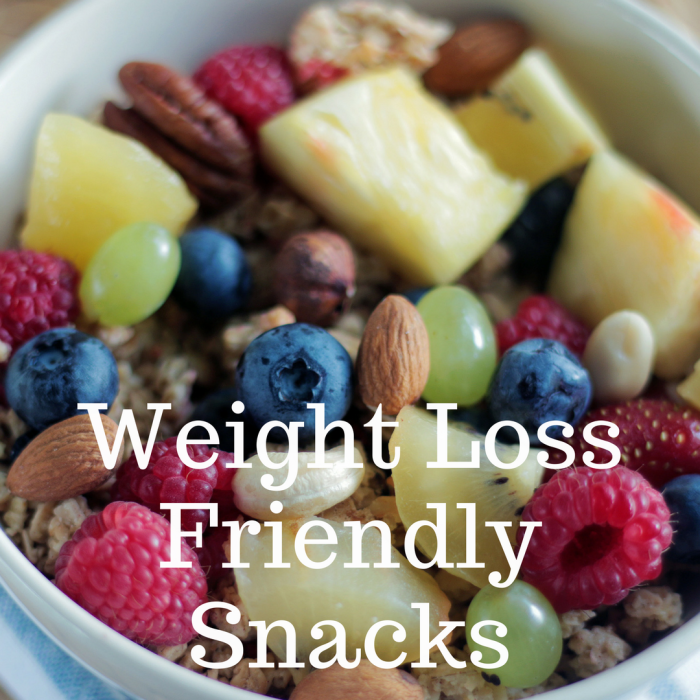
Incorporating nutrient-rich snacks into your diet can be a great way to support weight loss and promote overall health. Here are some examples of nutrient-rich snacks that are beneficial for weight loss:
- Raw nuts and seeds
- Greek yogurt with berries
- Vegetable sticks with hummus
- Hard-boiled eggs
- Edamame
Importance of Nutrient-Rich Foods
Eating a diet rich in nutrients is crucial for maintaining optimal health and well-being. Nutrient-rich foods provide the essential vitamins, minerals, and antioxidants that our bodies need to function properly. When it comes to weight loss, incorporating these foods into your diet can help you feel satisfied, reduce cravings, and support your body’s natural processes for burning fat and building muscle.
Stress Management
When it comes to weight loss efforts, managing stress plays a crucial role in achieving success. High levels of stress can negatively impact your weight loss journey by affecting your eating habits, sleep patterns, and overall motivation. Stress can lead to emotional eating, cravings for unhealthy foods, and a decrease in physical activity, all of which can hinder your progress towards your weight loss goals.
Effective Stress Management Techniques
- Practice relaxation techniques such as deep breathing, meditation, or yoga to help reduce stress levels.
- Engage in regular physical activity, as exercise is a great way to relieve stress and boost your mood.
- Ensure you get an adequate amount of sleep each night, as lack of sleep can contribute to increased stress levels.
- Connect with friends and family for emotional support and to share your feelings and concerns.
- Avoid overloading yourself with tasks and responsibilities, and learn to prioritize and delegate when needed.
Connection Between Stress Reduction and Overall Well-Being
Reducing stress not only benefits your weight loss efforts but also has a positive impact on your overall well-being. Chronic stress can lead to a variety of health issues, including heart disease, high blood pressure, and obesity. By managing stress effectively, you can improve your mental health, boost your immune system, and enhance your quality of life.
It is essential to prioritize stress management as part of a healthy lifestyle to achieve sustainable weight loss and overall well-being.
Preventive Care
Maintaining a healthy weight goes beyond just diet and exercise. Preventive care plays a crucial role in ensuring overall health and wellness, including weight management. By taking proactive measures to prevent illnesses and address health issues early on, individuals can better support their weight loss goals and maintain a healthy lifestyle.
Importance of Preventive Care
Regular check-ups and screenings are essential components of preventive care that can contribute significantly to maintaining a healthy weight. These preventive measures help identify any potential health concerns or risk factors early on, allowing for timely intervention and treatment. By staying on top of preventive care, individuals can proactively manage their health and reduce the likelihood of developing complications that could hinder weight loss efforts.
Examples of Preventive Care Measures
- Annual physical exams to monitor overall health and identify any underlying issues.
- Blood tests to assess cholesterol levels, blood sugar, and other markers of health.
- Regular screenings for conditions such as high blood pressure, diabetes, and heart disease.
- Vaccinations to prevent illnesses that could impact overall health and weight management.
Role of Regular Check-ups and Screenings
Regular check-ups and screenings are crucial for monitoring health status and detecting any potential issues early on. By staying up to date with recommended screenings and follow-up appointments, individuals can better manage their health and make informed decisions to support their weight loss goals.
These preventive measures not only contribute to overall health and wellness but also help individuals stay on track with their weight management journey.
Proper Nutrition
Proper nutrition plays a crucial role in weight management. It is essential to fuel our bodies with the right nutrients to support overall health and achieve weight loss goals.
Importance of Proper Nutrition for Weight Loss
Maintaining a balanced diet is key to successful weight loss. Here are some reasons why proper nutrition is important:
- Controls calorie intake: Consuming nutrient-dense foods helps regulate calorie intake, leading to weight loss.
- Boosts metabolism: Eating the right foods can boost metabolism, aiding in burning calories more efficiently.
- Provides essential nutrients: A well-rounded diet ensures the intake of essential vitamins, minerals, and antioxidants necessary for overall health.
- Supports muscle growth: Protein-rich foods are crucial for maintaining muscle mass while losing weight.
Creating a Nutrition Plan for Weight Management
Developing a nutrition plan tailored to weight loss goals involves:
- Setting realistic calorie goals based on individual needs and activity levels.
- Including a variety of fruits, vegetables, whole grains, lean proteins, and healthy fats in meals.
- Monitoring portion sizes to avoid overeating and unnecessary calorie intake.
- Staying hydrated by drinking an adequate amount of water throughout the day.
Role of Macronutrients and Micronutrients
Both macronutrients (carbohydrates, proteins, fats) and micronutrients (vitamins, minerals) are essential for a healthy diet:
| Macronutrients | Micronutrients |
|---|---|
| Provide energy and support bodily functions. | Help regulate metabolism and support immune function. |
| Carbohydrates, proteins, and fats are needed in larger amounts. | Vitamins and minerals are required in smaller quantities. |
| Focus on quality sources of macronutrients for optimal health. | Include a variety of colorful fruits and vegetables for micronutrient intake. |
Quality Sleep
Quality sleep plays a crucial role in weight loss and overall health. The relationship between the two is interconnected, as poor sleep can disrupt hormone levels, leading to increased appetite and cravings for unhealthy foods. Additionally, lack of sleep can affect metabolism and energy levels, making it harder to stick to a weight loss plan.
Tips for Improving Sleep Quality
- Avoid caffeine and heavy meals close to bedtime.
- Create a relaxing bedtime routine to signal to your body that it’s time to sleep.
- Keep your bedroom dark, quiet, and cool for optimal sleep environment.
- Avoid screens (phones, computers, TVs) at least an hour before bed to reduce exposure to blue light.
- Establish a consistent sleep schedule by going to bed and waking up at the same time every day.
Impact of Sleep Deprivation on Health
Sleep deprivation goes beyond just feeling tired the next day; it can have serious consequences on overall health and well-being. Chronic lack of sleep is linked to an increased risk of obesity, heart disease, diabetes, and mental health issues. It can also impair cognitive function, memory, and decision-making abilities, affecting daily life and productivity.
Cardio Health
Cardiovascular health plays a crucial role in weight management as it helps improve circulation, increase metabolism, and burn calories effectively. By engaging in cardio exercises, individuals can enhance their heart health, boost endurance, and support weight loss efforts.
Examples of Effective Cardio Exercises for Weight Loss:
- Running or jogging: Running at a moderate to high intensity can help burn a significant amount of calories and improve overall cardiovascular fitness.
- Cycling: Whether outdoors or on a stationary bike, cycling is a low-impact cardio exercise that can aid in weight loss and strengthen leg muscles.
- Jump rope: Jumping rope is a simple yet effective cardio workout that can elevate heart rate, improve coordination, and burn calories efficiently.
- Swimming: Swimming is a full-body workout that engages multiple muscle groups, enhances cardiovascular endurance, and supports weight loss goals.
Impact of Cardiovascular Health on Overall Fitness and Well-being:
Cardiovascular health not only benefits weight management but also contributes to overall fitness and well-being. A strong heart and efficient circulation system can improve energy levels, reduce the risk of chronic diseases, and enhance quality of life. Regular cardio exercises can boost mood, reduce stress, and promote mental clarity, leading to a healthier and happier lifestyle.
Immune Boost
When it comes to weight loss, focusing on boosting your immune system is crucial for overall health and wellness. A strong immune system can help support your weight management efforts by keeping illness at bay and promoting a healthy metabolism.
Tips for Immune System and Weight Management
- Aim to consume a variety of nutrient-rich foods such as fruits, vegetables, whole grains, lean proteins, and healthy fats to provide your body with essential vitamins and minerals for immune function and weight loss.
- Include probiotic-rich foods like yogurt, kefir, sauerkraut, and kimchi in your diet to support gut health, which plays a significant role in immune system function.
- Stay hydrated by drinking an adequate amount of water throughout the day to help flush out toxins and support the immune system.
- Get regular exercise to boost circulation and promote immune system function, while also aiding in weight management.
- Ensure you are getting enough quality sleep each night to allow your body to repair and regenerate, which is essential for a strong immune system and weight loss.
Positive Mindset
Having a positive mindset plays a crucial role in achieving weight loss goals. It can help you stay motivated, overcome obstacles, and maintain consistency throughout your journey towards a healthier lifestyle. Your mental attitude can significantly impact your physical well-being and overall health.
Strategies for Cultivating a Positive Attitude, Best nutrient-rich snacks for weight loss
- Practice gratitude: Start each day by acknowledging things you are thankful for.
- Affirmations: Use positive affirmations to boost your confidence and self-belief.
- Visualization: Imagine yourself reaching your weight loss goals and how it will make you feel.
- Avoid negative self-talk: Replace negative thoughts with empowering and encouraging words.
- Surround yourself with positivity: Stay connected with supportive and uplifting individuals.
Importance of Mental Attitude in Overall Health
Maintaining a positive mindset not only helps you achieve weight loss but also contributes to your overall health and well-being. Research has shown that a positive attitude can lower stress levels, reduce the risk of chronic diseases, and improve longevity.
By focusing on positive thoughts and emotions, you can enhance your mental resilience and cope better with challenges in life.
Clean Eating
Clean eating in the context of weight loss refers to consuming whole, unprocessed foods that are rich in nutrients and free from artificial additives. By focusing on clean eating habits, individuals can support their weight management goals while also promoting overall health and well-being.
Examples of Clean Eating Habits
- Avoiding processed foods high in added sugars, unhealthy fats, and artificial ingredients.
- Incorporating a variety of fruits, vegetables, whole grains, lean proteins, and healthy fats into meals.
- Opting for organic produce and grass-fed meats whenever possible to reduce exposure to pesticides and hormones.
- Reading food labels and choosing products with minimal ingredients and no hidden additives.
- Preparing meals at home using fresh ingredients to have better control over portion sizes and cooking methods.
Benefits of Choosing Whole, Unprocessed Foods
- Provides essential nutrients like vitamins, minerals, and antioxidants that support overall health and immune function.
- Aids in weight management by promoting satiety, reducing cravings, and preventing overeating.
- Supports better digestion and gut health due to the high fiber content in whole foods.
- May reduce the risk of chronic diseases such as heart disease, diabetes, and certain cancers.
- Promotes sustainable energy levels and mental clarity throughout the day.
Daily Activity
Regular physical activity plays a crucial role in a weight loss journey. Incorporating daily activity not only helps in burning calories but also contributes to overall health and wellness. Let’s explore the importance of incorporating daily activity into a weight loss routine and some examples of simple activities that aid in weight loss.
Importance of Daily Activity
Consistent daily activity is essential for weight loss as it helps in burning excess calories and improving metabolism. It also enhances cardiovascular health, boosts energy levels, and promotes better sleep quality. By staying active every day, individuals can maintain a healthy weight, reduce the risk of chronic diseases, and improve their overall well-being.
Examples of Simple Activities for Weight Loss
- Brisk walking or jogging
- Cycling
- Swimming
- Dancing
- Yoga or Pilates
These simple activities can be easily incorporated into daily routines and are effective in burning calories, toning muscles, and improving overall fitness levels.
Impact of Consistent Daily Activity
Engaging in consistent daily activity not only aids in weight loss but also has a positive impact on overall health and wellness. It helps in reducing stress, improving mood, increasing endurance, and enhancing cognitive function. By making daily activity a priority, individuals can experience long-term benefits such as better physical health, mental well-being, and quality of life.
Holistic Health
Holistic health is a comprehensive approach to well-being that considers the entire person, including physical, mental, emotional, and spiritual aspects. When it comes to weight loss, holistic health focuses on addressing the root causes of weight gain and implementing sustainable lifestyle changes for long-term success.
Examples of Holistic Approaches to Weight Management
- Integrating mindfulness practices such as meditation and yoga to reduce stress levels, which can contribute to emotional eating.
- Incorporating whole foods and nutrient-dense meals to nourish the body and provide essential nutrients for overall health.
- Engaging in regular physical activity that aligns with individual preferences and needs, promoting not just weight loss but also cardiovascular health and muscle strength.
- Seeking support from a holistic healthcare practitioner who can address underlying imbalances in the body that may be hindering weight loss efforts.
How Holistic Health Practices Improve Overall Well-Being
- By addressing the interconnectedness of physical, mental, and emotional health, holistic health practices can lead to a more balanced and harmonious lifestyle.
- Emphasizing self-care and self-awareness helps individuals make informed choices that support their well-being in various aspects of life.
- Promoting a sense of empowerment and autonomy in managing one’s health and weight, fostering a positive mindset and motivation for sustainable change.
- Encouraging a holistic approach to health can improve overall quality of life, enhancing not just physical health but also mental clarity, emotional resilience, and spiritual well-being.
Mindful Living
Living mindfully can have numerous benefits for weight loss and overall health. By practicing mindfulness, individuals can become more aware of their eating habits, emotions, and triggers that may lead to overeating or unhealthy choices. This increased awareness can help in making better food choices, managing stress, and maintaining a balanced lifestyle.
Benefits of Mindful Living for Weight Loss
- Increased awareness of hunger and fullness cues, leading to better portion control.
- Reduced emotional eating by learning to cope with stress and negative emotions in healthier ways.
- Improved relationship with food, focusing on nourishing the body rather than using food as a coping mechanism.
- Enhanced self-control and decision-making skills when it comes to food choices.
Tips on Practicing Mindfulness for Weight Loss
- Avoid distractions while eating, such as watching TV or using electronic devices.
- Engage all your senses while eating, savoring the flavors, textures, and aromas of your food.
- Take time to chew your food thoroughly and eat slowly to give your body time to register fullness.
- Practice mindful breathing or meditation to reduce stress and increase self-awareness.
Connection Between Mindfulness and Overall Health
- Mindfulness can improve mental well-being by reducing anxiety, depression, and negative thought patterns.
- It can enhance physical health by promoting better digestion, sleep, and immune function.
- Mindful living can lead to a more balanced and fulfilling life, improving overall quality of life.
Emotional Balance
Emotional balance plays a crucial role in the weight loss journey as it impacts our overall well-being and ability to make healthy choices. When we are emotionally balanced, we are better equipped to handle stress, make mindful food choices, and stay motivated towards our goals.
Strategies for Achieving Emotional Balance
- Practice mindfulness and meditation to stay present and reduce stress levels.
- Engage in regular physical activity to release endorphins and improve mood.
- Seek support from friends, family, or a therapist to express emotions and work through challenges.
- Ensure you are getting enough sleep to support emotional regulation and cognitive function.
Impact of Emotional Well-being on Overall Health
Emotional well-being is closely linked to physical health, with research showing that chronic stress and negative emotions can lead to various health conditions such as heart disease, obesity, and weakened immune function. By prioritizing emotional balance, we can improve our overall health and well-being.
Health Education
Health education plays a crucial role in promoting weight loss and overall wellness by providing individuals with the knowledge and skills needed to make healthy choices. By educating people about proper nutrition, exercise, and lifestyle habits, health education empowers individuals to take control of their health and make positive changes to support weight loss goals.
Resources for Healthy Eating Habits
When it comes to gaining knowledge about healthy eating habits and lifestyle choices, there are many resources available to help individuals make informed decisions. Some valuable resources include:
- Registered dietitians who can provide personalized nutrition advice
- Cookbooks and websites with healthy recipes and meal planning tips
- Health and wellness blogs or podcasts for up-to-date information
- Online courses or workshops on nutrition and healthy living
Continuous Learning for Weight Maintenance
Continuous learning is essential for maintaining a healthy weight because it allows individuals to stay informed about the latest research and recommendations in nutrition and fitness. By staying curious and open to new information, individuals can adapt their habits and make sustainable lifestyle changes to support their weight loss journey.
Self-Care
Self-care is a crucial aspect of any weight loss journey as it involves taking care of oneself both physically and mentally. By prioritizing self-care practices, individuals can better manage stress, improve their overall well-being, and stay motivated to achieve their weight loss goals.
Examples of Self-Care Activities
- Practicing mindfulness and meditation to reduce stress levels.
- Engaging in regular physical activity that you enjoy, such as yoga or dancing.
- Getting enough quality sleep to support overall health and weight management.
- Setting boundaries and saying no to activities that drain your energy.
- Connecting with loved ones for emotional support and encouragement.
Benefits of Self-Care
Self-care not only supports weight management goals but also contributes to overall health and well-being. By taking the time to care for yourself, you can reduce the risk of burnout, improve your mental clarity, and enhance your resilience to challenges.
Prioritizing self-care allows you to maintain a healthy balance in your life, which is essential for sustainable weight loss and long-term health.
Chronic Disease
Maintaining a healthy weight plays a crucial role in preventing chronic diseases. Excess weight can lead to various health issues such as heart disease, diabetes, and certain types of cancer. By focusing on weight loss and management, individuals can reduce their risk of developing these chronic conditions.
Relationship between Weight Loss and Chronic Disease Prevention
- Weight loss can help reduce the strain on the heart and lower the risk of cardiovascular diseases.
- Managing weight can improve insulin sensitivity, reducing the chances of developing type 2 diabetes.
- Maintaining a healthy weight can decrease inflammation in the body, which is linked to various chronic conditions.
Examples of Weight Management for Chronic Disease Risk Reduction
- Regular exercise and a balanced diet can help in weight loss, lowering the risk of heart disease and stroke.
- Losing excess weight can improve joint health, reducing the likelihood of developing arthritis.
- Weight management can lower blood pressure levels, decreasing the risk of hypertension and related complications.
Importance of Healthy Weight for Disease Prevention
Maintaining a healthy weight is essential for overall disease prevention as it can positively impact various aspects of health. By focusing on weight loss and management, individuals can significantly reduce their risk of chronic diseases and improve their overall well-being.
Final Conclusion
In conclusion, selecting the best nutrient-rich snacks is a key component of a successful weight loss journey. By making conscious and healthy snack choices, individuals can support their overall wellness and achieve their desired results.
FAQ Compilation
Can I snack while trying to lose weight?
Yes, you can snack while trying to lose weight, as long as you choose nutrient-rich options in appropriate portions.
What are some examples of nutrient-rich snacks for weight loss?
Examples include almonds, Greek yogurt, fruits, vegetables, and hummus.
How can I control my cravings for unhealthy snacks?
Try to keep nutrient-rich snacks easily accessible, plan your meals ahead of time, and stay hydrated to reduce cravings.


