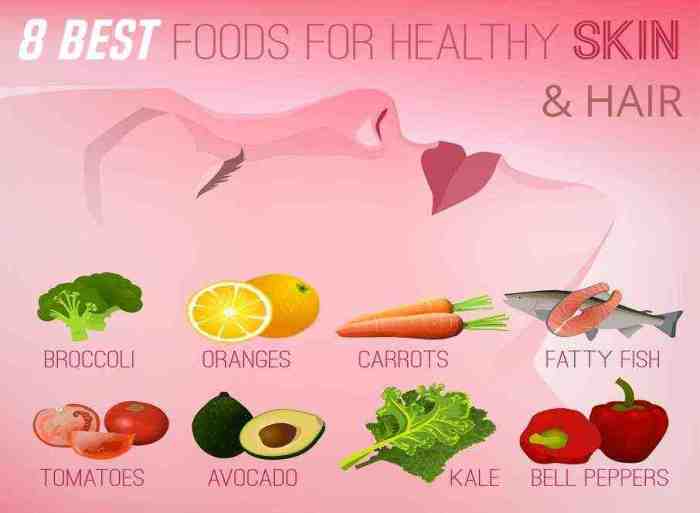
Benefits of a balanced diet for healthy skin and hair are undeniable. Dive into the world of nutrition and wellness as we explore the secrets to glowing skin and luscious hair.
From the importance of nutrient-rich foods to the impact of mental wellness and physical fitness, this guide will unveil the key to unlocking your skin and hair’s full potential.
Balanced Diet
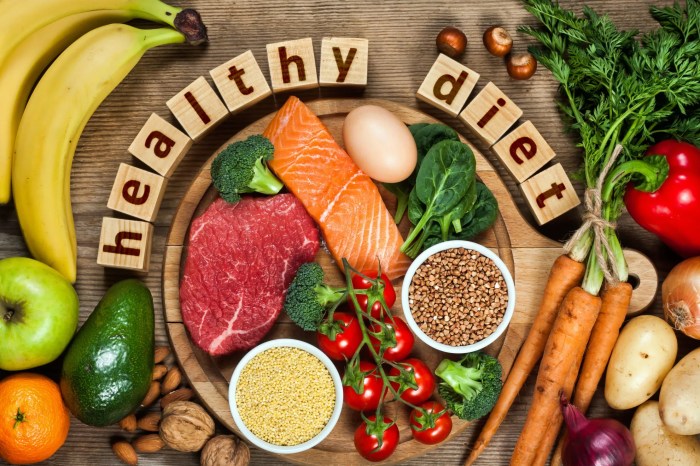
Eating a balanced diet is essential for maintaining healthy skin and hair. Nutrient-rich foods provide the necessary vitamins and minerals that support skin regeneration, collagen production, and hair growth.
Nutrient-Rich Foods for Skin and Hair
Include the following foods in your diet to promote healthy skin and hair:
- Fatty fish such as salmon, mackerel, and sardines are rich in omega-3 fatty acids, which help reduce inflammation and keep skin hydrated.
- Avocados are high in healthy fats and vitamin E, which protect the skin from sun damage and improve its elasticity.
- Sweet potatoes are a great source of beta-carotene, a precursor to vitamin A that promotes skin cell turnover and repair.
- Spinach is packed with antioxidants like vitamin C and E, which help fight free radicals and maintain youthful skin.
- Walnuts contain essential fatty acids that strengthen hair follicles and add shine to the hair.
Impact of an Imbalanced Diet
Consuming an imbalanced diet lacking essential nutrients can lead to skin conditions like acne, dryness, or premature aging. Similarly, hair loss and dullness may result from inadequate intake of vitamins and minerals crucial for hair health.
Mental Wellness
Maintaining good mental wellness is crucial for overall health, including the condition of our skin and hair. Our mental state can directly impact the health and appearance of our skin and hair.
Effects of Stress and Anxiety
Stress and anxiety can wreak havoc on our skin and hair. When we are stressed, our bodies release cortisol, a hormone that can lead to inflammation and breakouts on the skin. This can result in acne, eczema flare-ups, or even premature aging.
Additionally, stress can disrupt the hair growth cycle, leading to hair loss or thinning.
Benefits of Stress Management Techniques
Implementing stress management techniques such as meditation, exercise, deep breathing, or yoga can significantly improve the health of our skin and hair. By reducing stress levels, we can lower cortisol production, thus decreasing the likelihood of skin issues and hair problems.
Taking care of our mental wellness not only benefits our overall health but also enhances the appearance of our skin and hair.
Physical Fitness
Regular physical activity plays a significant role in maintaining healthy skin and hair. Exercise improves blood circulation, which helps deliver essential nutrients and oxygen to the skin and hair follicles. It also helps in flushing out toxins from the body, which can contribute to clearer skin and healthier hair.
Examples of Exercises for Healthy Skin and Hair
- Cardiovascular exercises like running, cycling, or swimming help increase blood flow, promoting a healthy glow in the skin and stimulating hair growth.
- Strength training exercises like weightlifting or bodyweight exercises can enhance skin elasticity and support hair strength.
- Yoga and Pilates improve flexibility, reduce stress, and promote relaxation, which can have a positive impact on skin conditions like acne and hair loss.
Benefits of Regular Physical Activity
Regular physical activity not only improves overall health but also has specific benefits for the skin and hair. It can help in reducing stress levels, which is crucial for preventing conditions like acne and hair thinning. Exercise also promotes better sleep patterns, leading to skin rejuvenation and stronger hair growth.
Additionally, sweating during workouts helps in clearing out pores and detoxifying the skin, resulting in a clearer complexion.
Adequate Hydration
Hydration plays a crucial role in maintaining the health of both skin and hair. Proper hydration is essential for skin elasticity and hair strength.
Importance of Hydration for Skin and Hair Health
Adequate hydration is vital for skin as it helps in maintaining its elasticity, preventing dryness, and promoting a healthy glow. Without enough water, the skin can become dry, flaky, and more prone to wrinkles. Similarly, hydration is essential for hair health as it helps in keeping the scalp moisturized, preventing dandruff, and improving overall hair quality.
Benefits of Drinking Enough Water
- Keeps skin hydrated and supple
- Promotes hair growth and strength
- Flushes out toxins from the body
- Improves skin complexion
Effects of Dehydration on Skin and Hair
Dehydration can have negative impacts on the health of skin and hair. When the body lacks water, the skin can appear dull, dry, and aged. Hair may become brittle, prone to breakage, and lose its shine. Dehydration can also lead to scalp issues like dandruff and hair loss, affecting overall hair health.
Regular Exercise
Regular exercise plays a vital role in promoting healthy skin and hair. Physical activity improves blood circulation, which helps deliver essential nutrients and oxygen to the skin and scalp, promoting overall health and vitality.
Exercises for Healthy Skin and Hair
Regular cardiovascular exercises such as running, cycling, or swimming can help improve blood flow to the skin and scalp, promoting a healthy glow and strong hair growth. Strength training exercises like weightlifting can also stimulate hair follicles and promote hair growth.
Impact of Sedentary Lifestyle
Living a sedentary lifestyle, characterized by little to no physical activity, can have negative effects on the skin and hair. Poor circulation due to lack of exercise can lead to dull skin, acne breakouts, and even hair loss. Additionally, the stress and anxiety that often accompany a sedentary lifestyle can contribute to skin issues like eczema and psoriasis, as well as premature hair loss.
Healthy Lifestyle
Adopting a healthy lifestyle is key to improving the health of your skin and hair. By making positive choices in your daily habits, you can see noticeable changes in the appearance and quality of your skin and hair over time.
Integrating Healthy Habits, Benefits of a balanced diet for healthy skin and hair
- Ensure you get enough sleep each night, as lack of sleep can lead to dull skin and hair.
- Reduce stress through activities like meditation or yoga, as stress can contribute to skin issues like acne and hair loss.
- Eat a diet rich in fruits, vegetables, lean proteins, and healthy fats to provide essential nutrients for skin and hair health.
- Avoid smoking and limit alcohol consumption, as these habits can negatively impact skin elasticity and hair growth.
- Protect your skin from the sun by using sunscreen daily to prevent premature aging and skin damage.
Long-Term Benefits
- Maintaining a healthy lifestyle not only improves the appearance of your skin and hair but also promotes overall well-being.
- Consistent healthy habits can lead to increased collagen production, resulting in firmer and more youthful-looking skin.
- Regular exercise improves blood circulation, delivering essential nutrients to the skin and promoting hair growth.
- A balanced diet and hydration support healthy cell turnover, resulting in clear skin and strong, shiny hair.
- By prioritizing a healthy lifestyle, you can enjoy long-term benefits of radiant skin, luscious hair, and a positive self-image.
Nutrient-Rich
Eating a diet rich in essential nutrients is crucial for maintaining healthy skin and hair. Nutrient-rich foods provide the necessary vitamins, minerals, and antioxidants that support skin elasticity, promote hair growth, and overall skin and hair health.
Essential Nutrients for Skin Elasticity and Hair Growth
Several key nutrients play a vital role in supporting skin elasticity and hair growth. Here are some essential nutrients to include in your diet:
- Protein: Helps in the production of collagen, a protein that gives skin its firmness and elasticity, and supports hair growth.
- Vitamin C: An antioxidant that aids in collagen production and protects the skin from damage caused by free radicals.
- Vitamin E: Protects the skin from oxidative stress and supports healthy hair growth.
- Omega-3 fatty acids: Essential for maintaining skin health, reducing inflammation, and promoting hair growth.
- Zinc: Supports skin health, helps in wound healing, and prevents hair loss.
Role of Vitamins, Minerals, and Antioxidants
Vitamins, minerals, and antioxidants are essential for maintaining healthy skin and hair. They help in repairing damaged skin cells, protecting against environmental stressors, and promoting overall skin and hair health.
Stress Management
Stress can have a significant impact on the health of our skin and hair. When we experience stress, our body releases cortisol, a hormone that can lead to inflammation, breakouts, and even premature aging of the skin. In terms of hair, stress can contribute to hair loss, thinning, and dullness.
Effective Stress Management Techniques
Managing stress is crucial for maintaining healthy skin and hair. Here are some effective techniques:
- Practice mindfulness and meditation to calm the mind and reduce stress levels.
- Engage in regular exercise to release endorphins, which can help combat stress.
- Ensure you get an adequate amount of sleep to allow your body to rest and recover.
- Try relaxation techniques such as deep breathing exercises or yoga to relax both the mind and body.
- Seek support from friends, family, or a professional counselor to talk about your stressors.
Connection Between Mental Stress and Skin/Hair Conditions
Mental stress can manifest physically on the skin and hair. The release of cortisol during times of stress can disrupt the skin’s barrier function, leading to increased sensitivity, dryness, and irritation. In the case of hair, stress can disrupt the hair growth cycle, leading to hair loss or breakage.
Preventive Care
Preventive care is essential for maintaining healthy skin and hair in the long run. By taking proactive measures early on, you can prevent a wide range of issues and ensure that your skin and hair remain radiant and vibrant.
Preventive Skincare Routines
Creating a consistent skincare routine is key to preventing skin problems. Make sure to cleanse, moisturize, and protect your skin from the sun daily. Additionally, exfoliating regularly can help remove dead skin cells and prevent clogged pores.
- Avoid touching your face frequently to prevent the spread of bacteria.
- Use products suitable for your skin type and avoid harsh chemicals that can cause irritation.
- Stay hydrated and eat a nutrient-rich diet to nourish your skin from the inside out.
Hair Care Practices for Prevention
When it comes to preventing hair problems, maintaining a healthy scalp is crucial. Regularly shampooing and conditioning your hair can help keep it clean and hydrated. Avoiding heat styling tools and using protective hairstyles can also prevent damage.
- Trim your hair regularly to get rid of split ends and promote healthy growth.
- Avoid over-washing your hair, as it can strip away natural oils and cause dryness.
- Protect your hair from environmental damage by wearing hats or scarves when exposed to the sun or harsh weather conditions.
Early Intervention for Skin and Hair
Early intervention plays a crucial role in preventing skin and hair problems from escalating. By addressing issues such as acne, dryness, or hair loss early on, you can avoid more serious concerns in the future.
- Consult a dermatologist or trichologist if you notice any persistent skin or hair issues.
- Follow a personalized skincare and hair care regimen recommended by experts to address specific concerns.
- Be consistent with your preventive care routine to maintain the health and vitality of your skin and hair.
Proper Nutrition
Proper nutrition plays a crucial role in maintaining healthy skin and hair. The food we consume provides essential nutrients that support skin hydration, hair strength, and overall health.
Hydration and Skin Health
- Eating water-rich foods like cucumbers, watermelon, and oranges can help keep the skin hydrated and glowing.
- Foods high in omega-3 fatty acids such as salmon, walnuts, and flaxseeds can also contribute to skin health by reducing inflammation and supporting cell membrane structure.
Hair Strength and Nutrition
- Protein-rich foods like eggs, lean meats, and legumes are essential for maintaining strong and healthy hair strands.
- Foods rich in vitamins A, C, and E such as sweet potatoes, citrus fruits, and almonds can promote hair growth and prevent hair loss.
Impact of Unhealthy Eating Habits
Unhealthy eating habits, such as consuming a diet high in processed foods, sugar, and unhealthy fats, can lead to skin conditions like acne, dullness, and premature aging. Similarly, a lack of essential nutrients in the diet can result in weak, brittle hair prone to breakage and hair loss.
Quality Sleep
Quality sleep plays a crucial role in maintaining healthy skin and hair. During sleep, the body repairs and rejuvenates itself, leading to glowing skin and strong, luscious hair. Lack of proper sleep can have detrimental effects on the skin’s elasticity and hair growth, causing dullness, dryness, and even hair loss.
Benefits of Quality Sleep for Skin and Hair Health
- Production of collagen and elastin, essential for skin elasticity and firmness.
- Cell regeneration and repair, resulting in a youthful complexion and healthy hair growth.
- Reduction of inflammation and oxidative stress, preventing skin aging and hair damage.
Tips for Improving Sleep Quality
- Establish a consistent sleep schedule to regulate your body’s internal clock.
- Create a relaxing bedtime routine to unwind and prepare your mind and body for rest.
- Avoid caffeine, heavy meals, and electronic devices before bedtime to promote better sleep quality.
Effects of Sleep Deprivation on Skin and Hair
- Increased production of cortisol, leading to skin inflammation and acne breakouts.
- Reduced blood flow to the skin, resulting in a dull complexion and dark under-eye circles.
- Imbalance in hormone levels, contributing to hair thinning and loss.
Cardio Health
Regular cardiovascular exercise plays a crucial role in maintaining overall health, including the condition of your skin and hair. This type of physical activity helps improve blood circulation, which is essential for skin rejuvenation and hair growth.
Benefits of Cardiovascular Exercises
Regular cardio workouts such as running, cycling, or swimming can lead to a natural skin glow by increasing blood flow to the skin’s surface. This improved circulation helps deliver essential nutrients and oxygen to skin cells, promoting a healthier complexion.
Additionally, cardio exercises can promote hair growth by ensuring that hair follicles receive an adequate blood supply, which is vital for strong and healthy hair.
- Cardiovascular exercises help flush out toxins from the body through sweat, which can contribute to clearer skin.
- Improved blood circulation from cardio workouts can also reduce the appearance of skin conditions such as acne and eczema.
- Regular aerobic activities stimulate the production of collagen, a protein essential for skin elasticity and firmness.
Immune Boost
A strong immune system plays a crucial role in maintaining healthy skin and hair. It helps to fight off infections, reduce inflammation, and promote overall well-being.
Immune-Boosting Foods for Skin Health and Hair Growth
Include these immune-boosting foods in your diet to support skin health and hair growth:
- Fruits rich in vitamin C, such as oranges, strawberries, and kiwi, help boost collagen production for skin elasticity and hair strength.
- Leafy green vegetables like spinach and kale provide antioxidants that protect skin cells from damage and support hair growth.
- Protein sources like lean meats, eggs, and legumes help repair skin tissues and promote healthy hair follicles.
- Healthy fats from avocados, nuts, and seeds nourish the skin and scalp, improving overall texture and shine.
Impact of a Compromised Immune System on Skin Conditions and Hair Quality
A compromised immune system can lead to various skin conditions like eczema, acne, and psoriasis, as well as hair problems such as excessive shedding and slow growth. Inflammation and oxidative stress caused by a weakened immune response can negatively affect the health and appearance of skin and hair.
Positive Mindset: Benefits Of A Balanced Diet For Healthy Skin And Hair
Maintaining a positive mindset plays a crucial role in promoting healthy skin and hair. The connection between mental well-being and physical appearance is undeniable, as our thoughts and emotions can directly impact the health of our skin and hair.
Impact of Positive Attitude
- A positive attitude can enhance skin radiance by reducing stress levels, which in turn helps to prevent breakouts and other skin issues.
- Optimism and positivity can contribute to hair strength and growth, as stress and negative emotions can lead to hair loss and damage.
- Positive thinking can improve overall health, leading to a radiant complexion and strong, shiny hair.
Mind-Skin/Hair Connection
- Research has shown that stress and negative emotions can trigger inflammatory responses in the body, leading to skin conditions like acne, eczema, and psoriasis.
- Positive emotions, on the other hand, can release endorphins and promote better blood circulation, resulting in healthier skin and hair.
- Practicing mindfulness, gratitude, and self-care can help maintain a positive mindset, contributing to glowing skin and luscious hair.
Clean Eating
Clean eating refers to consuming whole, minimally processed foods that are as close to their natural state as possible. This approach focuses on fresh fruits, vegetables, lean proteins, whole grains, and healthy fats while avoiding artificial ingredients, preservatives, and added sugars.
Clean eating plays a crucial role in promoting overall health, including benefits for skin and hair.
Principles of Clean Eating for Skin and Hair Health
- Increased Nutrient Intake: Clean eating ensures a higher intake of essential vitamins, minerals, and antioxidants that promote skin rejuvenation and hair growth.
- Hydration: Whole foods like fruits and vegetables have high water content, helping to keep the skin hydrated and maintain healthy hair.
- Reduced Inflammation: Processed foods and additives can trigger inflammation in the body, leading to skin conditions like acne and eczema, as well as impacting hair quality.
- Balanced Blood Sugar Levels: Clean eating helps stabilize blood sugar levels, which can prevent hormonal imbalances that may contribute to skin issues like acne.
Daily Activity
Regular physical activity plays a crucial role in maintaining healthy skin and hair. Exercise increases blood flow, which helps deliver essential nutrients to the skin and scalp, promoting overall health and appearance.
Importance of Daily Activity
Engaging in daily activities can improve skin elasticity and hair texture by promoting circulation and oxygen flow. This can result in a more radiant complexion and stronger, shinier hair.
Simple Activities for Skin and Hair Health
- Brisk walking or jogging: Increases blood flow and oxygen delivery to the skin.
- Yoga or Pilates: Improves flexibility and reduces stress levels, which can positively impact skin health.
- Strength training: Builds muscle tone, which can help support the structure of the skin.
Impact of Sedentary Lifestyle
A sedentary lifestyle, characterized by prolonged sitting or inactivity, can contribute to skin aging and hair loss. Lack of movement can lead to poor circulation, which may result in dull skin and weak hair follicles.
Holistic Health
When it comes to skin and hair care, holistic health focuses on treating the body as a whole rather than just addressing individual symptoms or concerns. This approach takes into account the interconnectedness of physical, mental, and emotional aspects in achieving optimal skin wellness and hair strength.
Holistic Practices for Skin and Hair
Holistic practices that promote overall skin wellness and hair strength include:
- Practicing mindfulness and relaxation techniques to reduce stress levels, which can have a direct impact on skin conditions like acne and hair loss.
- Eating a balanced diet rich in nutrients to support healthy skin and hair growth from the inside out.
- Engaging in regular physical activity to improve circulation and promote a healthy scalp and glowing skin.
- Getting an adequate amount of quality sleep to allow the body to repair and regenerate skin and hair cells.
Interconnectedness of Physical, Mental, and Emotional Aspects
The physical, mental, and emotional aspects are closely intertwined when it comes to skin and hair health. For example, high stress levels can lead to skin issues like eczema or psoriasis, while a lack of proper nutrition can result in brittle hair and dull skin.
By addressing these interconnected aspects through holistic practices, individuals can achieve overall well-being and healthier skin and hair.
Mindful Living
Mindful living involves being fully present and aware of your thoughts, feelings, and surroundings. This practice can have numerous benefits for both your skin and hair health.
Benefits of Mindful Living for Skin and Hair Health
Practicing mindfulness can reduce stress levels, which in turn can help improve skin radiance and hair quality. High stress levels can lead to skin issues such as acne, eczema, and premature aging, as well as hair problems like hair loss and dullness.
Mindfulness Techniques for Skin Radiance and Hair Quality
- Deep breathing exercises: Deep breathing can help calm the mind and reduce stress, leading to a healthier complexion and shinier hair.
- Body scan meditation: This technique involves focusing on different parts of the body, promoting relaxation and reducing tension that can affect skin and hair health.
- Visualization: Imagining a peaceful place or visualizing healthy skin and hair can have a positive impact on their actual condition.
Impact of Mindfulness on Stress Levels and Skin/Hair Condition
Mindfulness practices can lower cortisol levels, the stress hormone that can wreak havoc on skin and hair. By managing stress through mindfulness, you can achieve a clearer complexion, reduced inflammation, and stronger, shinier hair.
Emotional Balance
Maintaining emotional balance is crucial for achieving healthy skin and hair. Our emotions can directly impact our physical health, including the condition of our skin and hair. Stress, anxiety, and other negative emotions can manifest as skin issues like acne, eczema, or hair loss.
Therefore, it is essential to prioritize emotional well-being for overall health and beauty.
Ways to Maintain Emotional Equilibrium
- Practice mindfulness and meditation to reduce stress levels.
- Engage in regular physical exercise to release endorphins and improve mood.
- Seek support from friends, family, or a therapist to address emotional concerns.
- Engage in activities you enjoy to boost your mood and reduce anxiety.
- Get enough rest and prioritize self-care to recharge and rejuvenate your mind.
Link Between Emotional Stress and Skin/Hair Problems
Emotional stress can lead to hormonal imbalances, inflammation, and oxidative stress, all of which can negatively impact skin and hair health.
Emotional stress can trigger flare-ups of existing skin conditions or contribute to the development of new issues. Similarly, hair loss and dullness can be exacerbated by emotional turmoil. By addressing emotional stressors and finding healthy coping mechanisms, you can improve the condition of your skin and hair from the inside out.
Health Education
Health education plays a crucial role in promoting skin and hair wellness by providing individuals with the knowledge and skills needed to take care of their skin and hair effectively.
Benefits of Educating Oneself on Skincare and Hair Care Practices
- Empowers individuals to make informed decisions about their skincare routine and hair care products.
- Helps in identifying specific skin and hair issues and addressing them with suitable treatments.
- Promotes self-confidence and self-care by understanding the importance of proper skincare and hair care.
- Leads to healthier skin and hair, reducing the risk of common problems like acne, dryness, and breakage.
Importance of Staying Informed about Latest Trends and Research in Skin and Hair Health
- Allows individuals to adapt to new technologies and advancements in skincare and hair care products for better results.
- Helps in understanding the impact of environmental factors and lifestyle choices on skin and hair health.
- Enables individuals to differentiate between effective treatments and gimmicks in the beauty industry.
- Encourages a proactive approach to skincare and hair care, leading to long-term benefits.
Self-Care
Taking care of oneself plays a crucial role in maintaining healthy skin and hair. Self-care routines not only contribute to enhancing skin radiance but also help in strengthening hair. Neglecting self-care practices can have adverse effects on skin conditions and hair quality, highlighting the importance of incorporating self-care into daily routines.
Self-Care Practices for Skin and Hair Health
- Regular cleansing: Properly cleansing the skin and scalp helps remove impurities and excess oil, preventing breakouts and promoting healthier hair growth.
- Moisturizing: Hydrating the skin and hair with suitable moisturizers helps maintain their elasticity and prevents dryness and brittleness.
- Protecting from the sun: Using sunscreen for skin and wearing hats or scarves for hair protection can prevent damage from harmful UV rays.
- Eating a balanced diet: Consuming nutrient-rich foods supports skin and hair health from within, providing essential vitamins and minerals for their nourishment.
- Stress management: Practicing stress-relief techniques such as meditation or yoga can help reduce stress-related skin issues like acne and hair loss.
Consistent self-care practices can lead to a healthy glow, improved skin texture, and stronger, shinier hair.
Impact of Neglecting Self-Care
- Skin issues: Neglecting self-care can result in skin problems like acne, premature aging, and dullness due to the accumulation of dirt and oil.
- Hair damage: Lack of proper care can lead to hair breakage, split ends, and dryness, affecting overall hair health and appearance.
- Overall well-being: Ignoring self-care can also impact mental health, leading to increased stress levels that can further exacerbate skin and hair conditions.
Chronic Disease
Chronic diseases can significantly impact the health of our skin and hair. Conditions like diabetes, autoimmune disorders, and cardiovascular diseases can lead to various skin issues such as dryness, itchiness, and slow wound healing. Hair problems like excessive shedding, thinning, and dullness can also be exacerbated by chronic illnesses.
Preventive Measures for Individuals with Chronic Conditions
- Monitor blood sugar levels regularly if you have diabetes to prevent skin infections and slow healing.
- Consult with healthcare providers to adjust medications that may affect skin and hair health.
- Follow a balanced diet rich in vitamins and minerals to support skin and hair health.
- Stay hydrated and maintain proper skincare routines to combat dryness and irritation.
- Manage stress levels through relaxation techniques to minimize the impact on skin and hair.
Importance of Holistic Care
- Addressing the root cause of chronic diseases can help improve skin and hair conditions over time.
- Integrating mental wellness practices like meditation and counseling can aid in overall well-being.
- Regular exercise and physical activity can boost circulation and promote healthier skin and hair.
- Seeking support from dermatologists and trichologists for specialized care and treatment options.
- Embracing a holistic approach to health can lead to better management of skin and hair issues related to chronic diseases.
Summary
As we conclude our journey through the realms of skin and hair health, remember that a balanced diet is not just about what you eat but also about how you nourish your body from within. Embrace these insights and watch your skin and hair transform into a picture of vitality and beauty.
FAQ Compilation
Can an imbalanced diet really affect skin and hair conditions?
Yes, an imbalanced diet can lead to skin issues like acne and hair loss due to the lack of essential nutrients.
How does stress impact skin and hair health?
Stress can affect skin and hair condition negatively, leading to issues like dry skin and hair fall.
What role does hydration play in maintaining healthy skin and hair?
Proper hydration is crucial for skin elasticity and hair strength, as it keeps the skin and scalp nourished.
Why is preventive care important for skin and hair?
Preventive care routines can help in averting skin and hair problems in the future, ensuring long-term health.
How does quality sleep affect skin and hair condition?
Quality sleep is essential for skin rejuvenation and hair growth, as it allows the body to repair and regenerate cells.


